Partner
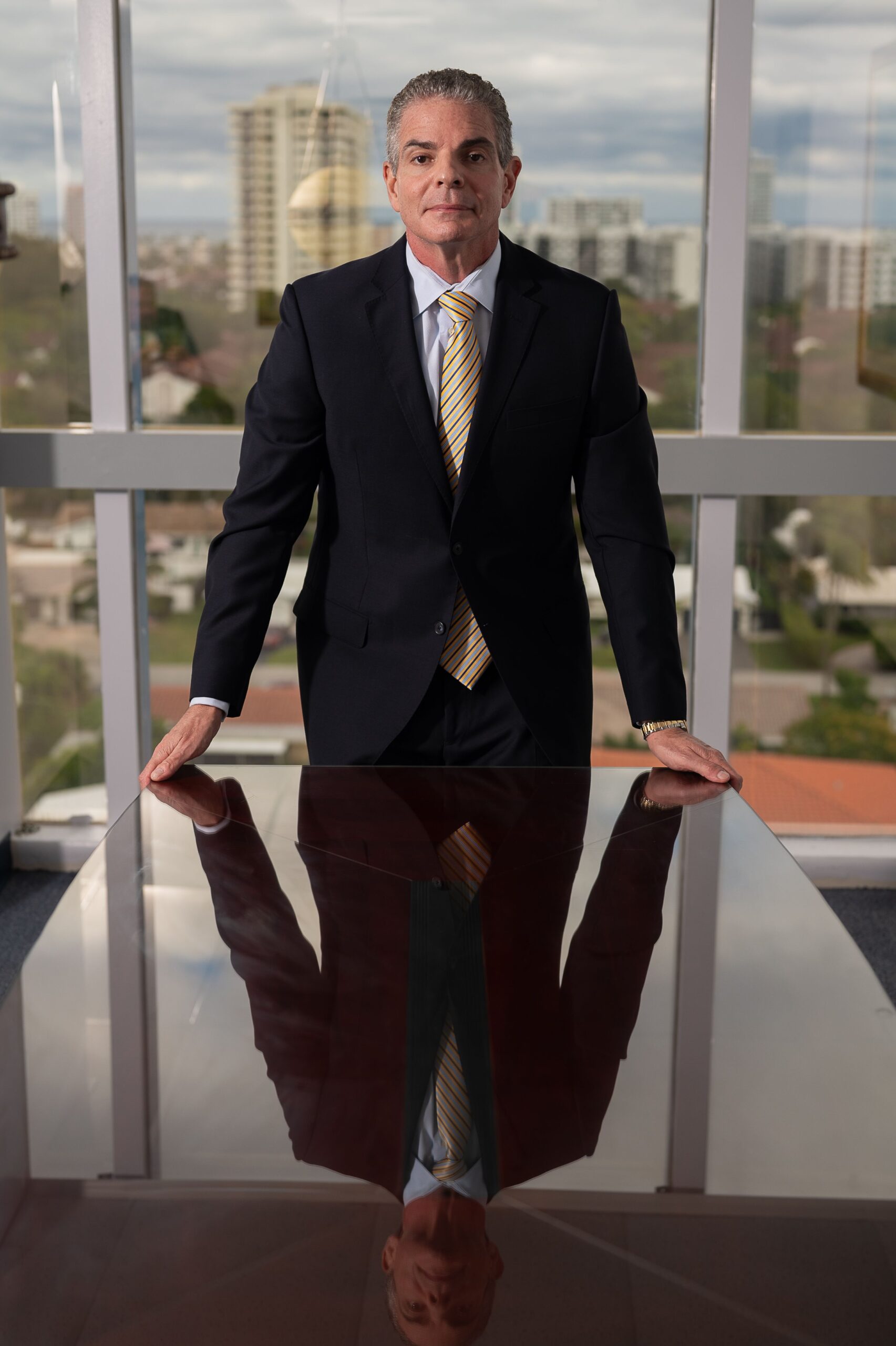
Mark J. Miller
Mark's biography describes work in insurance defense and prosecution before his plaintiff-side practice. That background informs the firm's evaluation of liability disputes and insurance positions.
Find out who was responsible for the place where you were hurt
An injury in a Miami building can lead to calls between a store, landlord, manager, and insurer, with no clear answer about who is at fault. Miller & Jacobs investigates unsafe-property claims. We look at the exact area, the duty owed, and how the hazard caused harm. We help you understand whose conduct needs review and what to preserve before accepting an offer.
The consultation is free. For an injury matter the firm accepts, no attorney fee is owed unless compensation is recovered. The written agreement explains fees and costs.
$300M+
Reported Recoveries for Injured Clients
50+ Years
Combined Legal Experience
230+
Combined Jury Trials Across Their Careers
Former Prosecutors
Experienced Trial Attorneys
The exact place matters
At a mixed-use building in Brickell or Downtown Miami, a restaurant, lobby, garage, and public sidewalk may involve different parties. Begin with where you stood and what happened there. The business name on your receipt may identify a tenant without identifying who maintained the area that caused the injury.
Keep the street address, floor, entrance, nearest business, and photos showing the route you took. Note whether the condition was inside a leased space, in a shared area, or outside. A precise location helps distinguish a private walkway from land that may be publicly controlled.
Were you shopping, visiting a resident, delivering an item, or working? Your reason for entering and any limits on access can affect the duty owed. Save an invitation, receipt, appointment notice, or delivery record where relevant. Do not assume every visitor has the same legal status.
The Miami-Dade property search can help identify recorded ownership. That is a starting point, not proof of day-to-day control. Leases, management agreements, maintenance contracts, and the parties' actual work may show who controlled the condition.
Different hazards need different proof
A premises claim must establish a duty, a failure to meet that duty, a link to the injury, and recoverable loss. Duties can concern reasonable maintenance, correction, or warnings, depending on the visitor and facts. Notice is important, but the rule for a spilled substance does not decide every property case.
For a fall on a spill or other temporary substance in a business, section 768.0755 requires proof that the business knew or should have known about the danger and should have acted. The business may be charged with knowledge if the condition lasted long enough to be found with reasonable care, or happened often enough to be foreseeable.
A loose handrail or damaged step may require evidence about design, installation, repair, and control. Preserve the description of what moved or failed. The responsible party and applicable duties need review; the occurrence of an injury alone does not prove a failure to maintain the area.
A criminal act on a property raises different questions about reasonable security, foreseeability, and causation. Our Miami negligent-security guidance addresses those claims. For a fall, the slip-and-fall page focuses more closely on the scene and notice evidence.

The disruption after an ordinary stop
Getting through the next workday can become the immediate concern.
A property injury may interrupt a shift, make stairs difficult, or leave you needing help at home. Tell your treating provider what has changed. Keep instructions and work restrictions so the record reflects the actual effect on your routine, not just the first bill.
Record missed hours, expenses, and help accurately. If a prior condition became worse, explain your earlier symptoms and what changed after this event. The claim needs evidence of the difference. Neither a business's size nor the seriousness of a diagnosis sets a fixed settlement value.
A record that can be checked
Obtain medical help first and gather details only when safe. A photograph of a hazard can be useful, but it may omit the approach, lighting, nearby warnings, or surrounding space. Preserve original files and write down what you remember without guessing about events you did not see.
Identify the time and area for any surveillance request. Inspection logs, earlier complaints, work orders, and contractor records may help explain knowledge or control. A lawyer can assess preservation requests. Knowing that a camera exists does not show what it recorded or how long footage remains available.
Ask for an incident number or a copy of any report provided to you. Note who took your account and retain witness contact details. If something in the report is wrong, preserve your own dated account. A report is evidence to compare with other records, not a final finding of fault.
Keep provider names, visit dates, bills, and follow-up recommendations. Tell clinicians how the incident occurred and when symptoms began. If you receive later care outside Miami, those records still need to connect to the same event and explain any change in function.
Talk through the property details
Call 954-465-8733 with the address, incident date, and what you know about the condition. Bring any photos or insurer letters you already have. We can discuss the missing details and next legal steps during a free consultation.
Our South Florida office is at 1600 S Federal Highway, Suite 1101, Pompano Beach, FL 33062. Call 954-465-8733 before visiting.
View Pompano Beach office directionsBefore a claim is closed
Our Miami personal injury overview explains the wider claims process. For an unsafe-property case, the review must also address control, the relevant duty, and any notice requirement. An insurer's explanation should be tested against the evidence.
Under Florida's comparative-fault statute, the claimant's share of fault reduces damages in covered negligence cases. A claimant more than 50% at fault cannot recover under the applicable rule. What you could see, any warnings, and your conduct all need review. An insurer's allegation does not settle the issue.
Many Florida negligence claims accruing after March 24, 2023 have a two-year filing period under section 95.11. Older claims, public defendants, and other legal theories need separate review. Government claims can require presuit notices. Reporting the injury or discussing payment does not itself file a lawsuit.
Before signing, check which parties and claims the release covers. Review treatment needs and any bills or benefits you may have to repay. An offer to pay one bill may require a much broader release. The facts, law, and insurance coverage shape the decision. No recovery is assured.
Miller & Jacobs
Mark J. Miller and Rick S. Jacobs serve Miami clients from Miller & Jacobs' Pompano Beach office. A consultation can focus on the property, the responsible parties, and the evidence needed to evaluate your claim.
Partner
Mark's biography describes work in insurance defense and prosecution before his plaintiff-side practice. That background informs the firm's evaluation of liability disputes and insurance positions.
Partner
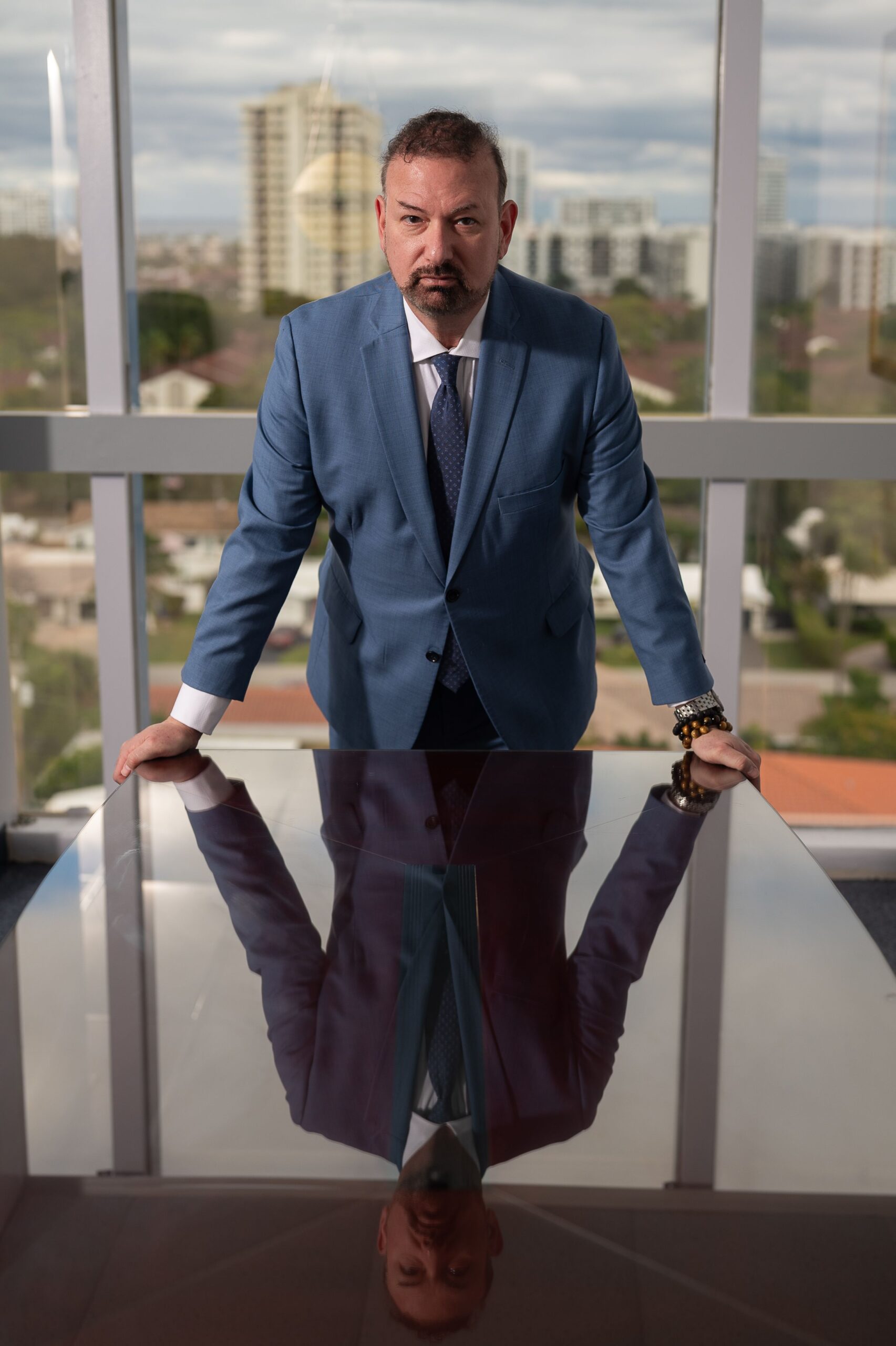
Rick's biography describes his service as an Assistant State Attorney in Miami-Dade County and his trial work. Read the published background for details of his professional experience.
Property questions
Potentially. Their control, duties, contracts, and conduct must be examined separately. A shared address does not make every party liable. Identify the exact spot and retain records showing which business or manager dealt with the condition.
Yes, if it concerns the relevant condition and reached a party whose knowledge matters. Keep the complete message, recipient, date, and any response. A general complaint about the building may be less useful than a documented report of the specific problem.
The timing may affect constructive knowledge. Actual knowledge, a recurring condition, and other evidence still deserve review. A fall does not itself prove that staff had enough time to discover a spill. Describe what you saw without estimating an unknown duration.
Not necessarily. First identify who owned or controlled the area and what caused the injury. A government defendant can bring notice, immunity, and other special rules into the case. An address alone does not resolve whether the sidewalk was publicly or privately controlled.
Give a truthful account of what you observed. You do not need to guess why the condition existed or agree to facts you do not know. Keep any report you receive and note inaccuracies while your memory is fresh.
Yes. Photos are useful, but witnesses, records, recordings, or repair history may also matter. Explain what evidence is missing and why. Call 954-465-8733 to discuss the incident rather than assuming that one missing item decides the claim.
Related guidance