
Serving Miami | Pompano Beach Office
Call 24/7: 954-465-8733

When the hardest changes are not visible

Miami Traumatic Brain Injury Lawyer

Miller & Jacobs helps Miami clients investigate traumatic brain injuries caused by another party's negligence. A person may leave the hospital yet struggle with concentration, memory, or ordinary routines. We connect the incident evidence with the medical record and documented changes at home and work, without treating an injury label as the whole story.

Free consultation. The written contingency-fee agreement explains attorney fees and costs. No attorney fee unless compensation is recovered.

$300M+

Reported Recoveries for Injured Clients

50+ Years

Combined Legal Experience

230+

Combined Jury Trials Across Their Careers

Former Prosecutors

Experienced Trial Attorneys

Health and a reliable account come first

You do not have to reconstruct missing memories to ask for help.

After a Miami crash, fall, or other impact, follow medical instructions and be honest about what you remember. The claim should distinguish personal recollection, witness information, and records. Uncertainty is something to investigate, not a gap you should fill with a guess.

Follow the treating team's instructions

Keep discharge instructions and ask your clinician about work, driving, travel, and follow-up. Those are medical decisions. A lawyer can help obtain records and explain a claim, but cannot clear you to resume an activity.

Record the source of each fact

A passenger may describe an impact you do not remember. Mark that information as the passenger's account. Keep their contact details and the original messages so the eventual timeline shows where the information came from.

Take changing symptoms seriously

Symptoms can appear immediately or emerge later. The CDC's symptom and danger-sign guidance explains when urgent care is needed. Seek emergency help for danger signs; a legal consultation is not a medical assessment.

Make the care history understandable

Separate the medical timeline from the insurance paperwork.

One Miami injury may produce emergency, specialist, therapy, and primary-care records. A dated list helps identify gaps and later changes. We evaluate the records together instead of assuming that an early discharge ends the medical inquiry or establishes the long-term outlook.

List where care occurred

Write down the providers, appointment dates, referrals, and tests you know about. You do not need every record before calling. If you received care outside Miami-Dade, include it so follow-up is not mistaken for an unrelated event.

Describe the actual work demands

Driving, screen time, lifting, customer contact, and safety-sensitive tasks place different demands on a person. Keep medical restrictions, leave records, and changes to hours or duties. Returning to a job does not necessarily mean every function has returned.

Keep expenses tied to their purpose

Save receipts and explain why an expense was incurred. Treatment travel, hired assistance, and ordinary household expenses are not interchangeable. We review which claimed losses are legally recoverable and supported rather than assume all spending will be reimbursed.

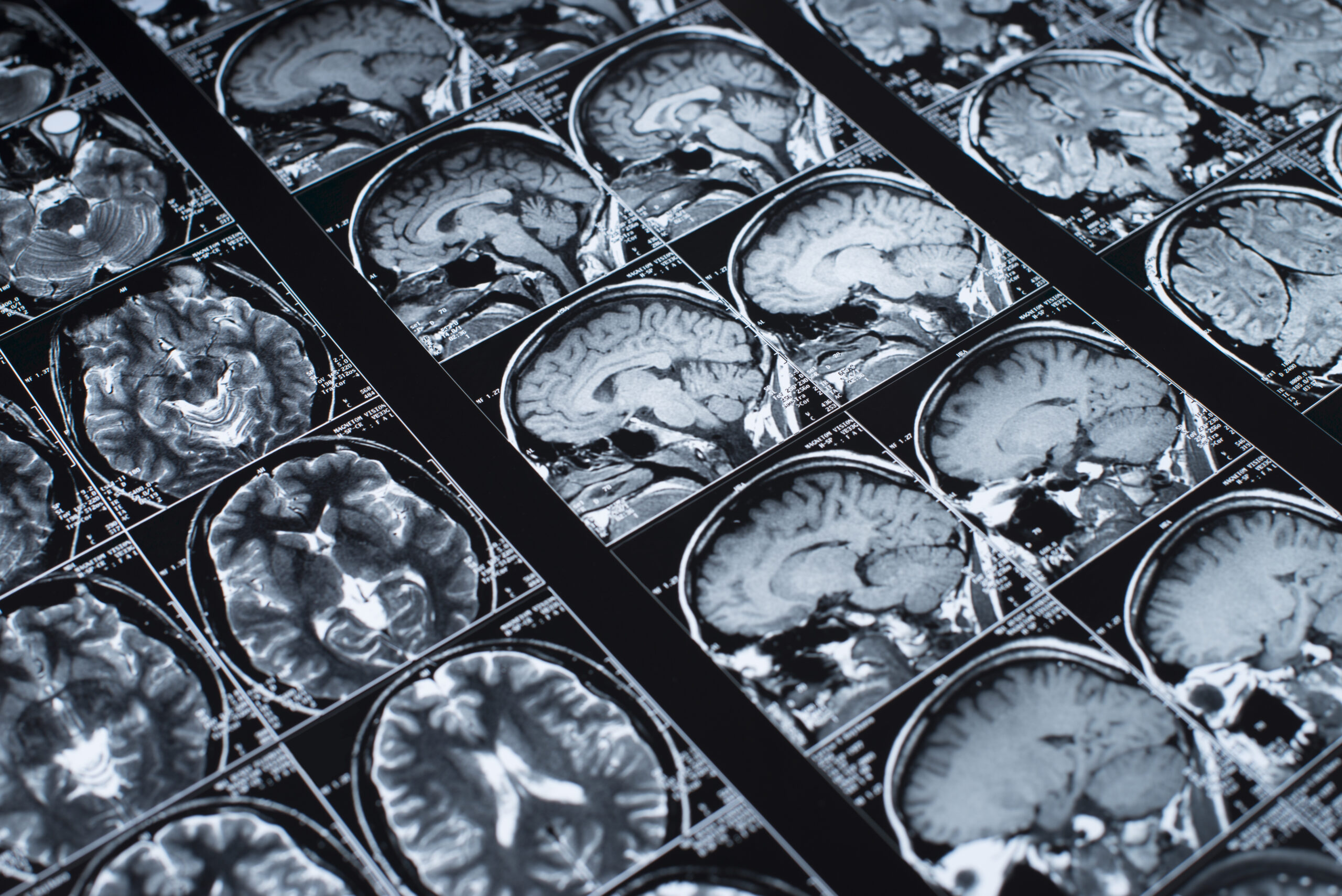
Brain scan images showing different views of the head and brain

The injury beyond the emergency visit

A familiar task can suddenly require someone else's help.

A missed appointment or unfinished work assignment may be the change a family notices first. Keep specific, dated observations without asking relatives to diagnose the injury. A shared provider list and question list can make conversations with the treating team and attorney easier to manage.

We can begin with the available facts and explain the next legal steps. Clinical decisions remain with qualified healthcare professionals, and no claim outcome is guaranteed.

Investigating the Miami incident

The injury record does not replace evidence of how it happened.

A collision, an unsafe floor, and a falling object involve different duties and proof. Identify the precise Miami-area location, responding agency or property operator, witnesses, and possible cameras. We assess preservation requests while the record of the incident can still be developed.

Crash evidence

Establish the collision sequence

Vehicle positions, damage, witnesses, and available recordings may help determine fault. A brain injury diagnosis establishes neither which driver caused a collision nor which insurance policy will respond. Those questions require their own review.
Property conditions

Identify the unsafe condition

For a property incident, describe what was present, where it was, and who may have controlled the area. A serious injury does not automatically prove a property owner's negligence. The applicable duty and evidence of the hazard matter.

Release review

Understand a proposed final release

An early offer may arrive before the future care picture is clear. We review what claims the release would end and how the demand accounts for supported needs. Neither a diagnosis nor a settlement in another case supplies a promised value.

Our Miami personal injury overview explains how responsibility, insurance, and documented harm fit together across different incident types.

A free consultation

Tell us what has changed and what is uncertain.

Call 954-465-8733 or send a message to arrange a free consultation. A trusted person can help organize the incident details and provider list. We will explain the information needed and how to share private records securely.

Our South Florida office is at 1600 S Federal Highway, Suite 1101, Pompano Beach, FL 33062. Call 954-465-8733 before visiting.

View Pompano Beach office directions

Looking beyond a label

A final claim should reflect supported needs, not assumptions.

The legal analysis brings together the cause, responsible parties, available coverage, and recoverable losses. Medical terminology alone cannot answer how the injury affects a particular person. We examine the documented function changes and what further evidence is needed.

01

Care supported by clinical evidence

Current treatment, prescribed rehabilitation, and medically supported future needs can be evaluated for the claim. Where the outlook remains uncertain, additional medical assessment may be necessary. A projected need should have an identifiable basis.

02

Specific changes at home and work

A relative's account of repeated questions or difficulty with a familiar task can help identify an issue for clinical review. It is not a substitute for diagnosis. Clear dates and concrete examples are more useful than broad labels about how someone seems different.

03

Deadlines checked independently of recovery

Many Florida negligence claims accruing after March 24, 2023 have a two-year filing period under section 95.11. Claim type, parties, event date, and exceptions matter. Continuing treatment does not automatically extend the lawsuit deadline.

Miller & Jacobs

Know who is handling the legal review.

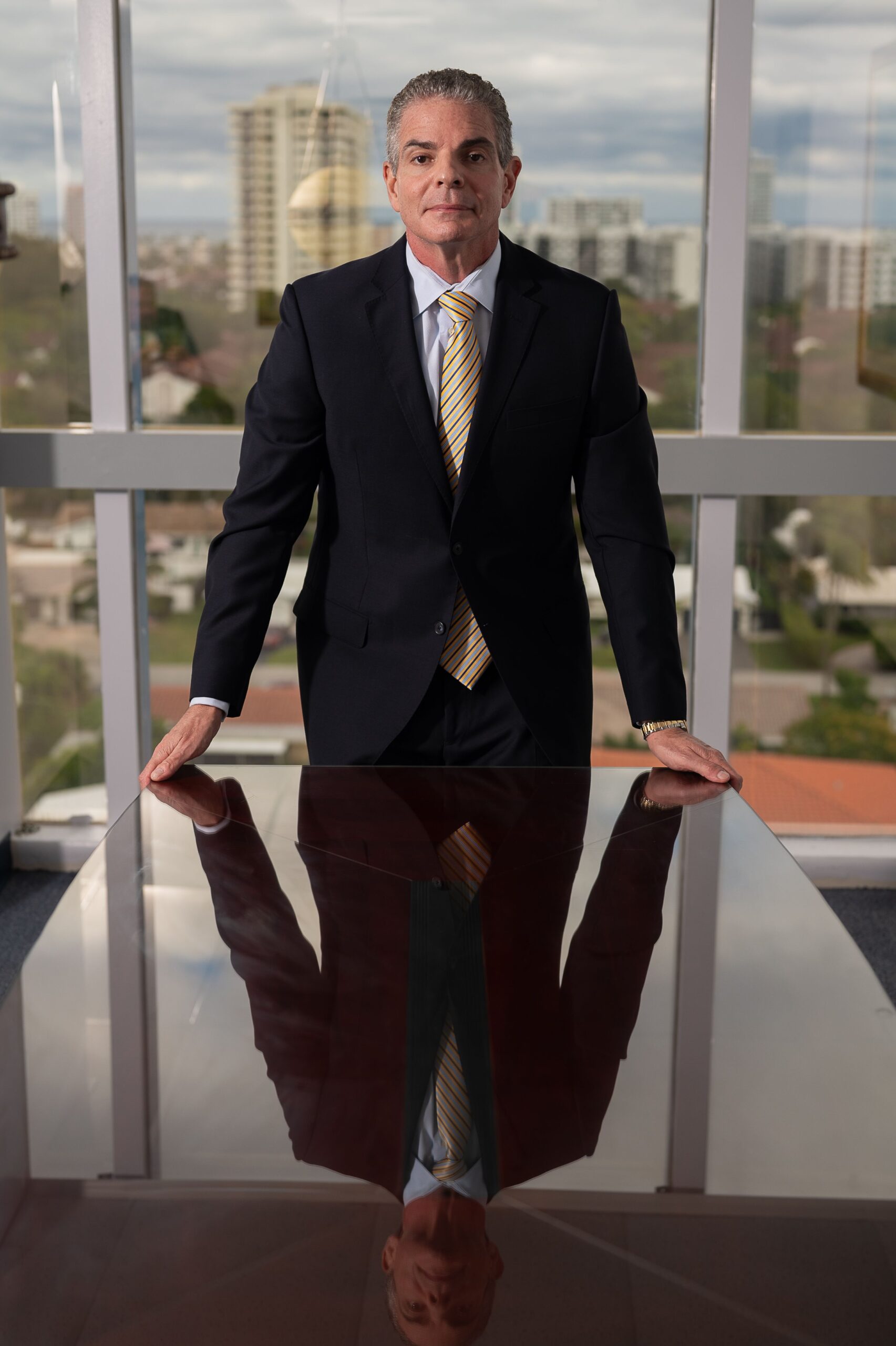
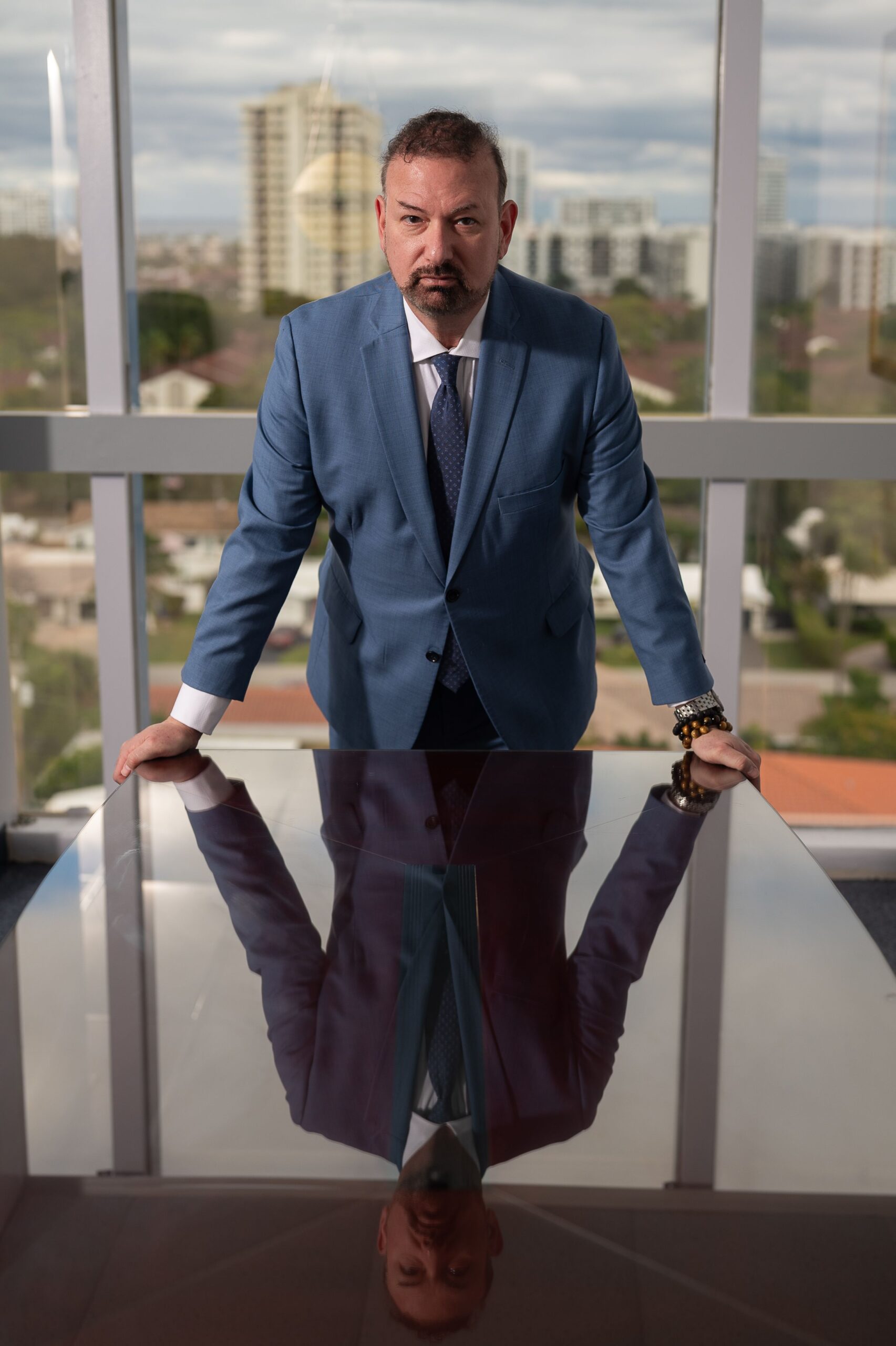
Partners Mark J. Miller and Rick S. Jacobs lead the firm's injury work. Miller & Jacobs serves Miami clients from its Pompano Beach office, not a claimed Miami office. The consultation can address responsibility for your matter and how updates will be provided.

Mark J. Miller, partner at Miller & Jacobs

Partner

Mark J. Miller

Mark's biography describes work in insurance defense and prosecution before his plaintiff-side practice. That background informs the firm's evaluation of liability disputes and insurance positions.

Read Mark’s biography →

Rick S. Jacobs, partner at Miller & Jacobs

Partner

Rick S. Jacobs

Rick's biography describes his service as an Assistant State Attorney in Miami-Dade County and his trial work. Read the published background for details of his professional experience.

Read Rick’s biography →

Your questions

Questions about a Miami brain injury claim

Can I call without remembering the entire incident?

Yes. Explain what you remember and identify what came from someone else. Available witnesses, records, and recordings may help establish the sequence. Do not invent details to make the account feel complete.

Does a scan decide whether I have a brain injury claim?

A clinician determines the diagnosis and need for testing. A legal claim separately requires review of the incident, responsibility, and supported losses. Do not interpret a scan result on your own or treat it as a complete legal answer.

Can changes after returning to work still matter?

They can. Keep restrictions, changes in hours or duties, and specific examples of difficulty. Medical and employment records help evaluate whether the changes relate to the injury; a return-to-work date does not answer every loss question.

Can someone in my family help with the consultation?

With appropriate permission, a trusted person can help organize records and describe their own observations. Their involvement does not automatically give them authority to sign agreements or make legal decisions for you.

Does opening a claim guarantee money for treatment now?

No. A pending claim does not guarantee immediate funding or a settlement. We can review the insurance documents and payment questions you have. Make medical and financial decisions with the appropriate professionals rather than rely on an assumed recovery.

What if my care took place at several facilities?

Start with a list of facilities and approximate dates, plus any discharge papers or referrals. We can identify the records needed and explain the authorization process. Do not send private medical records through an unsecured public channel.