Pembroke Pines | Leaving-the-Scene Defense
A driver can stop after a crash and still face a leaving-the-scene charge. What was given to the other driver? Was help needed? Was a report made? Miller & Jacobs reviews the duty the State says was left unfinished. We also check the proof of who drove and what that person knew.
This is criminal-defense information for the person accused. If someone needs emergency aid now, call 911. Do not delay required help or lawful reporting while seeking a consultation. We serve Pembroke Pines from Pompano Beach.
Find the action the State says was missing
Keep what was said, given, and requested
Test the allegation against its statute
An accepted matter has a responsible attorney
More Than a Brief Stop
The word “stopped” does not explain what happened next. Where did you stop? Who was there? Which details did you give? What did anyone ask you to do? Keep any form, note, message, or photo that helps show the exchange and aid.
Section 316.062 sets duties to give information and reasonable assistance after certain crashes. It calls for the driver’s name, address, and vehicle registration number. A license or permit must be shown if requested and available. The law says who must receive those details. That includes an officer at the scene or investigating the crash.
A violation of section 316.062 alone is a noncriminal traffic infraction. Sections 316.061 and 316.027 tie those duties to the requirement to remain at the scene, with criminal exposure for violating those provisions. Counsel must check the charged law; a missing detail does not automatically establish a criminal offense.
Florida information and assistance duties
A phone number or insurance card may help, but check each detail the law requires. Keep the actual paper or message. Tell counsel who got it. Was anything asked for but not supplied?
Reasonable assistance includes arranging a ride for medical care when treatment is clearly needed or the injured person asks for it. Explain any request or visible need. Who called for help? When did it arrive? Do not assume one step met every duty.
What if no one entitled to the details could receive them and no officer was there? Section 316.062 requires a report to police after the other duties are met as far as possible. Counsel must check who was there and the person’s condition.
Fault for causing a crash and the duties afterward are separate questions. Denying fault does not show that those duties were met. Tell counsel which part you dispute. Do not treat every crash issue as one argument.
When No One Was With the Property
An empty parked car or other unattended property raises a different rule. Section 316.063 requires an immediate stop. The driver must find and notify the owner or operator, or leave a written notice in a clearly visible place on the vehicle or property. The note must be secured. It must give the driver’s name, address, and vehicle registration number. The driver must also notify the nearest authorized police office without needless delay.
Florida unattended-property duties
For a past event, tell counsel what was written and where it was put. Was it secured? How did you notify police? Keep a photo of the note if one exists, the original message, and any call or incident number. Do not backdate a new note or change a call log to fill a gap.
Proof that you tried to reach someone may matter. What does it show about the details given, who got them, and when?
Sections 316.061 and 316.063 also address not blocking traffic more than needed. If a damaged vehicle blocks traffic, they require reasonable efforts to move it. That safety issue does not replace the required stop, exchange, and report. Follow lawful instructions. Do not drive an unsafe vehicle.
From an Account to Supporting Proof
You may deny that you drove, knew of a crash, or failed to take a required step. Those are different issues. Explain the point you dispute. Which records might test it? Say when your memory is unclear.
Keep the full text thread, exchange form, or photos. Who saw the exchange? A cropped screenshot may hide the date, who received it, or an earlier request.
Keep the call log and any case or incident number. A time entry can show that a call occurred without showing the conversation. Counsel can assess whether a recording or dispatch record is needed and who may hold it.
Describe who arrived, what help was requested, and what you did. Records from those who came to help may show the order of events. Do not assume someone else’s presence ends your duties.
Give counsel any specific identification problem. Registration, a plate image, and proof of who drove answer different questions. Preserve access and trip records without asking anyone to adopt a joint account.
For an injury or death charge under section 316.027, the jury instruction asks two distinct questions. Did the driver know of the crash? Did the driver know, or should they have known, of an injury? Explain what you saw, heard, and felt then. Keep facts learned later separate from what you knew at the scene.
Current Florida criminal jury instructions
Keep the vehicle and relevant files available for lawful review. Do not hide damage, delete messages, or pressure a witness. Tell counsel about urgent safety work, a rental return, or another necessary change so preservation can be addressed without creating a new problem.
Pembroke Pines Reports and the Broward Case
If Pembroke Pines Police handled the event, its Records Section is the source for city police reports and documents open to public access. The department asks requesters to identify what they need and include an incident number when available. A request for the general report may not identify the separate call, photograph, or recording you want counsel to examine.
Pembroke Pines Police Records Section
Keep the name of each agency that responded. The city may not have another agency’s file or every emergency recording. Tell counsel why a record matters, its likely time, and who may have it. The type of record and case status may affect access.
Provide any Broward court case number and current hearing notice as well as the police incident number. Criminal traffic and felony matters may follow different divisions. Use your assigned hearing instructions; a Pembroke Pines address does not tell you which building or courtroom to attend.
Broward traffic and misdemeanor information · Broward felony information
Ask whether you must personally attend the next hearing or whether an approved waiver applies. Keep following the current notice and release terms while a change is requested. A police-record request does not put a court deadline on hold.
Why the Filed Subsection Matters
The charge level can change with the harm alleged. Sections 316.061 and 316.063 contain misdemeanor provisions for property damage. Section 316.027 sets different felony levels for willful violations involving injury, serious bodily injury, and death. The lawyer must check the exact charge and proof before discussing a possible result.
Florida injury and death crash provisions
A later report may describe an injury not discussed at the scene. What do the medical records show? How is the injury linked to the crash? What knowledge must be proved? A small mark on a car or a later injury label does not settle those issues.
Section 316.027 includes serious sentencing and license consequences. The death provision includes a mandatory minimum with narrow departure rules. Ask which requirements apply to the filed subsection, including driving revocation, restitution, and any related count.
A court motion, more fact-finding, an offer, and a trial address different risks. Ask what each step would resolve. What would remain? A private repair payment or insurance result does not itself decide the criminal case.
The firm’s Florida criminal-defense practice addresses related allegations and the broader court process. Bring every notice from the event so no separate charge is overlooked. See the Pembroke Pines criminal defense guide for local records and related defense questions.
Responsibility and Scope
If Miller & Jacobs accepts your criminal-defense matter, Mr. Miller or Mr. Jacobs is the responsible attorney. Staff, investigators, or other professionals may assist. Ask which partner will review the proof, explain a new request, and advise you on key choices.
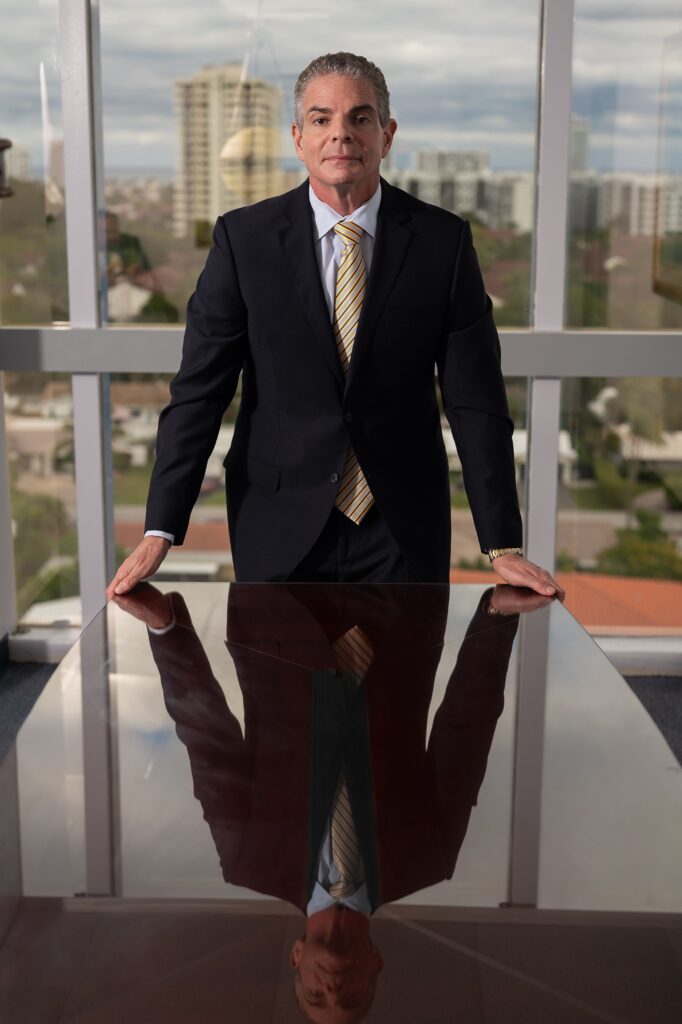
Partner
Mark’s published biography describes his prosecution, insurance-defense, and trial background. Discuss what the crash records show and which issue needs further work.
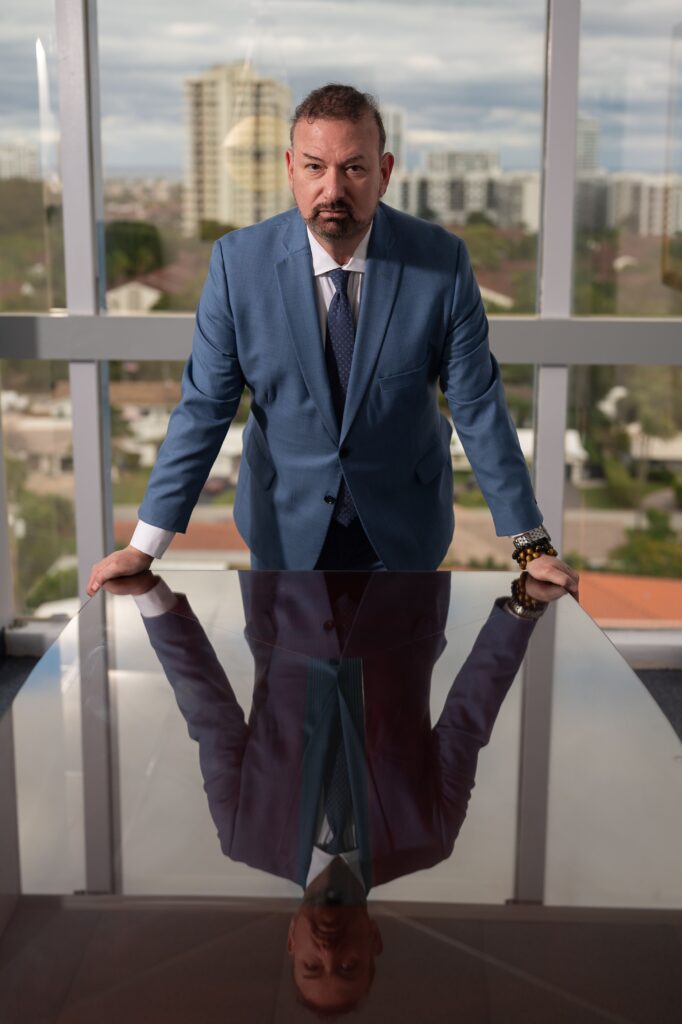
Partner
Rick’s biography describes his prosecution and trial background. Ask how the firm would assess the allegation and prepare for the next court or investigation step.
The first consultation is free. Before hiring the firm, confirm the work and fee. Ask about record or expert costs and how you approve added work. Does the agreement cover an inquiry before charges, the filed case, a license issue, or an insurance matter? Do not assume it covers all of them.
Questions About What Was Done
These are general explanations. The actual event, charge, records, and law need an individual review.
Pembroke Pines Clients | Pompano Beach Office
Call with the agency name, charge or request, and next date. You can start with the records you have. Explain any point you cannot confirm rather than trying to fill the gap before the consultation.
1600 S. Federal Highway, Suite 1101
Pompano Beach, FL 33062