
Emergency department entrance beneath a blue sky

When an injury changes the years ahead

Fort Lauderdale Catastrophic Injury Lawyer

A serious injury in Fort Lauderdale can interrupt far more than a visit or a workday.

Miller & Jacobs helps people with lasting impairments examine who was responsible, what care is needed, and which insurance or other sources may answer for the losses. You do not need a finished treatment plan to ask about preserving a claim.

Your consultation is free. No attorney fee is owed unless compensation is recovered for you. The written fee agreement explains fees and costs.

$300M+

Reported Recoveries for Injured Clients

50+ Years

Combined Legal Experience

230+

Combined Jury Trials Across Their Careers

Former Prosecutors

Experienced Trial Attorneys

Responsibility

A severe outcome still needs proof of fault.

Catastrophic injury describes the consequences of an injury; it does not establish negligence or identify every responsible party. We examine the event, the duty involved, and the evidence tying a particular act or omission to your harm.

Our Fort Lauderdale personal injury team can help you understand the wider claim process.

Vehicle and commercial activity

A crash involving a delivery vehicle or other commercial operation may require driver, employer, ownership, and insurance records. Company involvement does not automatically prove liability. The work being performed, permission to operate, and available evidence determine which claims deserve further investigation.
Property and equipment

A dangerous condition, defective product, or unsafe maintenance practice can raise different legal questions. Photographs alone may not show who controlled the area or changed the equipment. Contracts, service records, prior complaints, and the item itself can help identify a supported theory.

Disputed contribution

Florida's comparative-fault statute reduces recovery in covered negligence actions and can bar recovery when a claimant is more than 50% at fault. We evaluate the evidence behind that allegation, including whether the rule applies to the particular cause of action.

Care after discharge

Care instructions have to work in daily life.

A discharge summary can leave practical questions unanswered: whether stairs are manageable, who can help with transfers, and how follow-up appointments fit around work. Tell your clinicians about those difficulties and keep their recommendations. A legal claim should be informed by the life you are actually living.

What help is needed each day?

Keep instructions about supervision, personal care, medicines, transfers, and therapy. Ask who will teach family members any tasks they are expected to perform.

Can the person safely use the home?

Discuss stairs, bathrooms, entrances, and equipment with the clinical team. Save recommendations and estimates for changes linked to the injury.

How will follow-up care happen?

Keep referral details, appointment schedules, transport needs, and work restrictions together. Let providers know about barriers that could prevent attendance.

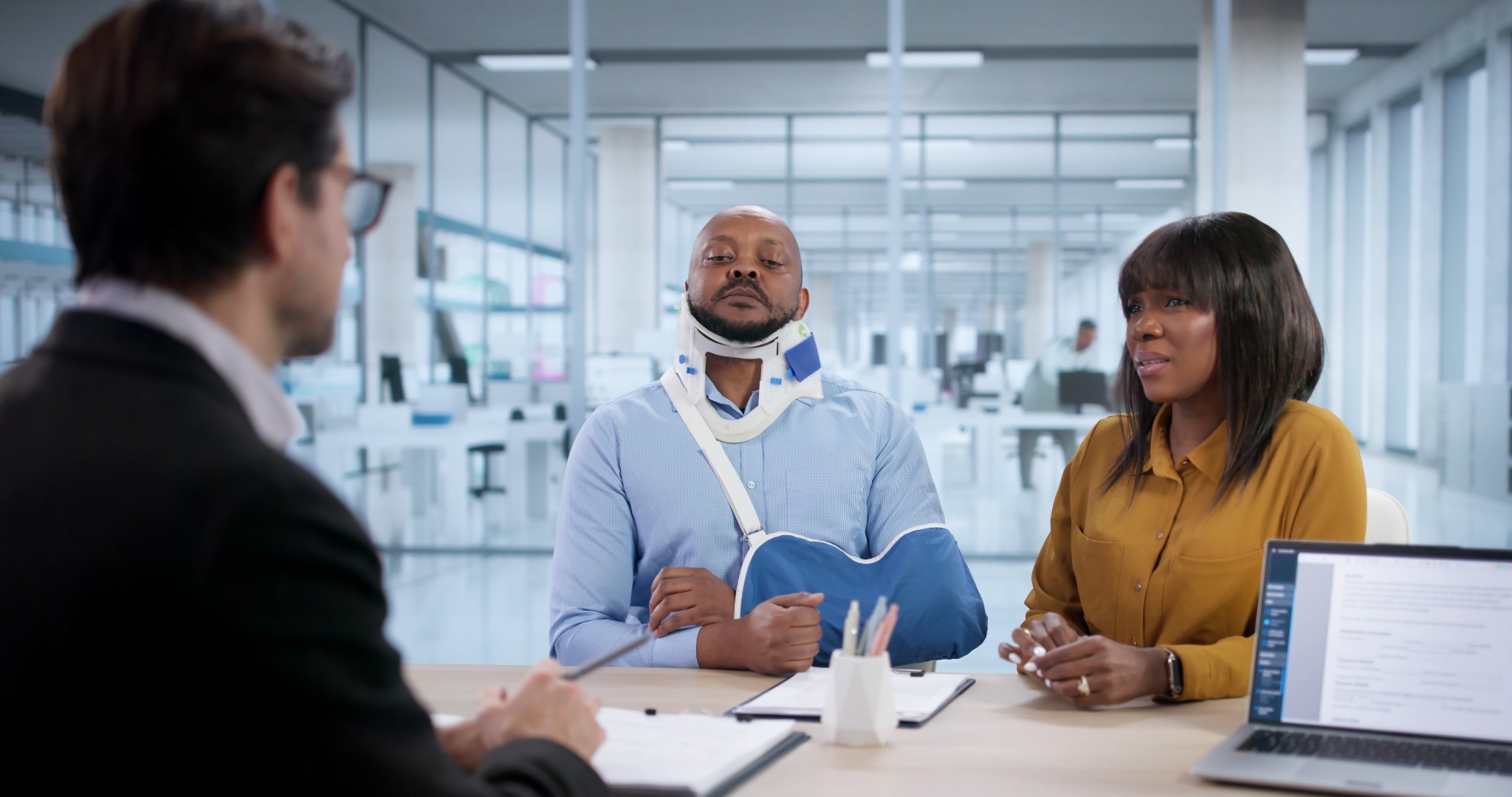
A man wearing a neck brace and arm sling sits beside a woman during a legal consultation

After the hospital

Going home may mean a different home routine.

If you return to another state after an injury in Fort Lauderdale, save contact details for every treating provider. Records from the first hospital and later rehabilitation need to explain one medical history. Travel does not, by itself, move the claim or extend its deadline.

Future needs

Measure the loss beyond today's invoices.

A settlement should be evaluated against supported long-term needs, not an arbitrary multiplier. Medical and financial specialists may be appropriate when the injury affects independent living, employment, or care over many years. Their work must rest on evidence specific to you.

Care and assistance

Treating recommendations can inform projections for rehabilitation, medical equipment, replacement intervals, home assistance, and modifications. A life-care plan is an expert assessment of supported needs and costs. It does not guarantee that every proposed item will be paid by an insurer or awarded.

Work and earning capacity

Missed wages and reduced future earning ability are different losses. Job duties, education, medical restrictions, and realistic alternatives matter. A person who returns to some work may still have a supported earning-capacity claim, but the effect must be shown rather than assumed.

Daily life and coverage

Pain, limitations, and loss of enjoyment require an individual account alongside the records. We also investigate applicable liability coverage and other potential sources. A high estimate of damages does not create coverage or establish that a defendant can pay that amount.

A relative’s help does not make the need disappear. Record the tasks, time, and provider recommendations. Whether that assistance supports recoverable damages depends on the evidence and applicable law.

The first decisions

Preserve the story while care continues.

Medical attention comes first. A family member can often help gather basic information while the injured person focuses on treatment. The goal is to keep evidence available without asking anyone to interrupt necessary care or revisit an unsafe scene.

Keep the original account

Save the incident number, photographs, witness contacts, and messages about what happened. Identify who has the vehicle, equipment, or other physical evidence. A lawyer can assess whether preservation notices are appropriate before recordings are overwritten or damaged items are discarded.

Connect the medical records

Keep the names of the emergency department, specialists, rehabilitation providers, and later treating doctors. Explain when symptoms began and how abilities changed. The record needs to connect the injury to the event, rather than rely on a diagnosis appearing in one document.

Review requests before signing

An insurer may request a recorded statement, broad medical authorization, or release. Understand the request and the consequences before agreeing. You can bring the documents to a consultation even if you do not yet know the likely recovery or the full treatment schedule.

Before you accept a payment for a lasting injury.

A release may close the claim while future needs are still uncertain. Call 954-465-8733 for a free consultation about the offer, missing evidence, and the next decision. The written fee agreement explains fees and costs.

Call 954-465-8733 →

When you are helping someone else

Making the first call is different from making decisions for a loved one.

You can contact us to explain the situation. If the injured person can make decisions, we work with them and include others with permission. Their voice remains central.

If they cannot make legal decisions

Tell us about any existing power of attorney or guardianship papers. We can review what authority exists and explain whether further legal steps are needed. A family relationship alone does not answer every authority question.

If someone asks you to sign

Keep the document and ask what it authorizes. The scope of a Florida power of attorney depends on its terms and the law. Do not assume permission to help with care also authorizes settlement of a claim.

What to bring to a consultation

Bring the incident date and location, provider names, insurance letters, and any offer or release. Missing documents should not stop an initial call. For the broader local process, see our Fort Lauderdale personal injury overview.

Timing and decisions

Keep the legal calendar separate from recovery.

Treatment may continue after a filing deadline approaches. We review the cause of the injury, the event date, and the parties involved before identifying the deadlines and steps that apply. Waiting for a final prognosis can put a claim at risk.

2 years, generally, for negligence

Which deadline governs?

Many current Florida negligence actions have a two-year limit under section 95.11. Other theories, government defendants, and specific circumstances can involve different rules or notices. The word catastrophic does not create its own universal filing period.

Read Florida’s limitations statute ↗
Next a decision based on the evidence

What happens after investigation?

The evidence and available coverage guide a demand, negotiation, or lawsuit when appropriate. Filing does not guarantee a trial or a particular payment. We can explain what remains uncertain, what further records are needed, and the practical tradeoffs of an offer.

Read Florida’s comparative-fault law ↗

More help for a specific injury

Several injuries may need one coordinated claim.

A person may be coping with more than one diagnosis. We consider how the injuries interact, while these guides explain issues that may matter for each type of harm.

Brain injury

Read about documenting symptoms, changes in daily function, and the need for support.

Spinal cord injury

Explore claims involving paralysis, mobility, personal assistance, and accessible living.

Severe burns

Learn about treatment, scarring, and the circumstances that can affect responsibility.

Limb loss, loss of sight, organ damage, and multiple severe injuries may also call for a review of lasting care and work needs.

Meet the partners

The partners serving Fort Lauderdale.

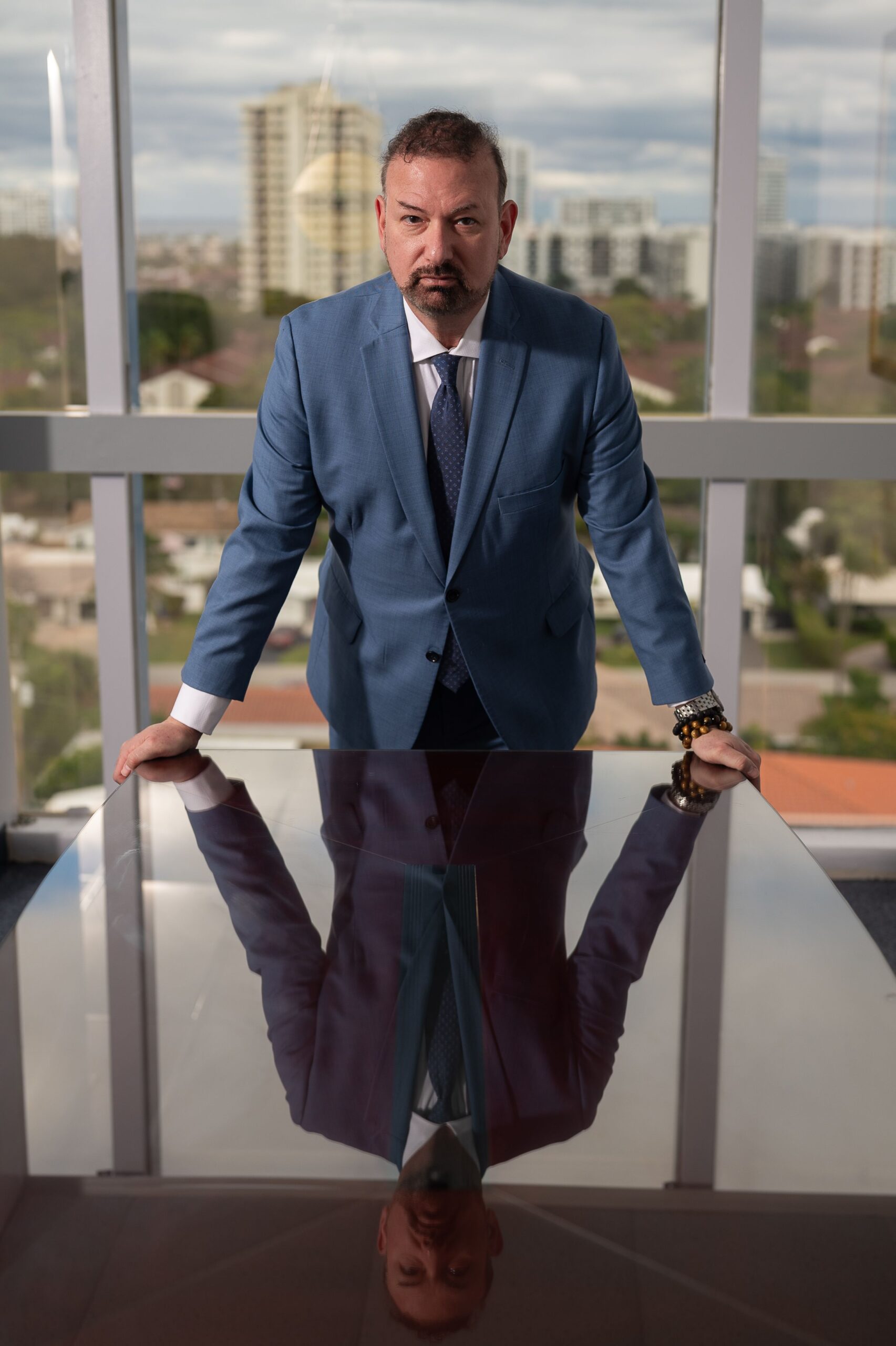
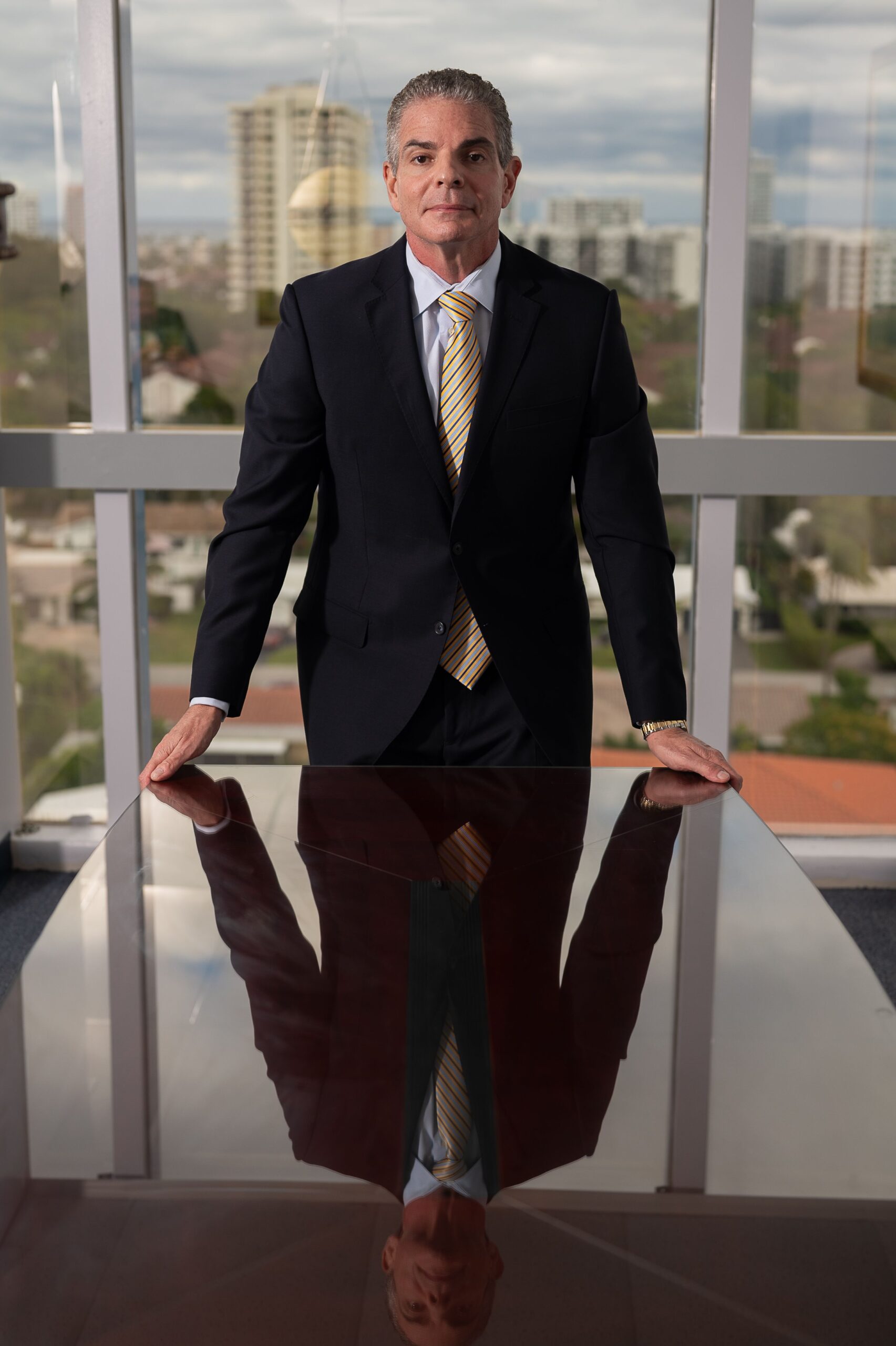
Partners Mark J. Miller and Rick S. Jacobs serve Fort Lauderdale clients from the firm's Pompano Beach office. Your consultation can address the evidence, the applicable claim, and the decisions ahead.

Mark J. Miller, partner at Miller & Jacobs

Partner

Mark J. Miller

Mark's biography describes work in insurance defense and prosecution before his plaintiff-side practice. That background informs the firm's evaluation of liability disputes and insurance positions.

Read Mark’s biography
Rick S. Jacobs, partner at Miller & Jacobs

Partner

Rick S. Jacobs

Rick's biography describes his service as an Assistant State Attorney in Miami-Dade County and his trial work. Read the published background for details of his professional experience.

Read Rick’s biography

Experience figures reflect the partners’ broader careers, not catastrophic-injury verdict counts. Past results do not guarantee a similar outcome.

Our South Florida office is at 1600 S Federal Highway, Suite 1101, Pompano Beach, FL 33062. Call 954-465-8733 before visiting.

View Pompano Beach office directions

Questions families ask

Fort Lauderdale catastrophic injury questions

Your questions may change as care progresses. These are starting points for a discussion about your circumstances.

What makes an injury catastrophic?

The term commonly describes an injury with lasting, substantial effects on health or daily function, such as serious brain injury, spinal damage, amputation, or extensive burns. The label alone does not prove liability. The diagnosis, prognosis, functional limitations, and cause of the event shape the claim.

Can I pursue a Fort Lauderdale claim if I live elsewhere?

Residence elsewhere does not automatically prevent a claim arising from an injury here. The event, defendants, jurisdiction, and applicable law matter. Keep the Florida incident documents and later treatment records. We can discuss whether the firm can help and how communication would work from another location.

Should I wait until rehabilitation ends before calling?

No. An initial consultation can address preservation, insurance requests, and deadlines while treatment continues. The final value may remain uncertain. Starting an investigation does not require promising a diagnosis, predicting the end of treatment, or accepting an early settlement.

Is a life-care plan required in every case?

No. It may be useful when supported future needs are substantial or disputed. The type of injury, prognosis, complexity of care, and evidence available determine whether that expert work is appropriate. A plan should identify the basis for its recommendations and avoid unsupported costs.

Does returning to work end an injury claim?

Returning to work does not by itself eliminate a claim. Reduced duties, hours, income, or advancement may remain relevant if supported by evidence. Keep employer records and medical restrictions, and explain what you can do now compared with before the event.

Where is Miller & Jacobs located?

The South Florida office is at 1600 S Federal Highway, Suite 1101, Pompano Beach, FL 33062. The firm serves Fort Lauderdale clients from that office. Call 954-465-8733 for a free consultation and to discuss the documents you already have.