After a drug arrest, you may want to explain a bag, a prescription, or a search right away. First, you need to know the filed charge, what evidence police have, and what your next court date requires.
Miller & Jacobs defends Fort Lauderdale drug cases from its Pompano Beach office. We check the records behind a possession, sale, or trafficking charge and explain what they mean for your defense.
Mark J. Miller and Rick S. Jacobs are partners and trial attorneys. An accepted criminal matter is led by one of them.
Keep the court notice, release order, and property receipt. Discuss the facts in private with counsel. Leave original messages and other possible evidence intact.
Prosecution & Defense Experience
Both partners have worked on each side of criminal cases.
Combined Career Jury Trials
Reported trials to verdict across both partners’ careers.
Serving Fort Lauderdale
Meet at the firm’s actual office on South Federal Highway.
Responsibility for Your Defense
Mr. Miller or Mr. Jacobs leads a case the firm accepts.
The arrest report, court notice, and property receipt each tell you something different. Find out what is pending and which records you still need. The Fort Lauderdale criminal defense overview explains release terms and court assignments.
Review the evidence questionsFind the case number, division, next date, and rules for appearing. The charge filed by the prosecutor may differ from the one listed at booking.
Keep the FLPD, BSO, or other agency report number. The agency that took an item may hold records you will not find in the court file.
Check for a lab report. A field-kit result may not be the final test. The substance and its weight each need review.
Testing, travel, reporting, or contact rules can affect your week. Ask counsel about a rule you do not understand before treating it as optional.

You may keep replaying who left the bag there, who borrowed the car, or why a label was missing. A private talk with counsel gives those details a place to be heard.
A photo may show cash next to a package. It may not show who used the space or when the items arrived. We look for the records that fill those gaps.
We compare the report with full recordings, search papers, lab records, and witness accounts. A mismatch needs legal review. It does not by itself make the charge go away.

Video and dispatch records can show when the stop began, how it changed, and what officers said before a search.
Check the warrant, claimed consent, or other legal basis for a search. Did it cover the place, items, and actions at issue?
Match item numbers, lab records, tests, and weights. Check which result belongs to which package or mixture.
A lease, room assignment, key, receipt, or witness may help explain who had access. Keep facts about other people who used the space. Do not guess about what they did.
A short message excerpt may leave out context. Keep the full thread, account details, and original files for counsel to assess.
In an alleged sale, check how a witness identified the person and what was recorded. Does that account match the video or surveillance?
Field result versus lab result: FDLE says a field kit may react to more than one substance. Its lab methods are more specific, and raw weights are kept in the case record. FDLE’s explanation of seized-drug testing explains the difference.
A drug charge may involve cocaine, cannabis, opioids, methamphetamine, or prescription drugs. Check the substance, the act alleged, and the law that applies. A broad label on a booking sheet does not tell the whole story.
Check where the item was found and what shows that the person knew it was there and had control over it. In a shared car or room, each person’s access and conduct matter.
An intent-to-sell charge needs a close look at the facts. A package or message should be read in context. The State must connect its evidence to you.
Check the recordings, witness accounts, and who handled the item. Compare the officer’s summary with the full video or other records.
Florida trafficking law can cover knowing possession at a set quantity even without a sale. The amount and required sentence vary by drug. The weight of a mixture may matter.
A valid prescription or other lawful right to have a drug can change the case. Keep the label, pharmacy details, and original records. Do not bring any seized or disputed substance to the office.
Tell us what officers took, what notice you received, and which decision comes next. The first conversation can identify what we need to review.
A Fort Lauderdale case may involve more than one agency and several sets of records. Keep the numbers for each file so we can track the right evidence.
An FLPD report number belongs to Fort Lauderdale Police. A BSO report or another agency’s file follows that agency’s records process.
Use the Broward Clerk docket to track filings and notices. It may not include police video or the full lab file.
The defense may need the sworn statement for a warrant, the warrant itself, any consent record, and the list of items taken. A recording of the search can also matter.
Trace when an item was collected, who held it, when it reached the lab, and what the tests found. Keep receipts that list evidence apart from other belongings.
Counsel can assess motions, trial, plea offers, and any treatment or diversion route you may qualify for. No path gives you an automatic result.
The Broward Central Courthouse is at 201 S.E. 6th Street in Fort Lauderdale. The Clerk lists felony services in the North Building. Follow your notice for the hearing location, division, and room. If the case also alleges impaired driving, the Fort Lauderdale DUI guidance explains the separate license process.
Broward’s Felony Drug Court offers treatment and court oversight to people who qualify. A first arrest alone does not mean you can enter. Check the charge, past record, treatment needs, and entry rules.
Court dates, counseling, and frequent tests can affect work and transport. Learn what the schedule will require before you agree.
Ask what you must admit or give up to enter, what happens if you complete the program, and what happens if you do not meet its rules.
Police may hold an item as evidence or seek to keep it through forfeiture. Those are separate issues. Resolving the charge does not mean you get everything back.
A plea may affect immigration status, a work license, or an existing probation case. Raise those issues before you accept an offer.
Read Broward’s Felony Drug Court information with counsel. Programs can follow different legal routes. You may also need advice from a lawyer who handles immigration or licensing issues.
The first consultation is free and confidential. Criminal-defense fees depend on the charges, evidence, motions, hearings, and trial work. Ask if a separate probation or property matter is included. The written agreement should state the work and fee before the firm takes the case.

Mark’s legal career includes prosecution, criminal defense, insurance defense, and more than 70 reported jury trials to verdict.
About Mark’s Legal Background
Rick’s career spans prosecution, criminal defense, and complex litigation, with more than 160 reported jury trials to verdict.
About Rick’s Legal BackgroundMr. Miller or Mr. Jacobs is responsible for a criminal matter the firm accepts. Discuss the scope before assuming that every related issue is covered.
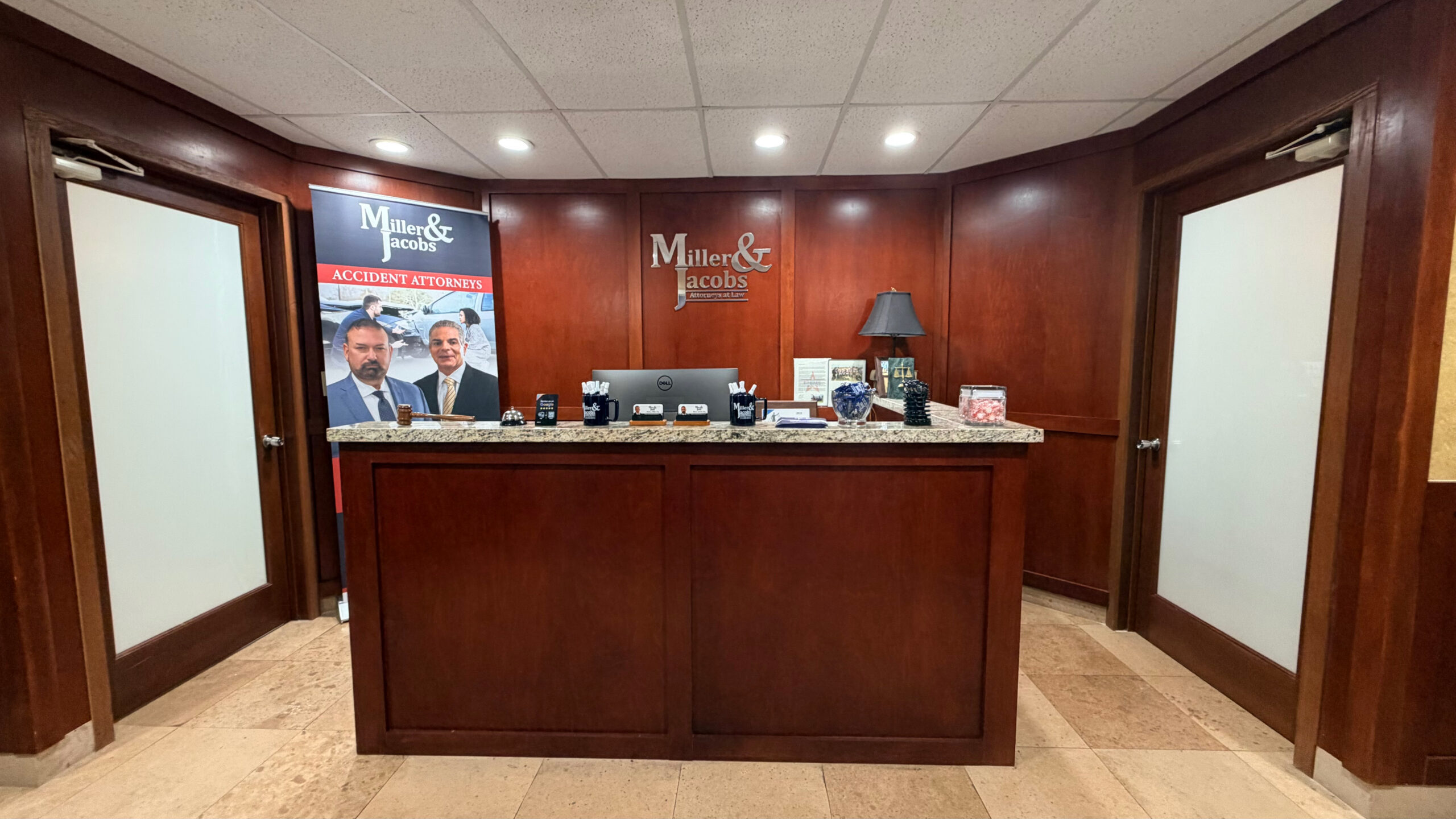
Miller & Jacobs is based at the address below, where in-person meetings take place. Tell the office if you are in custody, have a hearing soon, or need help finding the filed charge.
Start with a few clear documents. Keep the original files. Tell the attorney where the records leave gaps.
Send the newest notice and every page of the release order. Include a custody or booking number if the person is still held.
Keep the list of items taken, tow receipt, and search papers. Note the agency and report number on each.
Keep pharmacy and prescription records for the dates at issue. Bring records, not loose pills or disputed evidence.
Identify who used the car or room. Keep unedited messages and witness contact details for a private talk.
The filed charge and your current records matter. These answers explain common choices without predicting how a case will turn out.