A call about a crash can raise questions you cannot answer yet. You may not know when the incident was reported, what injury is alleged, or why police connected it to your car. Miller & Jacobs helps people facing Fort Lauderdale hit-and-run allegations sort out the evidence and plan a response.
Start by saving the notice, checking any court deadline, and preserving the vehicle and available records. A lawyer can review the request before you give a detailed account.
Free consultation. Mark Miller or Rick Jacobs handles an accepted case.
Serving Fort Lauderdale from our Pompano Beach office
Both partners previously served as Assistant State Attorneys
Firm-reported jury trials across both partners' careers
A partner handles each accepted matter
Your first useful step is to separate an immediate safety or legal obligation from an investigator's request to discuss a past event. If anyone may need urgent medical help, call 911. Follow lawful instructions and required reporting duties; a consultation should not delay emergency aid.
Photograph every page of a citation, notice to appear, bond order, or other court paper. Record the date and give counsel the complete document. Do not assume an investigator's callback will replace a court appearance.
Keep existing dashcam files, photos, receipts, messages, and the vehicle's condition. Tell counsel where nearby cameras may be located so preservation requests can be considered before recordings are overwritten.
Record the agency, investigator's name, case number, and what is being requested. Ask a lawyer about responding to questions or an inspection request. Do not guess, supply a false explanation, or interfere with lawful process.
Do not delete a message, alter a file, hide a vehicle, or ask anyone to agree on a story. An incomplete or uncomfortable record can still be important to a fair review.
Florida separates property-only leaving-the-scene offenses from cases involving injury or death. Read the statutory section and subsection on the citation or charging document. The ranges below are general maximums, not an estimate of your sentence; other sentencing provisions, costs, and restitution may apply.
Section 316.061 requires a stop and completion of the applicable information duties after a property-only crash involving an attended vehicle or other property. Moving out of traffic does not end those duties.
General maximum: 60 days in jail and a $500 fine.
Section 316.063 requires an immediate stop, identification to the owner or a securely placed written notice, and notification to police without unnecessary delay. Leaving a note alone does not complete every step.
General maximum: 60 days in jail and a $500 fine.
Under section 316.027(2)(a), a willful failure to stop and remain until the required information and reasonable assistance are provided is a third-degree felony.
General maximum: 5 years in prison and a $5,000 fine.
This legal category concerns a substantial risk of death, serious disfigurement, or prolonged loss or impairment of a bodily function. An injury label should be checked against the statutory definition and medical evidence.
General maximum: 15 years in prison and a $10,000 fine.
Section 316.027(2)(c) includes a four-year mandatory minimum. Its limited departure provision is unavailable when the violation was committed while driving under the influence.
General maximum: 30 years in prison and a $10,000 fine.
A conviction under section 316.027(2)(a), (b), or (c) brings at least a three-year license revocation and additional reinstatement requirements. Review these consequences along with any proposed court resolution.

You do not have to turn a confusing memory into a confident answer. Tell us what you remember, what you learned later, and what you cannot place. We can work through those differences with you.
A useful timeline identifies the source of each detail. Mark a time as approximate if it comes from memory, and keep the original file when a phone, camera, or receipt supplies it. You can begin a consultation with gaps still unresolved.
Preserve existing material without changing it. Do not repair, dispose of, or alter potential vehicle evidence before getting advice about lawful preservation and any necessary safety work.
Keep available work, parking, trip, rental, or vehicle-access records. Note who had permission to use the car without asking others to adopt your recollection.
Identify existing photos, dashcam files, nearby businesses or garages with cameras, and any witness contact information you already have. Do not trespass or contact witnesses to influence their account.
Preserve call logs, messages, towing information, and photographs showing the vehicle's condition. Keep the original dates and metadata where available.
Save each request with its date, sender, claim or case number, and deadline. Insurance cooperation requirements and a criminal investigation can raise different questions; have counsel review both before a recorded account.
Our Fort Lauderdale criminal defense team can compare the accusation with the original records. A useful review identifies what supports the charge, what conflicts, and what information is still missing.
Compare the reported crash time with original video, receipts, dispatch records, and vehicle access. Camera clocks and witness estimates may differ. Preserve those differences instead of editing records to make them agree.
A plate or registration can lead to an owner. It does not alone identify the driver. Images, witness descriptions, statements, access to keys, and other records may strengthen or contradict the identification.
The impact, lighting, sound, road conditions, and damage can matter to disputed knowledge. Counsel should assess the mental-state requirements of the exact charge rather than assume that every departure proves a willful violation.
Check for an information exchange, a nearby stop, a return, a call for assistance, or notice to police. The duties differ for attended property, unattended property, and an injury crash. Fault for causing the crash is a separate issue.
The medical evidence and its connection to the crash may affect the charge level. Counsel also examines how interviews, searches, and inspections occurred and whether the resulting evidence may be used.
Florida's crash-report law includes protections for certain reports and statements, with important exceptions. It does not make every conversation with police confidential. Counsel needs the recording, questions, warnings, and circumstances to assess a particular statement.
A criminal traffic misdemeanor generally proceeds in Broward County Court; a felony proceeds in Circuit Court. The Central Courthouse is at 201 S.E. 6th Street in Fort Lauderdale. Your notice controls the actual location, division, and appearance instructions.
An investigation number and a court case number serve different purposes. Give counsel both when available. A missing online entry does not mean that a notice or required appearance can be ignored.
After an arrest or notice to appear, identify the next required date and any conditions. Ask counsel what must be done personally and what counsel may handle. Keep contact information current.
The defense can review available reports, recordings, witness accounts, vehicle evidence, and medical material through the applicable process. Missing records may require follow-up or preservation requests.
A supported motion, negotiation, or trial preparation depends on the evidence and law. Ask how each proposed resolution would affect the criminal record, license, restitution, and any related charge.
The court outcome may leave separate license, payment, or compliance requirements. Obtain the disposition and confirm those obligations instead of relying on a verbal summary.
Mark J. Miller or Rick S. Jacobs handles each accepted matter. The responsible partner reviews the defense choices with you, while staff, investigators, or qualified experts may assist when appropriate.

Mark joined The Florida Bar in 1995 and previously worked as an Assistant State Attorney. His firm biography reports more than 70 jury trials.
Read Mark Miller's Bio →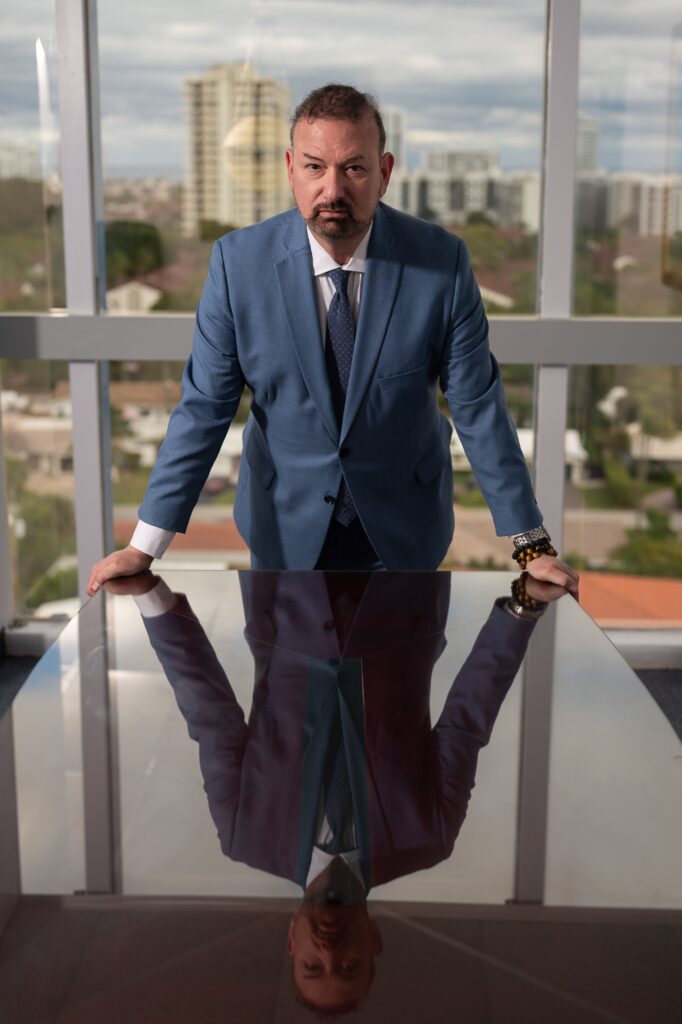
Rick has been a Florida Bar member since 1995 and served as an Assistant State Attorney in Miami-Dade County. His firm biography reports more than 160 jury trials.
Read Rick Jacobs's Bio →Tell us when contact arrived, whether you have court papers, and what needs a prompt decision. You can ask about the evidence review and the scope of representation during a free consultation. Any agreed fee and scope should be clear before work begins.
Miller & Jacobs serves Fort Lauderdale criminal-defense clients from its Pompano Beach office. Use the agency and case information on your own paperwork; the crash location alone does not identify every office involved.
Call 954-465-8733These general answers cannot determine the result of a particular case. The filed charge, evidence, and deadlines need an individual review.
A crash investigation may involve more than leaving the scene. These resources explain separate issues to raise when reviewing the papers.
