After a Hollywood confrontation, you may face a charge based on a threat, a touch, or a video that starts too late to show the whole event. Miller & Jacobs helps you check the charge and the evidence before you decide how to respond.
We defend people facing criminal charges. This page does not cover civil injury claims. Our Pompano Beach office serves Hollywood. Call with your charge, hearing notice, and any no-contact order. You do not need to investigate the event before you ask for help.
Your first consultation is free. Tell us about any police interview, court date, or order that needs prompt attention.
Start with what you know. List who was there, what you saw, and which records may exist. Say when you are unsure. Keep what you saw separate from what others told you later.
Hollywood & Broward
Check the charge against the latest court file
Complete Context
Find out what each witness saw and what the video missed
Partner Led
Know which partner will handle your case
Practical Decisions
Know what each option would and would not resolve
Read the charge and statute number first. A word like fight does not tell you what the State must prove. Ask which act is charged and what evidence supports each part of the charge.
Under Florida's assault law, the State must prove an intentional, unlawful threat and an apparent ability to carry it out. The act must create a well-founded fear of violence about to happen. No contact is required.
What was said or done? How close were the people? What made the threat seem immediate? Save the full exchange, not just one phrase.
Florida battery law covers intentional touching or striking against a person's will, or intentionally causing bodily harm. Unwanted contact can support a battery charge even without a visible injury.
Identify the claimed movement, who made it, and what the evidence shows about intent and consent. Accidental contact differs from a claim that force was lawful. Each needs its own review.
A weapon, injury, prior record, or another fact can change the charge. We need the exact count and the records behind it. A serious-looking photo alone does not prove every part of an aggravated charge.
Ask which fact makes the charge more serious and what proves it. We may need medical records, evidence about an object's use, or the final record from an earlier case.
A qualifying family or household relationship can bring domestic violence rules into the case. There may also be a separate court order. Tell us about the relationship and show us every current restriction.
A witness may sound sure. A camera may give a clear picture. Neither means you have the whole story.
Find out where each account or recording starts and ends. That helps more than arguing in public about who has the full story.
Florida's use-of-force law has different tests for deadly and nondeadly force. We review the threat, what you reasonably believed, and the force used. An earlier argument alone does not show that a later act was lawful.
Other rules address who first used or threatened force and whether anyone withdrew. We review the full sequence before advising on self-defense or immunity. Saying that the other person started it does not settle those questions.
Florida’s rules on defensive forceA business camera, phone, police video, or late-arriving witness may capture different parts of a Hollywood incident. Tell us who has each source and when it was made. Save records you lawfully hold. Do not enter another person's account or property to get more.
The Hollywood Police Records Unit handles its agency's reports. It directs requests for 911 audio to BSO Communications. Private video and court papers must come from their own sources.
Keep the full audio, messages, and attachments. A summary can leave out a reply, condition, or gesture. Tell us how the record was made and whether anything is missing.
Identify the camera, time stamp, and length of the clip. Another source may show what came before or after it. A gap calls for more checking, not a guess about who it helps.
Someone may hear an argument but miss the contact. A photo may show an injury but not its cause. We compare each source's timing and limits with the claim it is meant to prove.
Broward's county and circuit criminal courts handle different charges. A civil injunction can add another hearing. South Regional at 3550 Hollywood Boulevard does not hear every Hollywood case; many matters go to Fort Lauderdale. Follow the current notice for each case.
List rules about contact, places, and travel. Keep following them until the court approves a change.
Tell us who has videos, phones, or other records. Delay can make some evidence harder to save.
Check the filed charge, not just the first arrest report. A new or changed count needs a fresh review.
Ask what you would admit, what would stay open, and how a plea could affect probation or another order.
Work or living far away does not excuse a court date. Ask about your assigned hearing before you miss it.
Ask what the evidence supports, what is disputed, and what could change the advice. We also need to examine evidence against you. A clear review is more useful than a promise that one clip or mistake will end the case.
Before you agree to a plea, tell us about your professional license, job duties, immigration status, and any family court or probation case.
Give us the record holder's name and the relevant dates. Do not confront a witness or use an account you have no right to access.
A changed statement may matter. We check exactly what changed, why it matters, and whether it affects something the State must prove.
We review identity, intent, the alleged threat or contact, and any fact that raises the charge. Proof of one point does not prove them all.
Mistaken identity, accident, consent, and lawful force are different defenses. Tell us the true sequence so we can assess which position the evidence supports.
A motion, plea discussion, eligible program, or trial involves different work. Ask what each option could resolve, what it cannot do, and what duties would remain.
Ask who will handle your case, how you will discuss the evidence, and which hearings the fee covers. The scope and fee should be clear before the firm begins work.

Mark J. Miller is a partner at Miller & Jacobs. His biography outlines his background. Use your consultation to discuss the charge and the work your case needs.
Read Mark’s Biography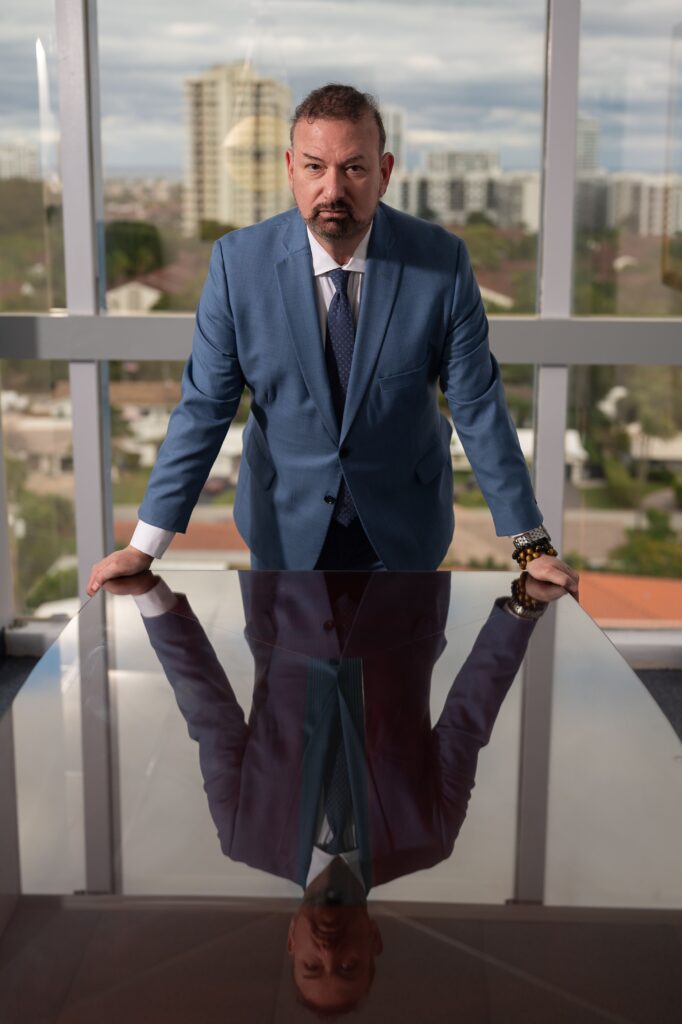
Rick S. Jacobs is a partner at Miller & Jacobs. Read his biography and bring your questions about the evidence, court restrictions, and next decision.
Read Rick’s BiographyYour first consultation is free. Have the charge, release order, and latest notice ready. Ask what the firm would do and what it would cost.
We serve Hollywood from our Pompano Beach office:
1600 S. Federal Highway, Suite 1101
Pompano Beach, FL 33062.
These answers explain common issues. We need the charge, full evidence, and current orders to advise you about your case.
A domestic violence charge, felony count, or probation issue may need separate work. Bring every case number and current order. Confirm which matters the firm will handle.
This page gives general information, not individual legal advice. The applicable law, evidence, and court orders determine the available options. Past results do not guarantee a similar outcome.