A drug accusation can put an offer, a treatment proposal, or a court date in front of you before you know what was tested. Miller & Jacobs helps people facing Hollywood drug charges understand the evidence and the choices ahead. Do not judge the case from the substance name on a booking sheet alone.
We serve Hollywood and Broward County from our Pompano Beach office. Call with the charge, the next notice, and any search or property papers. A free initial consultation can identify the immediate questions without requiring you to assemble the whole case first.
The firm reports more than 230 combined career jury trials to verdict. Discuss the evidence and the scope of representation with the firm before deciding how to proceed.
Keep documents and electronic files intact. Do not transport suspected drugs to the office or contact others to create a shared account of the search.
Both Partners
Meet Mark J. Miller and Rick S. Jacobs.
Combined Jury Trials
Firm-reported trials to verdict across the partners’ careers.
Serving Hollywood
Meetings are arranged through the Pompano Beach office.
Mark Miller or Rick Jacobs
Clarify the partner responsible for the accepted matter.
You may need to confirm a hearing, comply with release terms, or respond to a proposed resolution. Identify that immediate decision first. Then match it to the evidence still needed. The Hollywood criminal defense guide explains the local path from agency paperwork to a Broward court case.
Review the Evidence QuestionsA criminal charge is not resolved by paying an ordinary traffic ticket. Keep the case number, division, notice, and release order together. Ask about a work or travel conflict before the scheduled appearance, not after it is missed.
Tell counsel whether officers presented a warrant, asked for consent, or described another reason to search. Preserve the papers you received. Your lawyer needs the actual sequence, including anything you said or signed.
A report may refer to a field indication while further testing is pending. Match the item, location, exhibit number, and any laboratory finding. Do not assume a broad description proves the identity or quantity of every object seized.
Review any ordered testing, treatment, check-ins, or travel restrictions. If work, transportation, or caregiving creates a problem, raise it promptly. A pending request for relief does not suspend the existing condition.

An arrest label cannot explain every person’s access to a car, a room, an account, or a package.
In a shared Hollywood residence or vehicle, the useful question is not simply who was nearby. Counsel needs to identify what evidence connects each person to each item. Access, statements, observations, and handling records may point in different directions.
Describe the facts accurately, including details that may be unfavorable. A defensible legal issue comes from the record and the governing law, not a preferred explanation supplied after the fact.

Write down how the contact began and who was present. Compare that account with the available recordings. The reason for a stop or detention may be different from the reason later asserted for a search.
A warrant, consent, and another claimed exception are not interchangeable. Counsel should compare the authority asserted with the places searched and actions taken.
Trace the object from collection through submission and testing. Ask whether descriptions and identifiers match. A discrepancy needs an explanation before anyone assumes it proves contamination or defeats the case.
Identify regular users, keys, storage arrangements, and personal belongings. Give counsel facts within your knowledge, rather than accusations about a roommate or passenger that you cannot support.
Full conversations may explain a phrase, date, or account name. Preserve attachments and surrounding messages. Do not delete difficult exchanges or contact another person to improve the record.
For an alleged sale or delivery, identify who observed the act and how the person was identified. A witness description, surveillance image, and inference from a phone account may raise different questions.
Keep identification and measurement separate. Knowing what a substance is does not by itself establish which item was tested or the quantity relevant to a charge. Those connections belong in the evidence review.
Start with the filed count and subsection. The substance, amount, alleged conduct, and location can affect the charge. A complete assessment explains what must be proved for your count and which evidence supports it, rather than attaching one penalty to every drug case.
A drug found on a person presents different factual questions from an item in a shared area. Counsel should examine the evidence of awareness and control, including access and statements. Neither closeness nor shared access decides the whole case alone.
Packaging, communications, money, and other circumstances may be offered to support intent. Review the complete context and any other explanations. One item should not be treated as a substitute for the required proof.
A transaction allegation may turn on observations, recordings, or an identification procedure. The defense should identify the alleged act, who saw it, and what the record shows about the person accused.
Under Florida’s trafficking statute, knowing possession of a qualifying quantity can be enough without a sale. Substance-specific categories and mixtures matter. Counsel must check the actual subsection before discussing exposure or any mandatory minimum.
If lawful prescribing is relevant, keep the pharmacy, patient, prescriber, and date information. Explain how the seized item relates to those records. Bring the documents, not pills or other disputed substances.
Tell us whether the immediate issue is a hearing, custody, release testing, or an offer. We can begin with the available papers and identify what is still needed.
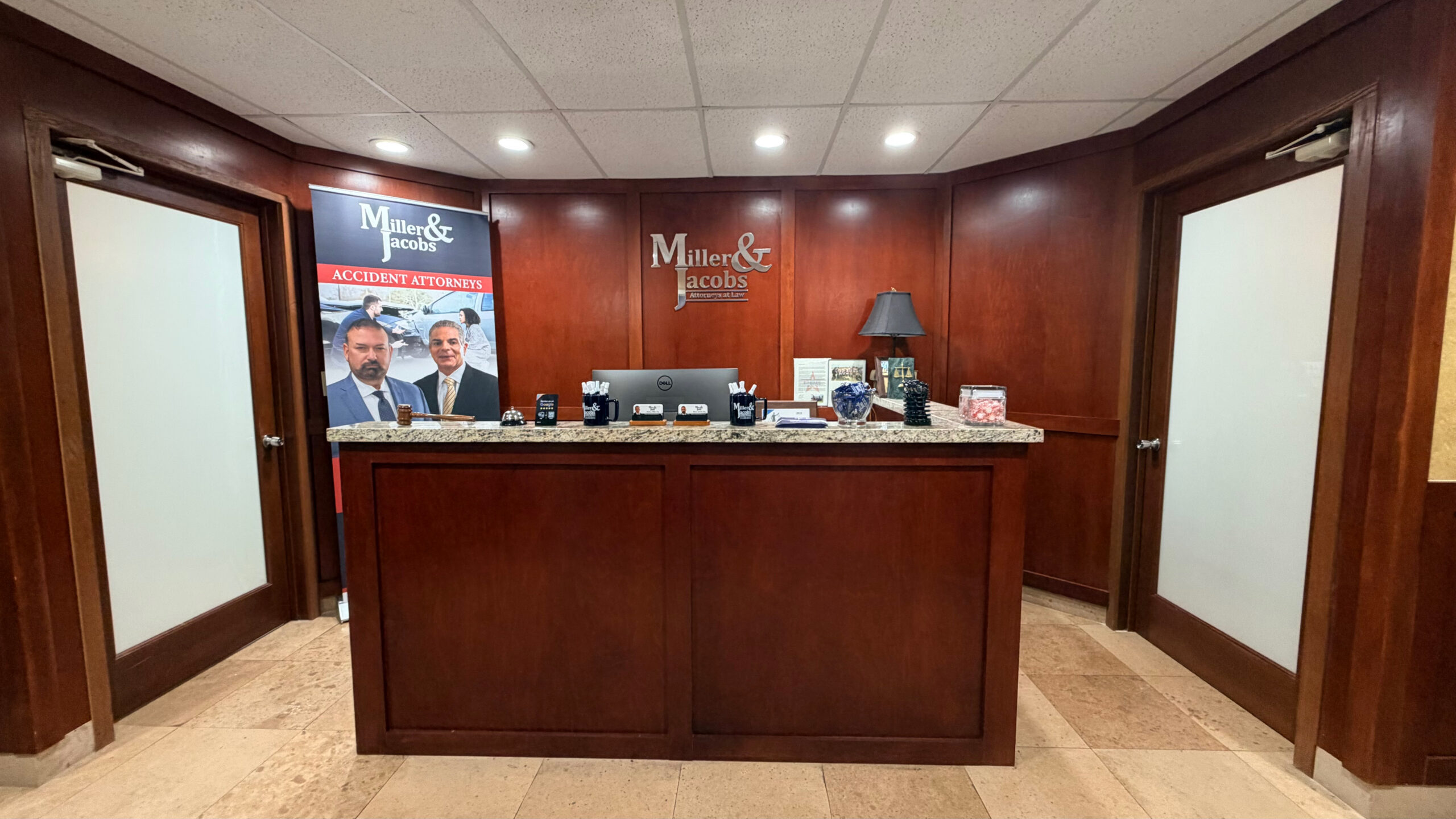
The Pompano Beach office is the firm’s meeting location for Hollywood clients. If a person is in custody or a court date is close, say so when calling. Use the assigned notice for court directions.
A Hollywood Police incident number, BSO booking entry, Broward court case, and laboratory exhibit number serve different purposes. Keep their relationship clear. A short court docket does not establish that the agency has no additional evidence.
The Hollywood Police Records Unit is a source for its agency reports. If another department investigated, use that department’s identifiers. Hollywood Police directs 911 audio requests separately to BSO Communications.
The Broward Clerk maintains the court proceeding. Compare the filed charge and current notice with the initial booking description. Tell counsel if the wording, number of counts, or degree has changed.
BSO custody information can help establish booking status. It does not replace the search papers, inventory, or discovery. Ask which source answers the actual question before relying on a single online result.
Keep photographs, property receipts, exhibit labels, and available testing documents. Note missing identifiers or conflicting descriptions so counsel can investigate them.
The evidence may inform a motion, negotiations, trial preparation, or screening for an available program. Discuss what each option requires and which pending counts it would address.
Hollywood’s South Regional Courthouse is not the venue for every drug case. Many criminal matters proceed at Broward’s Central Courthouse in Fort Lauderdale; confirm the assigned notice. If impaired driving is also alleged, the Hollywood DUI page explains the separate license question.
Broward offers diversion paths with distinct screening and supervision. Its State Attorney describes misdemeanor diversion supervised by BSO Probation and felony pretrial intervention operated by Florida DOC. A first arrest does not guarantee admission. Counsel should assess the particular charge, history, and proposed requirements.
Ask about reporting, treatment, testing, transportation, and court attendance. Identify a realistic barrier before entering. A program is not simply a promise that the case will go away.
Read what participation requires, which result follows successful completion, and what noncompliance could mean. Do not assume another participant’s experience describes your terms.
If property was retained or a forfeiture notice was served, preserve the complete document and service date. Ask whether that matter is included in the engagement. Resolving a drug count does not itself answer every property issue.
Explain any existing probation, immigration, licensing, or employment concern. A treatment-oriented disposition does not necessarily resolve these separate issues. Additional advice may be needed.
Review the Broward State Attorney’s diversion information for the official program descriptions. Eligibility and the written proposal still require case-specific review.
Use the free initial consultation to identify the work needed. Ask who will handle the matter, which hearings and motions are included, and how added investigation or technical assistance is addressed. Use the Florida criminal defense overview to identify other allegations to discuss. A separate probation or property proceeding should not be assumed to be covered.

Mark J. Miller is a partner at Miller & Jacobs. His biography gives background on his practice and firm-reported trial experience. Bring your charge-specific questions to the consultation.
Read Mark's Biography
Rick S. Jacobs is a partner at Miller & Jacobs. Read his biography for background, and ask the firm how the evidence and pending decisions in your case would be addressed.
Read Rick's BiographyClarify responsibility before retaining counsel. The written agreement should identify the accepted matter and work included. Past results do not guarantee a similar outcome.
A first packet can be incomplete. Tell counsel what you have, where it came from, and what is missing. Keep the date, source, and identifier visible.
Send the latest notice and full conditions. Flag the next required appearance, test, or report and any conflicting instruction.
Keep warrants, inventories, receipts, and related notices. Identify which agency took an item and any deadline printed on a separate property notice.
Preserve the patient name, pharmacy, dates, and prescribing information. Do not alter a label or transport a disputed substance to make the explanation.
List people with access and witnesses with firsthand knowledge. Save full messages and recordings. Avoid contacting anyone to coordinate accounts.
These general answers identify issues to discuss. They do not predict the result of a charge or establish eligibility for a program.