Something was found in a car, a room, or a package, and now the police report connects it to you. That connection needs to be examined. Where an item was found is a starting point, not the whole analysis of a possession, sale, or trafficking charge.
Miller & Jacobs helps people facing Miami drug allegations understand the evidence and the next court decision. The firm serves Miami-Dade from its Pompano Beach office, with Mark J. Miller or Rick S. Jacobs responsible for an accepted criminal matter.
Both partners are former prosecutors. The firm reports more than 230 combined career jury trials to verdict.
Keep the search paperwork, property receipt, and court notices. Do not bring disputed substances to the office or try to recreate the encounter. Explain the facts privately to counsel.
Both Partners
Experience examining cases from prosecution and defense perspectives.
Combined Jury Trials
Firm-reported trials to verdict across the partners' careers.
Serving Miami Cases
The firm's office is in Pompano Beach, not Miami.
Mark Miller or Rick Jacobs
A named partner handles a criminal matter the firm accepts.
A booking sheet may not show the final charge. A property receipt may not identify what was tested. Collect the papers already in your possession so counsel can connect the arrest, evidence, and court record. Our Miami criminal defense overview explains the wider process.
See the evidence reviewRead the latest hearing notice for the case number, division, and appearance instructions. If several notices conflict, give counsel all of them instead of choosing the one that seems most recent.
Miami Police, Miami-Dade Sheriff's Office, another municipal department, or a state agency may hold different records. Use the agency name and report number actually printed on your paperwork.
Ask whether the file contains a field test, laboratory analysis, or both. The identity of a substance, the measured weight, and which exhibit was examined can present separate questions.
A release order may require reporting, testing, treatment, or permission to travel. An unresolved charge does not make those conditions optional. Discuss a conflict before it becomes a missed obligation.

You may know who else used the apartment or why that bag was in the car. A useful defense conversation gives those details a place in the evidence, rather than asking you to explain everything in a hurried public exchange.
A report can group several objects under one description even though the objects were collected from different places. We look at the inventory, recordings, testing, and people involved to understand what each exhibit can actually establish.
The point is not to manufacture a technical objection. It is to identify reliable facts, disputed inferences, and any legal issue that should be raised before an offer or trial decision.

Compare dispatch information, officer observations, and complete footage. When did the encounter begin, why did it continue, and what happened before an item was discovered?
Examine the warrant and supporting papers, any claimed consent, or another asserted legal basis. Counsel must assess both the search authority and the actions taken under it.
Match exhibit numbers across collection records and laboratory reports. Ask what was weighed, how it was tested, and whether the alleged quantity is tied to the correct sample.
Room assignments, vehicle use, keys, and access records may help explain a shared location. Tell counsel what you personally know and distinguish it from assumptions about another person's conduct.
Preserve complete conversations, account details, and original attachments. A nickname or an isolated sentence may require explanation, but the surrounding material can also raise difficult questions that counsel needs to see.
In an alleged transaction, compare witness descriptions with recordings and surveillance. Identify which act was actually observed and which connection was inferred later.
Testing is one part of the review. A field indication, laboratory identification, and weight calculation should not be treated as the same finding. Counsel can request the relevant records and consider whether further scientific review would help explain a material issue.
A case involving cannabis, cocaine, opioids, or medication can raise very different questions depending on the charged conduct. Start with the specific statute and count, rather than assuming every drug allegation follows the same defense or penalty path.
Location, knowledge of the item's presence, and control require careful review. An item in a common area or shared vehicle is not evaluated only by measuring who sat closest to it.
Packaging, communications, money, and other surrounding facts may be offered as proof of intent. Examine the evidence together and ask which inferences are supported rather than treating one object as conclusive.
A recording, identification procedure, or witness account may connect a person to a transaction. Counsel should compare the complete record with the act alleged in the charging document.
Florida trafficking provisions can reach knowing possession of a qualifying quantity, not only a completed sale. The substance, mixture, weight, and statutory category matter, including any applicable mandatory minimum.
If a prescription or other lawful authority is relevant, preserve the pharmacy record and dates. A label, the patient named on it, and the item actually seized must be considered together. Bring documents to the consultation, not pills or other disputed material.
Tell us the agency, the pending charge, and the earliest notice. We can identify the records needed to understand the next decision without asking you to assemble a complete case alone.
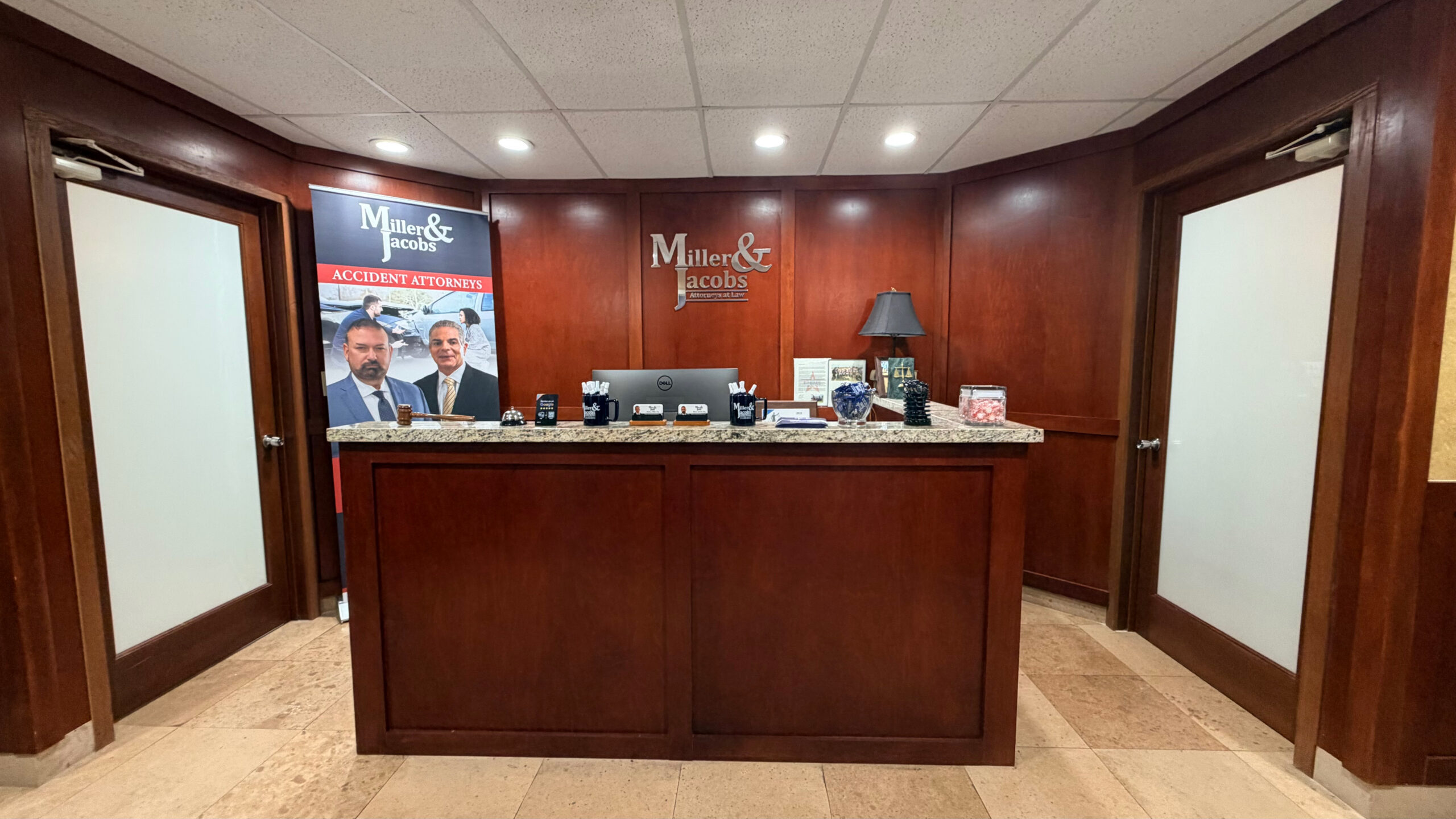
The firm does not claim a Miami office. In-person meetings take place at its Pompano Beach headquarters. If someone is in custody or a hearing is close, say so at the start of the conversation.
Miami-area arrests can involve agencies from different municipalities or jurisdictions. Keeping the identifiers together helps avoid requesting the wrong file or mistaking an incomplete docket for the full evidence record.
Use the arrest or search papers to identify Miami Police, the Miami-Dade Sheriff's Office, or another investigating agency. A Miami mailing address alone does not tell you who holds the recordings.
The Miami-Dade Clerk maintains criminal case information and notices. Its docket is useful for tracking proceedings, but it is not necessarily a collection of all police video or laboratory working records.
Counsel may need the search warrant, supporting statement, return, property list, and any record of consent. Different documents answer different questions about what officers were allowed to do and what they took.
Review collection, handling, submission, and test records for the particular item at issue. A discrepancy needs investigation, not an automatic assumption that the evidence is unusable.
Evidence review can inform motions, trial preparation, negotiations, or a treatment-based option. Ask what each path requires and whether it addresses every pending count.
The Richard E. Gerstein Justice Building at 1351 NW 12th Street is a Miami-Dade criminal court location. Follow the instructions for your assigned case rather than a general address. When impaired driving is also alleged, Miami DUI defense information explains why the driving-privilege process needs separate attention.
Miami-Dade's Adult Drug Court is a voluntary diversion and treatment program with eligibility rules and court oversight. It is not available automatically because an arrest is your first. Counsel should review the charge, history, required approval, and current program terms.
Treatment, testing, and court appearances require time and reliable attendance. Ask how the obligations fit work, transport, and caregiving, and what happens if you encounter a genuine barrier.
Find out what entry requires, the intended disposition after successful completion, and the consequences of withdrawal or noncompliance. Do not substitute another person's program experience for your written terms.
An evidence hold and a forfeiture claim are not the same thing. A phone, vehicle, or cash may remain subject to a separate process even after the criminal charge is resolved. Preserve every notice and service date.
Raise immigration, licensing, and existing supervision issues before accepting a disposition. A treatment-focused outcome does not necessarily eliminate those separate consequences.
The Eleventh Judicial Circuit's Adult Drug Court information describes local participation and oversight. Eligibility and the outcome of a particular case still need individual review.
The initial consultation is free and confidential. Criminal-defense fees depend on the allegations and work involved, including investigation, motions, hearings, and trial preparation. Ask separately about property recovery, a probation matter, or another jurisdiction. The written agreement should identify the scope and fee.

Mark has worked in prosecution, criminal defense, and insurance defense. His career includes more than 70 firm-reported jury trials to verdict, with preparation focused on the facts and issues a court must decide.
Read Mark's Biography
Rick previously served as a Miami-Dade Assistant State Attorney. His legal career includes more than 160 firm-reported jury trials to verdict and experience evaluating criminal cases from both sides.
Read Rick's BiographyMr. Miller or Mr. Jacobs handles an accepted criminal matter. Ask about the work covered and any issue needing additional counsel. Past results do not guarantee a similar outcome.
Keep original files intact. A short explanation of each document's source is more helpful than a heavily edited summary that removes the dates or identifying numbers.
Include the newest hearing notice, full release order, case number, and any custody information. Point out an upcoming test, appointment, or appearance.
Keep the warrant papers, inventory, towing receipt, and agency number. Separate a receipt for ordinary belongings from records describing seized evidence.
Preserve records identifying the patient, prescriber, pharmacy, and dates when relevant to the allegation. Let counsel explain which additional records may be needed.
Note who used the space and who observed the encounter. Keep unedited messages and recordings. Do not contact a protected person or ask a witness to align an account with yours.
These explanations are general, not predictions. The charged offense, evidence, court orders, and your history determine what advice applies.