

Partner
Mark J. Miller
Mark's biography describes work in insurance defense and prosecution before his plaintiff-side practice. That background informs the firm's evaluation of liability disputes and insurance positions.
An impaired-driving allegation is not a finished injury claim
Miller & Jacobs represents people injured in Miami crashes involving suspected impaired driving. Our civil review addresses the losses you need to document, the insurance that may respond, and the evidence supporting responsibility. We keep that work separate from the prosecution so an unresolved criminal case does not become a reason to ignore your own deadlines.
The consultation is free. No attorney fee is owed unless compensation is recovered for you. The written agreement explains fees and costs.
$300M+
Reported Recoveries for Injured Clients
50+ Years
Combined Legal Experience
230+
Combined Jury Trials Across Their Careers
Former Prosecutors
Experienced Trial Attorneys
Two tracks, separate decisions
The state addresses an alleged crime. An injury claim addresses legally recoverable harm. Although the records may overlap, a plea, charging decision, or hearing does not automatically resolve insurance, medical expenses, or the scope of a civil release.
Build a record of treatment, work restrictions, expenses, and the collision itself. A charge may be relevant, but the civil claim still needs evidence connecting the conduct to your injury and the loss being claimed.
Keep the case reference and official notices you receive. Some evidence may not be immediately accessible during an investigation. We assess lawful record requests while independently checking insurance obligations and the civil filing date.
If charges are reduced or no conviction occurs, tell us rather than assume the injury case has ended. The available civil evidence and applicable rules require their own assessment; neither a conviction nor its absence supplies every answer.
Preserve facts without putting yourself at risk
For a Miami collision after a night out, a commute, or an ordinary errand, the useful starting points are the exact location, time, vehicle movement, and witnesses. Seek care and follow emergency instructions. Do not confront a driver or try to gather proof of impairment yourself.
Record a lane departure, ignored signal, impact, or statement you personally heard. Distinguish those observations from information learned later. An odor, appearance, or rumor is not a blood-alcohol measurement.
Keep original dashcam footage, photographs, messages, and witness contact details. Identify possible nearby cameras with a useful time window. A lawyer can assess preservation, but a request does not prove that footage exists or give automatic access.
The exchange form, crash report, testing material, and criminal case may have separate identifiers and access rules. Save each reference. We identify the relevant agency rather than assume one report contains the entire investigation.
The Miami personal injury practice connects the liability review with evidence of care, expenses, and daily-life changes.

Your recovery is not a court calendar
The next hearing may be weeks away. Your next bill is not.
Tell us about the decision in front of you: follow-up care, missed work, an insurer's deadline, or an offer. We can review those issues while the criminal process follows its own course. No recovery should be assumed merely because an arrest was made.
Find the actual source of payment
Identify the driver, vehicle owner, and potentially applicable household or business policies. The allegation of impairment does not establish limits, eliminate exclusions, or value the claim. Bring complete letters and declarations rather than only an adjuster's summary.
We assess identified liability coverage and any competing claims. There may be insufficient insurance even when fault evidence is strong. Responsibility and collectibility are separate questions that should be discussed before assuming a settlement amount.
Your own uninsured-motorist or other benefits may require separate review. Where Florida PIP applies, qualifying initial care generally must occur within 14 days. Eligibility, notice, limits, and priority depend on the actual facts and coverage.
Keep every page of an offer and release. A payment may affect claims beyond the one discussed on the phone. We review its scope and the documented losses before treating an early check as a complete resolution.
A free consultation
A free consultation can begin with the crash date, available records, and the issue pressing today. You do not need to wait for a Miami-Dade criminal case to finish before asking about your injury claim.
Our South Florida office is at 1600 S Federal Highway, Suite 1101, Pompano Beach, FL 33062. Call 954-465-8733 before visiting.
View Pompano Beach office directionsAdditional claims need additional proof
Punitive damages and claims involving an alcohol seller have distinct legal requirements. We investigate the evidence for a particular theory rather than add defendants or promise enhanced damages because the collision involved drinking.
Section 768.72 requires a sufficient evidentiary basis to seek permission to plead punitive damages, with a separate clear-and-convincing standard for intentional misconduct or gross negligence. An arrest alone is not an award or a promise of insurance payment.
Section 768.125 generally limits liability for serving adults. Its narrow exceptions concern willful, unlawful underage service or knowing service to a person habitually addicted to alcohol. Evidence must support the applicable exception; drinking at a bar is not enough by itself.
Vehicle ownership, permission to use it, and work being performed may require further review. Each relationship needs legal and factual analysis. We do not presume every employer, owner, or business connected to the driver is liable.
Explain what the collision changed
Medical findings, missed earnings, restrictions, and assistance needs document the practical harm. Treating professionals assess care and prognosis. Those records help distinguish supported losses from an understandable but unsupported estimate of what the event should be worth.
List every treating facility and referral, including care outside Miami. Tell providers about relevant earlier symptoms or conditions. The legal review should reflect the full record, not omit an inconvenient fact or assume every later symptom has the same cause.
Retain bills, benefit decisions, earnings records, and receipts for assistance or necessary transport. Explain the reason for each claimed expense. A clear record is more useful than rounding losses into an unsupported total.
Many negligence claims accruing after March 24, 2023 have a two-year filing period under section 95.11. Claim type, parties, dates, and exceptions matter. Criminal proceedings and negotiations do not automatically suspend that period.
Miller & Jacobs
Partners Mark J. Miller and Rick S. Jacobs lead the firm's work for injured clients. Miami matters are served from its Pompano Beach office. Their biographies describe their professional backgrounds; no past experience or result guarantees the outcome of your case.
Partner
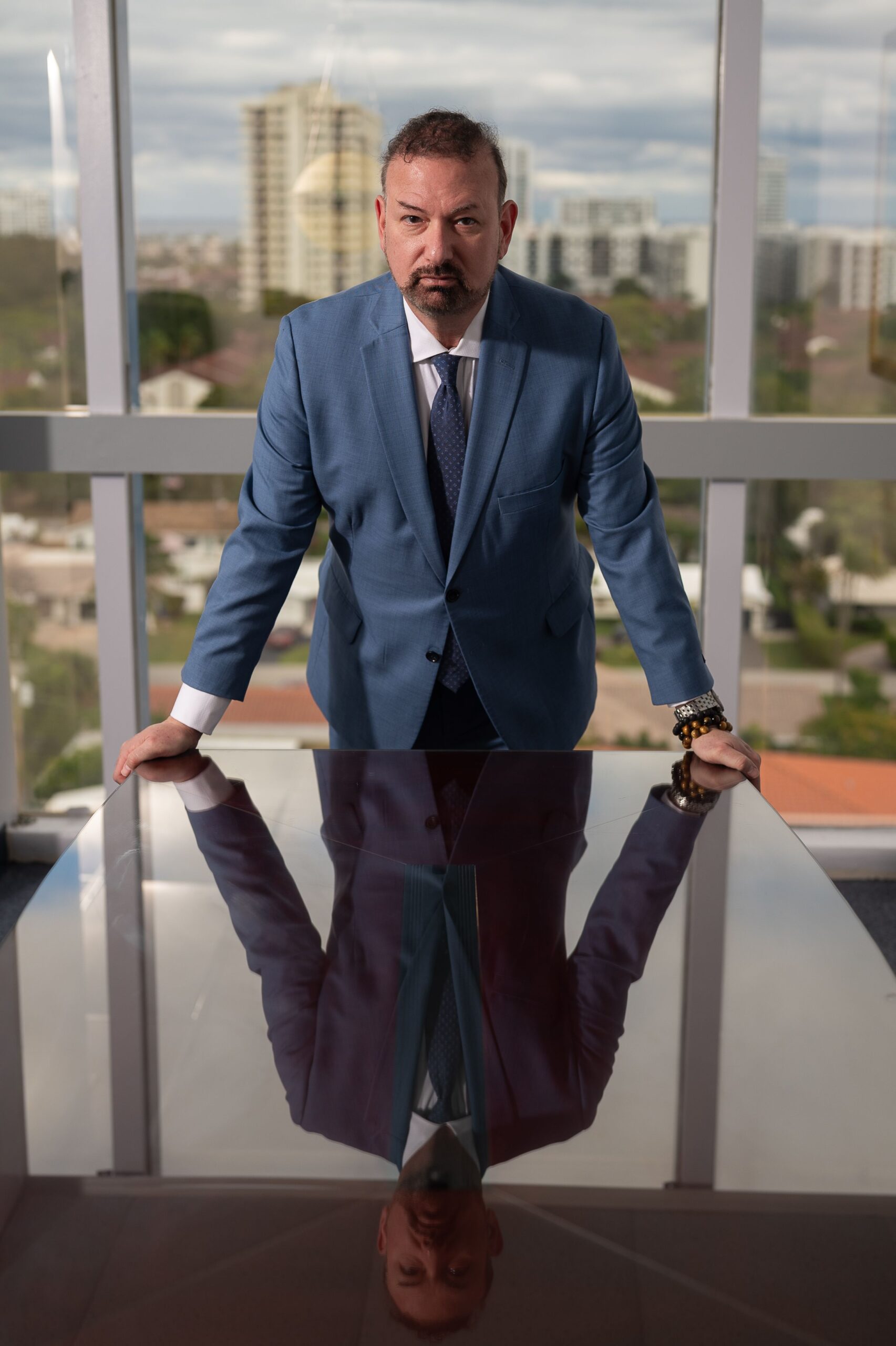
Mark's biography describes work in insurance defense and prosecution before his plaintiff-side practice. That background informs the firm's evaluation of liability disputes and insurance positions.
Partner
Rick's biography describes his service as an Assistant State Attorney in Miami-Dade County and his trial work. Read the published background for details of his professional experience.
Decisions and practical questions
No. Begin with the crash date, location, responding agency, and documents you have. A case number can help locate records later, but missing it should not delay a discussion of care, insurance notices, or the civil deadline.
Do not assume that. A criminal proceeding and a civil injury claim have different purposes and procedures. Tell us about any restitution or payment discussed so its relationship to your other claims can be reviewed.
Service alone is not enough. Florida law limits alcohol-furnisher liability and has specific exceptions. The circumstances and evidence of a qualifying exception need review before asserting a claim against a seller.
Do not put yourself at risk or try to conduct a confrontation. Keep existing messages, official information, and witness contacts. An attorney can assess appropriate evidence requests and communications through the legal process.
Keep the check paperwork and the complete proposed release for review. The wording determines what rights may be affected. The fact that a payment followed an arrest does not show that it covers all supported losses.
That risks treating separate timelines as one. Ask about the civil deadline promptly. The incident date, claim type, parties, and applicable exceptions need review regardless of the prosecution's schedule.
Related guidance