A vehicle description, a camera image, and a witness account may point in different directions. If you have been contacted about leaving a Miami crash scene, the first question is what the records actually establish about the driver, the event, and what happened afterward.
Miller & Jacobs helps review that sequence before you decide how to answer an investigator or a proposed resolution. Save the request, the available evidence, and any court papers. Do not turn an uncertain recollection into a confident guess.
Free initial consultation. Accepted cases are handled by Mark J. Miller or Rick S. Jacobs.
Served from the firm's Pompano Beach office
Both partners previously served as Assistant State Attorneys
Combined jury trials across the partners' careers
Mr. Miller or Mr. Jacobs handles an accepted matter
If an emergency is ongoing, call 911 and provide required aid; legal advice is not a reason to delay safety duties. For later investigative contact, distinguish the request from a court order and obtain advice about the response. Do not obstruct lawful process.
Keep the envelope, attachment, message, or notice as received. Identify the date and sender. A phone discussion about the investigation does not cancel a separate court obligation.
Tell counsel about existing footage and the vehicle's present condition. Keep original photographs and files. If safety repairs are needed, discuss how the evidence can be documented lawfully before work changes it.
Record the agency, contact details, case reference, and specific request. Ask counsel whether it is voluntary or backed by legal process and what response is appropriate. Do not invent an account or conceal evidence.
Keep unfavorable records with the rest of the file. Deleting messages, altering footage, hiding a vehicle, or influencing another person's account can create additional problems and undermine a reliable defense review.
Separate times supplied by a device from estimates based on memory. A camera clock may differ from a phone or a witness's recollection. Keep those differences visible so counsel can evaluate them.
Do not alter the vehicle or files to test a theory yourself. Tell the lawyer about any necessary safety work and ask how preservation should be handled.
Gather existing rental, parking, work, or key-access information. Identify who may have relevant knowledge without asking anyone to adopt your version of events.
Identify cameras, photographs, and witnesses already known to you. Counsel can consider appropriate preservation requests. Do not trespass or pressure a witness to obtain material.
Retain calls, messages, towing information, and dated vehicle photographs. Keep the original files when possible, not only screenshots of a selected portion.
Collect police and insurer requests separately, including deadlines. Different legal obligations may apply; counsel should review them before a detailed recorded account is provided.

Tell us which details you remember personally and which came from someone else. A gap in memory should remain a gap while the records are checked, not become a story shaped to fit the allegation.
The paperwork should identify the applicable section and level. Counsel must distinguish a property-damage allegation from an injury or death allegation, then examine the evidence and duties relevant to that specific category.
Section 316.061 addresses stopping and remaining after a property-only crash involving attended property. Safely moving a vehicle does not by itself complete the required duties.
The actual events matter more than the shorthand label on a report.
Determine who was present, what property was involved, and which notice or report was made. Counsel should identify the applicable provision before advising whether the actions satisfied it.
Preserve the original wording, timing, and method of contact.
A willful violation involving injury below the serious-bodily-injury category is a third-degree felony. The medical evidence and the legal requirements need individual review.
The allegation and supporting records must be compared.
A willful violation in this category is a second-degree felony. The statute defines serious bodily injury; an informal description is not a substitute for that definition and the evidence.
The defense needs the relevant records, not just a reported label.
Section 316.027 treats a willful violation involving death as a first-degree felony and includes a four-year mandatory minimum, with tightly limited departure rules.
No sentence or release outcome can be predicted from a brief description.
The injury and death provisions also carry license consequences. Review those with the proposed criminal disposition rather than assuming one court result resolves every restriction.
Read section 316.027 for injury and death cases and section 316.062 for information and assistance duties. Counsel should identify any additional provision applicable to the actual facts.
Our Florida criminal defense practice reviews the allegation against the underlying records. An explanation should identify both the supporting evidence and what remains uncertain. See our Miami criminal defense overview for the broader local process.
Compare the source of each time entry. A dispatch timestamp, recording clock, and recollection may describe different moments. Differences deserve investigation rather than silent correction.
Vehicle ownership and driver identification are separate questions. Counsel can assess the images, access records, statements, and witness descriptions relied on to identify the driver.
The nature of the impact, surroundings, damage, and later conduct may bear on disputed knowledge. The legal analysis must match the exact charge rather than assume every departure establishes the required mental state.
Identify any nearby stop, return, information exchange, request for assistance, or report to police. Record the sequence accurately; responsibility for causing the collision is a different question from compliance afterward.
The reported injury category and its connection to the event may require closer review. Counsel can also examine how a statement, search, or vehicle inspection was obtained and whether the evidence may be used.
Keep the request and the circumstances of any conversation, including who asked the questions and why. Counsel needs that context to assess a statement; a general belief that crash-related discussions are confidential is not enough.
Tell us whether the immediate issue is an interview request, a vehicle inspection, a notice to appear, or a proposed agreement. We will discuss whether the firm can assist and the scope and fee for accepted representation.
The firm serves Miami from Pompano Beach; no separate Miami office is represented. A consultation does not replace emergency aid, lawful reporting duties, or compliance with a current order.
Call 954-465-8733The Miami-Dade Clerk distinguishes county criminal matters from circuit felony cases. Confirm the assigned division, current hearing location, and attendance instructions from the actual case; this page does not direct every person to one building.
Provide both reference numbers when available. An investigative file and a court docket serve different purposes, and an online search without a result is not permission to disregard a notice.
Keep current orders together and identify the next personal obligation. Ask counsel before relying on a requested waiver or change; a request is not approval.
Reports, recordings, and other evidence may arrive at different times. The review should identify what is present, what is missing, and whether additional lawful preservation or requests are needed.
Discuss the reasons for a proposed motion, negotiation, or trial strategy. Include any license, restitution, and related-charge consequences in the decision rather than focusing only on the charge name.
A final hearing may leave requirements to complete. Obtain the written result and clarify remaining tasks instead of relying solely on a verbal description.
Mark J. Miller or Rick S. Jacobs handles each accepted matter. The responsible partner advises on the important choices while support staff or qualified professionals may assist with preparation.

Mark's published biography explains his background, bar membership, and reported trial experience. Review it before discussing the representation you need.
Read Mark Miller's Bio →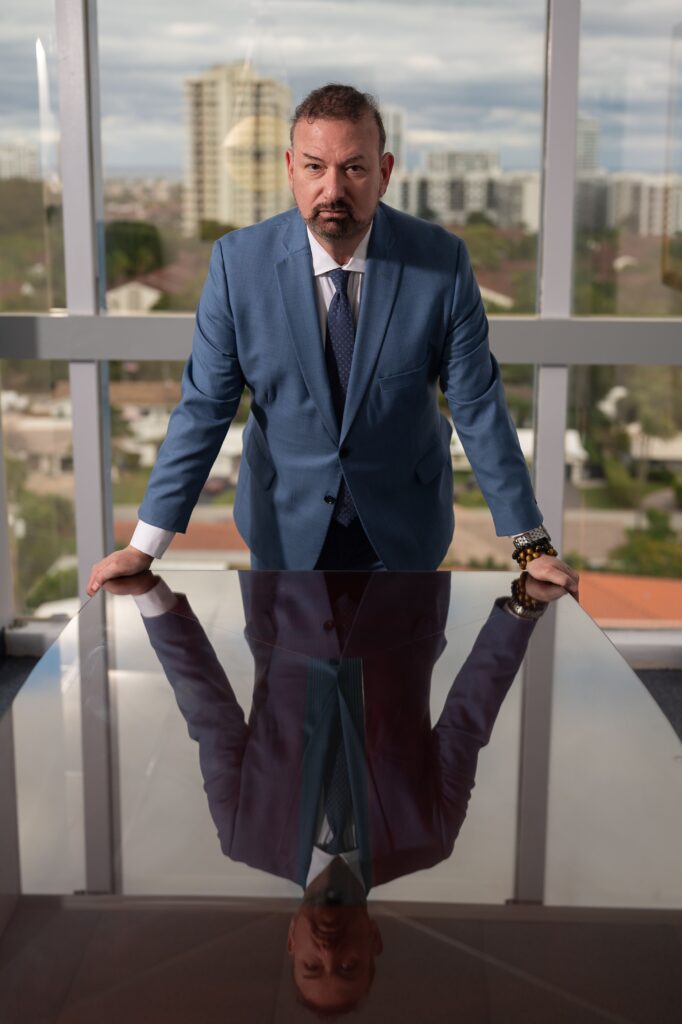
Rick's published biography describes his background and reported trial experience, including prior prosecution work. Your case requires its own evidence-based review.
Read Rick Jacobs's Bio →These explanations help frame a consultation. The applicable law and your actual documents must be reviewed before advice can address your individual circumstances.
The same event may involve a separate driving, license, or other criminal issue. Bring all papers to the review so a decision about one count does not overlook another.