The phrase gun charge can describe very different allegations. A traffic stop, an item found in shared property and an alleged threat do not raise the same issues. Start with the conduct and statute actually charged.
Miller & Jacobs represents people facing weapons allegations in Miami. We assess the encounter, evidence and any current court restrictions, then explain the legal options without assuming that lawful ownership resolves every question.
Have the charging paper, property receipt and next court notice available. Do not bring a weapon to the office.
Miami-Dade Defense
Case review through our South Florida practice
Charge-Specific Advice
Possession, carrying and alleged use are different issues
Partner Led
Mark J. Miller or Rick S. Jacobs handles accepted matters
Practical Next Steps
Understand the current order before acting
Read the release order and any injunction or supervision terms. Follow those directions while seeking advice about clarification or a change. A person's belief that possession was lawful at the incident does not authorize disregarding a later court restriction.
A new allegation during supervision may create a separate issue. The Miami probation-violation process must be reviewed alongside the new case, not assumed resolved with it.
The Eleventh Judicial Circuit handles Miami-Dade state felony cases at the Richard E. Gerstein Justice Building; other settings depend on the case. Confirm the current notice and assigned division. Arrange any property or surrender question through lawful channels, and do not bring a weapon to a consultation.
A general statement about carry rights is not enough to assess a specific Miami weapons case. The charge may concern eligibility, the place, an existing order, alleged conduct or a separate felony. Counsel should identify each count before discussing its possible consequences.
Florida's concealed-carry rules depend on the applicable eligibility criteria, not only whether a person has a license card. Review the exact statutory provision and facts at the time of the incident. Do not treat a missing license or a general permitless-carry headline as the entire analysis.
Certain records and orders can restrict possession independent of how an item was carried. Obtain the actual judgment, restoration documents if any and the current order. Finishing a sentence does not by itself establish that every firearm restriction has ended.
Section 790.10 addresses specified improper exhibition in another person's presence and includes a necessary-self-defense exception. Words, actions and surrounding events matter. Counsel must distinguish that charge from other allegations rather than assume every visible firearm proves the same offense.
A firearm allegation can affect the consequences of an underlying offense depending on the law and findings. Review it alongside the Miami felony case. There is no single mandatory sentence that applies to everything called a gun charge.
Carry law and court decisions must be checked against the conduct and date involved. Even where carrying is lawful, that does not decide a prohibited-possession, restricted-location or misuse allegation. Seek an analysis of the actual charge rather than rely on an outdated summary.
You should not have to choose a response from a headline about Florida gun law. A useful consultation connects the actual allegation, evidence and restrictions to the decision in front of you.
The reason for an encounter, authority to search and evidence of a particular person's conduct are separate questions. Existing footage, dispatch records, documents and firsthand witnesses may help test each part.
Identify the stated reason for the stop and what happened before the search. Counsel can examine a warrant, asserted consent or another claimed basis. A disputed search requires a legal assessment of the available remedy; suppression is not automatic.
A firearm in a vehicle or room used by several people raises questions about knowledge and control. Identify who had access, where the item was found and what other evidence connects a person to it. Neither proximity nor another person's ownership settles every possession issue.
A clip may omit the approach, an alleged threat or an attempt to leave. Preserve existing footage and identify other recordings or witnesses. Counsel can assess the sequence without assuming that every missing recording helps one side.
Distinguish seeing an item from seeing a threatened or attempted use of it. When a confrontation also produces an assault allegation, assault and battery defense addresses the separate proof required.
Preserve original files and papers. Do not change accounts, contact witnesses to coordinate a version, or handle an item contrary to an order while trying to prepare the defense.
Each route answers a different question. Counsel should explain the evidence supporting a request, the risks it does not resolve and the practical effect of the proposed outcome.
1
A search challenge and a self-defense immunity request are different procedures. Their requirements and effects must be assessed separately. A useful recommendation explains which evidence supports the request and what a favorable ruling would change.
2
Consider adjudication, supervision and potential effects on firearm rights, employment or licensing as well as the sentence. Raise immigration or other specialized concerns early so appropriate advice can be obtained. Avoid judging an offer only by immediate jail time.
3
Trial preparation addresses admissibility, witnesses and the disputed elements. The state bears the burden of proof beyond a reasonable doubt. Counsel should discuss uncertainty candidly rather than promise that one inconsistency guarantees acquittal.
Call with the charge, case number and any current restrictions. If police have requested an interview, tell us the agency and timing. We can discuss whether the firm can accept the matter and what information is needed.
Mark J. Miller or Rick S. Jacobs handles accepted matters. Ask who will communicate with you, what stages are included and whether specialist or investigative work may be needed.

Mark J. Miller is a partner at Miller & Jacobs. Review his biography and discuss the records, legal issues and proposed defense work.
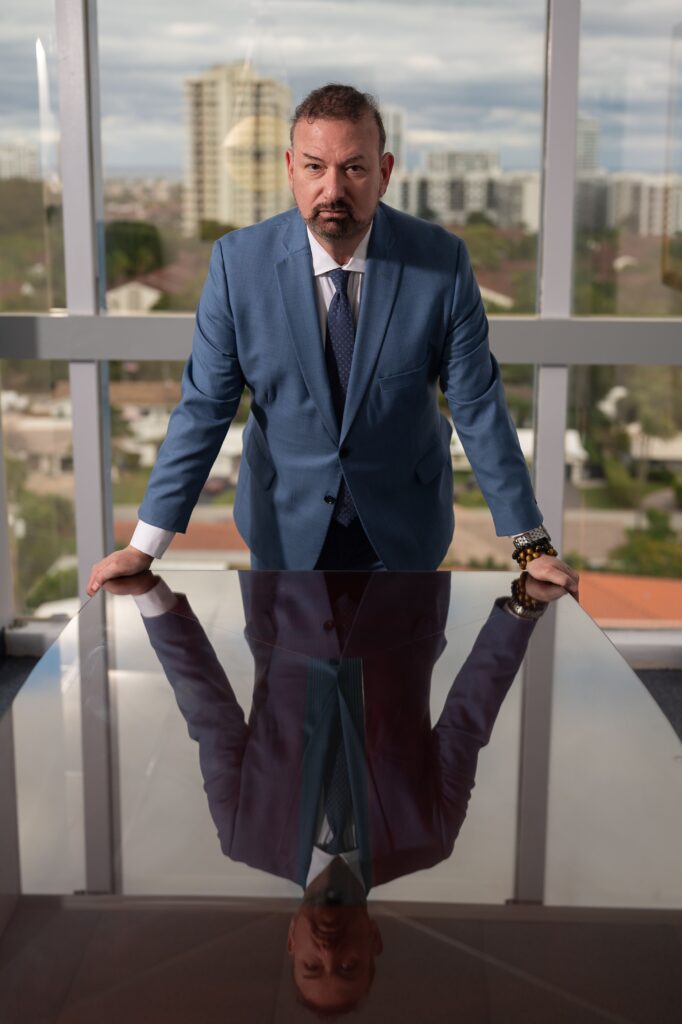
Rick S. Jacobs is a partner at Miller & Jacobs. His biography provides background for your conversation about the accusation and options.
A free initial consultation does not predict a result. Review the fee and scope of the engagement, including possible outside costs, before choosing representation.
Our Miami criminal defense team can discuss the next required step. Use the shared contact page for a brief request rather than uploading sensitive case material.
The firm serves Miami through its South Florida practice. The address below is its Pompano Beach office, not a separate Miami location. Ask how the consultation and court representation will be arranged.
Pompano Beach office
1600 S. Federal Highway, Suite 1101
Pompano Beach, FL 33062
