
Get care and account for everyone.
Tell medical staff about a blow to the head, time in the water, or symptoms that appear later. Keep the visit summary and follow-up instructions.
Miller & Jacobs · Orlando, Florida
When someone is hurt on the water, the trip back to shore may be a blur. You may have a report, a few photos, or only the name of the person who had the boat. That is enough to start a conversation. We can help find out what happened and what options may be available.
The first conversation is free. No attorney fee unless compensation is recovered.
of combined legal experience
jury trials across the partners’ careers
Office on South Kirkman Road
consultation about your next steps
A place to start
A collision, sudden wake, fall, or propeller injury can leave people trying to account for everyone before they know what to record. Take care of the immediate situation first. These details can wait until it is safe.
For an emergency, call 911. Do not put photos, paperwork, or a call to our office ahead of medical care or rescue.
Tell medical staff about a blow to the head, time in the water, or symptoms that appear later. Keep the visit summary and follow-up instructions.
Florida requires the operator to give notice without delay for certain accidents, including an injury needing treatment beyond immediate first aid. The FWC, county sheriff, or applicable municipal police can receive notice. Ask for the report number if there is one.
Photos, registration numbers, a rental receipt, messages, the launch location, and names of passengers or witnesses can help later. If a rental boat is being returned, save your paperwork and ask the company to preserve records and the vessel.
Public guidance: FWC boating accident and reporting rules →
Here in Orange County
On an inland lake, the name of the waterway is only a start. A launch, dock, rental pickup, nearby address, or phone location can help narrow the scene and point to records that may still exist.
You do not need coordinates or a complete route to call. Tell us the place as you remember it, and we can work outward from there.
For local access context, see the Orange County boat ramp directory →.
Locate the scene
The place
A lake name, launch, dock, or nearby landmark can help. Orange County lists Fern Creek at Little Lake Conway and Moss Park at Lakes Hart and Mary Jane as public access examples. Neither is being described as an accident hotspot.
The vessel
A registration photo, rental confirmation, message, or description may help identify a vessel after it leaves the launch. Share what you have, even if you never saw a registration number.
The movement
The direction of travel, a sudden wake, a swimmer’s position, or where people went after coming ashore can help put accounts together. A rough memory is still a useful starting point.
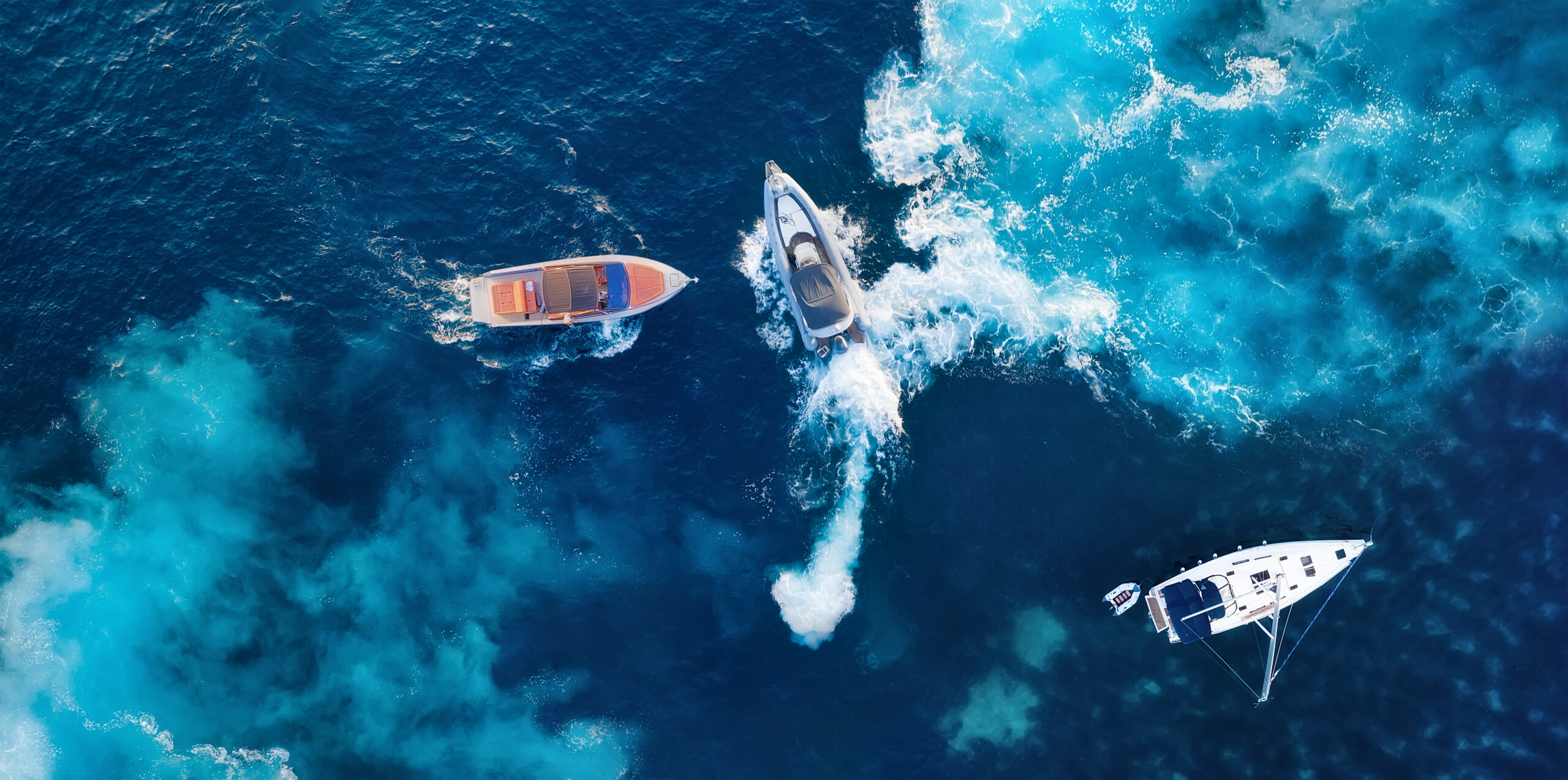
After the trip back to shore
You do not need to know who was at fault before you ask for help.
The boat may be moved, repaired, or returned before the questions become clear. Tell us what you remember, even if it is incomplete. We can discuss what records may still exist and how to ask that they be kept.
Who may be responsible
A boating claim starts with what each person did, not simply whose name is on the boat. Florida’s vessel safety laws address an operator’s care, the conditions on the water, and a narrower rule for an owner who was not operating.
Florida law calls for the highest degree of care from a vessel operator. Speed, traffic, posted wake limits, navigation rules, and attention to people in the water may all be part of the facts.
Ownership by itself does not make someone liable for a borrower’s careless operation. Under § 327.32, the owner’s presence aboard or role as operator changes that analysis. Other conduct or claims require their own review.
A rental agreement, inspection history, maintenance records, and the boat itself may matter if equipment or instructions are in question. We examine the actual evidence before naming a rental company or any other party.
Primary law: Florida Statutes § 327.32 and § 327.33.
That can still help us begin. We can talk through what is known, what may be preserved, and what needs a closer look.
What to expect
You do not have to reconstruct the whole trip on the first call. We listen, identify the records worth seeking, and explain what may follow. Our Orlando personal injury guide gives more context on the wider claim process.
Where you launched or went ashore, who was aboard, what happened on the water, and what care followed. An uncertain sequence is okay; we can start with the parts you know.
Depending on the facts, that may include an FWC or law enforcement report, vessel identification, photos, rental documents, witness contacts, medical records, and available insurance.
We discuss who may be responsible, what losses can be documented, possible defenses, timing, and whether a claim makes sense. The recommendation should be clear before you decide what to do.
What the injury changes
Medical bills are part of the record, but an injury can also affect work, family routines, and the care still ahead. We use the documents and your account to understand the full picture.
These are possible categories, not a promised outcome. What may be recoverable depends on the facts and applicable law.
Emergency treatment, follow-up, rehabilitation, and supported future care needs.
Missed work, changes in earning ability, pain, and practical limits at home.
Documented costs and damaged property when they are part of a viable claim.
When someone dies, Florida’s wrongful death law raises different questions about who may bring a claim and what losses can be pursued.
The people behind the firm
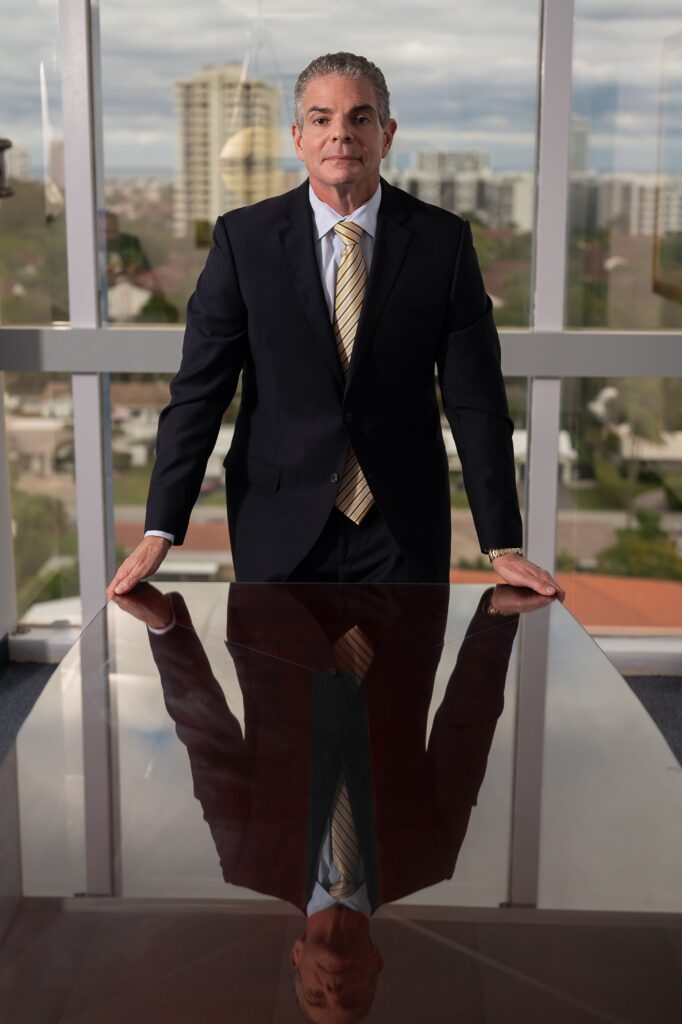
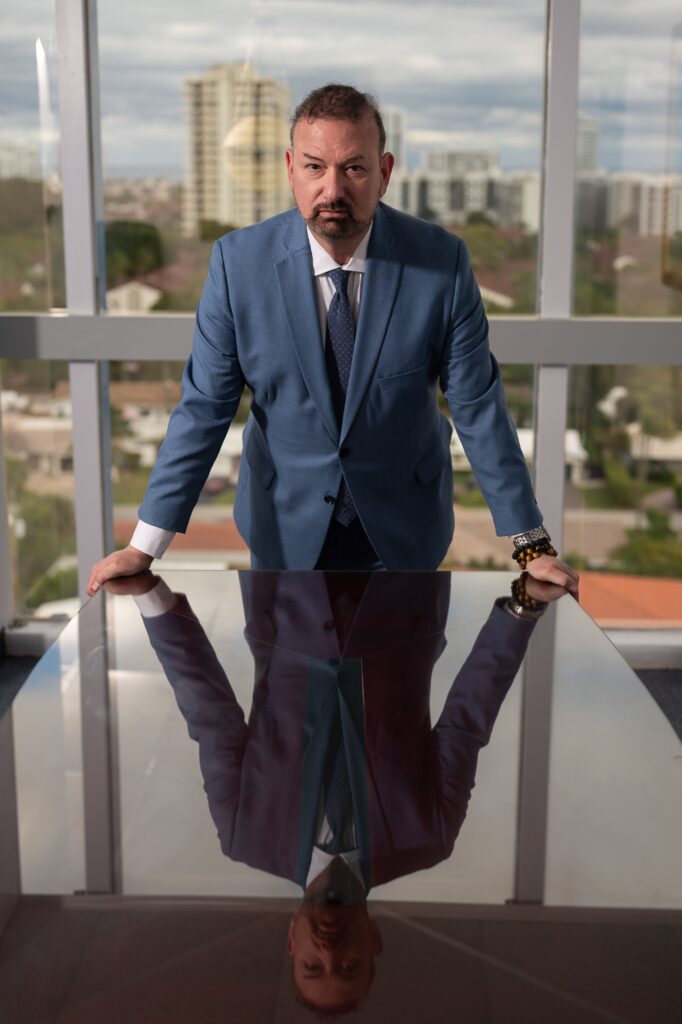
Mark J. Miller and Rick S. Jacobs are partners at Miller & Jacobs. Their biographies can help you get to know the attorneys before you make the first call.
PARTNER
Read about Rick’s practice before deciding what to ask on a first call.
Meet Rick →Questions before you call
People often leave the water with only part of the story. These answers help you begin; they cannot decide a particular claim without the facts.
No. Share anything you have, including a photo, the launch point, a name, messages, or a report number. We can discuss what identifying the boat and operator would require.
Yes. Being a passenger does not, by itself, resolve fault or prevent you from asking. We would look at the operator’s conduct, any other vessels, the injury, and the available evidence.
Tell us who operated it and whether the owner was aboard. Section 327.32 treats liability for reckless or careless operation differently for the operator and an absent owner. Rental and maintenance facts can raise separate questions.
For the incidents listed in § 327.30, the vessel operator must give notice without delay to FWC, the county sheriff, or the applicable municipal police. This includes injury needing medical treatment beyond immediate first aid, death, disappearance in certain circumstances, or qualifying property damage.
Call anyway. The report, people involved, rental documents, messages, medical record, and vessel information may still help. Do not return to an unsafe place to recreate photos.
Do not assume every boating injury follows one deadline. The claim, parties, location, and law that applies can change the analysis. We can review the incident date promptly while records are easier to find.
A conversation comes first
A place on the lake, the name on a rental receipt, or the moment someone needed help may be all you have today. We will listen, ask the next useful questions, and explain what can be checked without asking you to have it all sorted out.
Related Orlando guidance
If the injury involved a child or a family death, those situations bring their own questions. The broader Orlando injury guide is also available if you want to understand the claim process.