A report that a vehicle left a crash scene raises several questions: who drove, what happened, and which legal duties were not completed. Miller & Jacobs evaluates the evidence behind a hit and run allegation and helps you address a police inquiry or pending charge.
Preserve the vehicle and existing records. Before discussing the event in a substantive interview, speak with counsel about your rights and any duties that apply.
5401 South Kirkman Road, Suite 660
Mark J. Miller and Rick S. Jacobs
Combined Jury Trials to Verdict Across Their Careers
Your Case Handled by Mr. Miller or Mr. Jacobs
Florida law distinguishes damage to attended property, damage to unattended property, injury, and death. The filed subsection matters. Our Orlando criminal defense lawyers review that allegation alongside any related criminal traffic charge.
Section 316.061 concerns crashes involving only damage to a vehicle or other attended property. Stopping briefly does not necessarily satisfy every duty. Counsel should examine what information was exchanged and what happened afterward.
Section 316.063 addresses notifying the owner or leaving the required written information and notifying police without unnecessary delay. A note alone does not answer every compliance question.
Section 316.027 treats injury, serious bodily injury, and death differently. Counsel should compare the charged category with the evidence and review any license consequences, minimum sentence, or other applicable requirement.
Section 316.062 sets information and reasonable-assistance duties. The defense review should address the actual circumstances, including medical needs and any inability to communicate, without assuming a single explanation resolves the allegation.
After a frightening or confusing event, a short account can leave out the very details that matter most. You need time to explain what you remember, what you learned later, and what you cannot honestly say. A lawyer can help keep those distinctions clear as the evidence is reviewed.
A plate, photograph, or description may point police toward a vehicle. The prosecution still needs proof relevant to the person and offense charged. Counsel can compare the sources and determine where further investigation is useful.
Review witness descriptions, recordings, statements, and access to the vehicle. Ownership and driving are different facts. Tell counsel who could lawfully use the vehicle without contacting anyone to coordinate a story.
The impact, surroundings, vehicle condition, and any physical impairment may bear on the account. Distinguish an actual memory from an inference you made after seeing the report.
A diagram or account may depend on where a vehicle or witness was positioned. Relevant camera footage, landmarks, and sightlines can help evaluate the reliability of that description.
Calls, messages, photographs, requests for assistance, and any return to the area may help reconstruct what occurred. Preserve the originals even when you are unsure whether they help your defense.
Property records and medical evidence serve different purposes. The defense should examine what harm is attributed to the event and whether it supports the specific allegation.
A conversation with an officer, an insurer, and a third party can raise different issues. Give counsel an accurate account of each, including any recording or written statement, so admissibility and obligations can be assessed.
Call with the agency name, report number, and any request you received. We can discuss the allegation and how a defense review would proceed.
Do not repair away relevant damage, erase recordings, or alter location records to change the appearance of events. If the vehicle needs urgent safety work or must be returned to a rental company, tell counsel promptly so preservation can be addressed lawfully.
Mark J. Miller or Rick S. Jacobs handles an accepted criminal matter. Discuss whether the firm is being retained for the criminal defense alone and how any separate insurance or civil claim should be coordinated. One proceeding should not be assumed to settle another.

Mark J. Miller is a former assistant state attorney admitted to The Florida Bar in 1995. His experience includes more than 70 jury trials to verdict across his legal career. Read his biography and ask about his approach to your matter.
Read Mark’s Bio →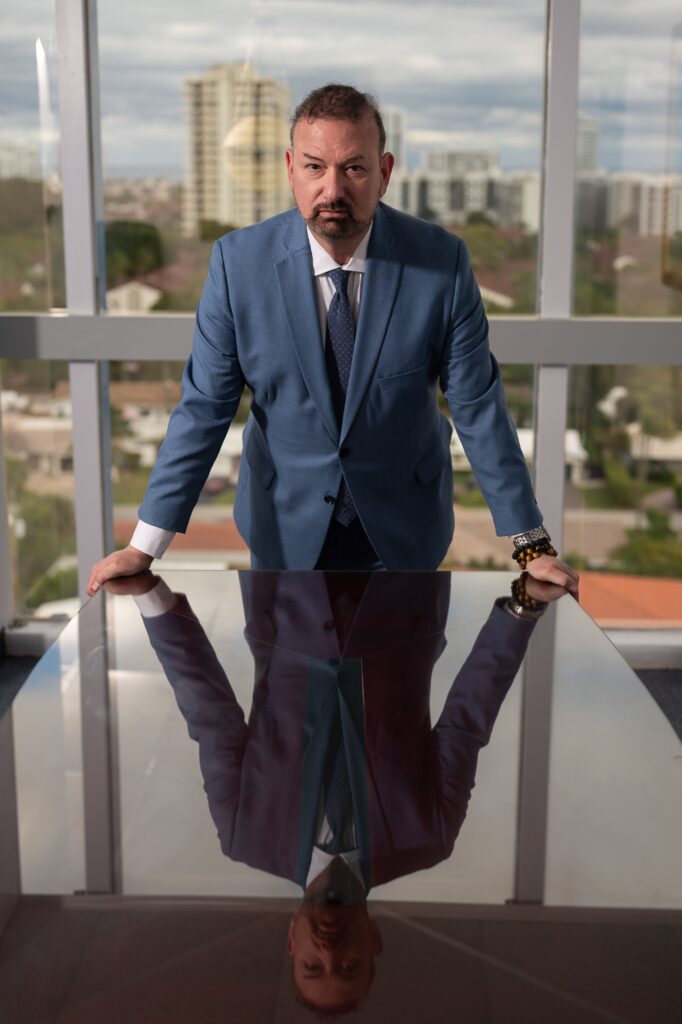
Rick S. Jacobs is a former assistant state attorney admitted to The Florida Bar in 1995. His experience includes more than 160 jury trials to verdict across his legal career. His biography provides background for the conversation about your defense.
Read Rick’s Bio →Define the work before you retain the firm. Ask about investigation, expert review if needed, court representation, and expenses. A criminal defense agreement should state whether any related civil or administrative work is included.
Provide the actual notice or request rather than rely on the informal label used to describe the investigation.