

Partner
Mark J. Miller
Mark's biography describes work in insurance defense and prosecution before his plaintiff-side practice. That background informs the firm's evaluation of liability disputes and insurance positions.
An ordinary errand should not leave you sorting out a property dispute.
If a fall in Pembroke Pines has changed how you work, shop, or care for your family, Miller & Jacobs can review the unsafe condition and the parties responsible for the area. A store spill and a damaged shared walkway may need different evidence and a different legal analysis.
You do not need a complete claim file to call. Free consultation. No attorney fee unless compensation is recovered for you.
Start with the kind of place
The label 'slip and fall' does not identify who had a duty to maintain the area. A shopping center entrance, a residential common path, and a private home can involve different rules and records. Tell us exactly where your feet were when the fall began.
For a covered temporary spill, the business's knowledge is important under Florida's business-spill statute. We look for facts about how long the condition existed or whether it recurred. An injury alone does not prove that the business had the notice required by law.
An association, property manager, owner, or maintenance company may have different responsibilities for a shared walkway or stair. Save the community's exact name and any earlier repair notices you already possess. We examine control and the actual condition rather than assuming every resident's association is liable.
A curb, threshold, or uneven connecting path may be outside a tenant's leased space. Wide photographs can help identify the boundary and the route you used. A manager's verbal suggestion that another company handles it is a lead to investigate, not the final answer.
Details that can survive a repair
A photograph records one moment. A dated repair request or an earlier observation may help explain whether the condition was known before your fall. Keep records you lawfully have, and let us assess how additional material can be sought from the right party.
Retain relevant emails, work-order numbers, or messages about the same defect. Do not assume a general complaint about the property proves knowledge of this specific hazard. Note who received the notice and whether a repair was reported or attempted.
Describe lighting, rain if relevant, the surface, nearby warnings, and the route you were using. Save the original images and witness contact information. If a family member took photographs later, record that timing instead of presenting them as pictures of the moment of the incident.
A repair can remove the condition you need to explain. Tell us when you first learned it was changed and what records remain. Later repairs do not automatically establish prior negligence, and legal rules may limit how they can be used. Prompt preservation remains useful.
A week reorganized around pain
Residents may find that an injury affects school pickup, standing at work, grocery trips, or helping a relative. Your treatment and restrictions should guide what you do. For the claim, we need a practical record of the difference between life before and after the incident.
Keep referrals and follow-up dates together. Tell providers about tasks you cannot safely do, and follow their guidance. If a condition existed before the fall, explain the prior baseline and what changed. A history of pain does not replace a careful assessment of a new injury.
Save schedules, employer communications, pay records, and any leave used. Self-employed work may require invoices, bookings, or tax records. We assess whether the missed work or reduced duties connect to the injury instead of assuming all time away will be reimbursed.
Record paid assistance, transportation, and other specific expenses caused by the injury. A family member's help also gives useful context, though not every favor becomes a recoverable charge. Keep dates and examples that are accurate enough to explain without overstating the loss.
Our Pembroke Pines personal injury page places a property claim within the broader injury process and explains where the firm's South Florida office is located.
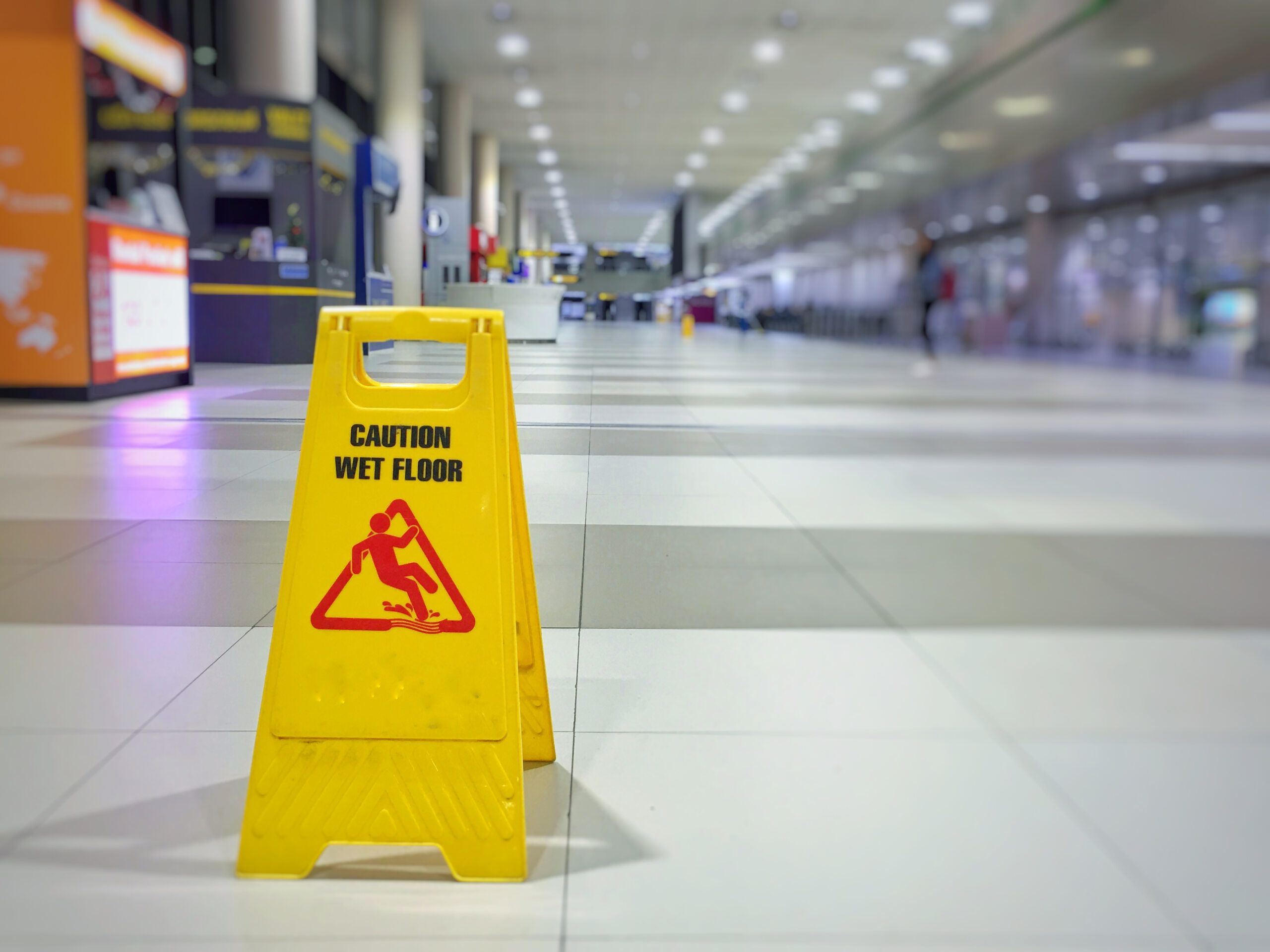
The everyday cost of a fall
The shopping is finished. Getting through the front door is suddenly harder.
An injured knee or wrist can turn a familiar routine into a series of requests for help. We want to understand those changes without asking you to exaggerate them. A concrete account can help connect the records to the problems you are actually facing.
A free consultation
Tell us where you fell and what changed afterward. We can explain the evidence needed to assess a Pembroke Pines property claim and the decision you face next.
When the property disputes responsibility
An insurer may say that the hazard was obvious, that you used the wrong route, or that another business maintained it. We examine the facts behind those positions. Your account should remain honest about what you saw, including details that may be unfavorable.
Was the sign close to the condition, visible from your approach, and relevant to the actual hazard? The wording, lighting, and surrounding objects may matter. A useful warning can affect the claim; a photograph of some sign elsewhere is not a complete explanation.
Describe why you were in the area and which entrance or path you used. Avoid guessing whether the property expected visitors there. Access arrangements, barriers, and the way the area was maintained can help clarify the duty and any argument about your own conduct.
Florida's applicable negligence rules can reduce recovery and may bar it if the injured person is more than 50% at fault. A claim should be assessed on evidence, not an adjuster's first percentage. We explain how the asserted conduct connects to the fall and injury.
From an incident to an informed decision
A property may offer to reimburse an expense or ask for a statement shortly after the incident. Save those communications. We can review the proposed terms, relevant coverage, and treatment outlook before you decide whether an agreement fits your situation.
An incident form, medical authorization, and settlement release serve different purposes. Read each one and keep a complete copy. Ask about language you do not understand rather than relying on a summary given while you are upset or in pain.
Bring health-insurance decisions, provider balances, wage information, and current restrictions. A listed bill does not by itself establish what you owe or what a claim will recover. Repayment rights and likely future care also need attention.
Most Florida negligence suits are subject to a two-year limit, but dates, exceptions, and the type of defendant matter. A public sidewalk claim may involve other notice requirements. Let us check the applicable timetable before waiting for a property insurer to finish its review.
You can review the statutory filing periods in Florida section 95.11. A lawyer must apply them to the particular incident; reporting the fall does not necessarily preserve the right to sue.
Decisions and practical questions
Potentially. The association's duty, control of the location, condition, and other facts need review. Your status as a resident does not itself decide liability. Keep relevant maintenance communications and governing documents you already have.
Save the original message, date, recipient, photographs, and any response or work-order number. The complaint should be connected to the actual condition involved in the fall. We can assess whether it helps establish relevant notice.
They can help provide facts and contact information to the property. Keep a record of who made the report and what they personally observed. They should distinguish firsthand observations from what someone else told them.
No single fact resolves it. We examine the location, condition, warnings, maintenance, applicable duty, and notice. Rain may affect the analysis, but it does not automatically prove or defeat a claim.
Tell us about the earlier condition and the changes afterward. Medical records can help separate the baseline from any aggravation. A prior condition does not automatically eliminate a claim for an injury the fall caused or worsened.
No. A later repair does not automatically establish prior negligence, and its use as evidence may be limited. Preserve your original observations, photographs, and earlier maintenance records rather than relying only on the repair.
Miller & Jacobs
Miller & Jacobs serves Pembroke Pines injury clients through its Pompano Beach office. Partners Mark J. Miller and Rick S. Jacobs bring experience described in their biographies to evaluating property disputes and the losses supported by a client's records.
Partner
Mark's biography describes work in insurance defense and prosecution before his plaintiff-side practice. That background informs the firm's evaluation of liability disputes and insurance positions.
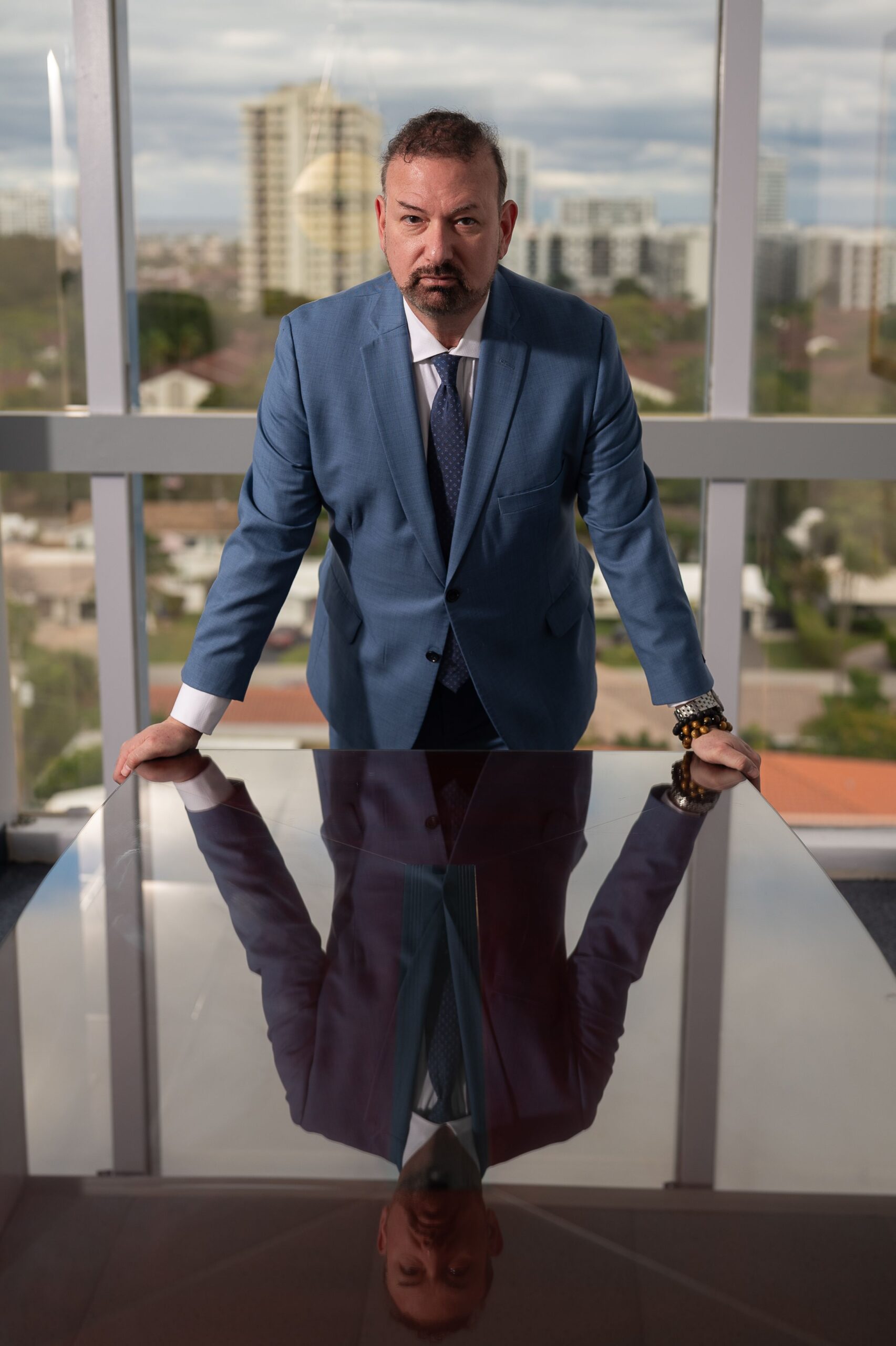
Partner
Rick's biography describes his service as an Assistant State Attorney in Miami-Dade County and his trial work. Read the published background for details of his professional experience.
Our South Florida office is at 1600 S Federal Highway, Suite 1101, Pompano Beach, FL 33062. Call 954-465-8733 before visiting.
Related guidance