A drug arrest can turn one stop, search, or accusation into fear about jail, work, school, family, and your name. The report may sound certain before you have seen the search records, laboratory work, video, or full context.
Miller & Jacobs begins with where the substance was found, who could reach it, why police searched, what testing identified, how weight was calculated, and what allegedly shows knowledge or intent.
Former prosecutors. 230+ combined jury trials. Pompano Beach headquarters.
Pompano Beach Criminal Defense Overview →Preserve the paperwork and original records you have. Avoid deleting messages, altering files, or discussing the facts publicly while the allegation is being evaluated.
Both partners have evaluated criminal cases from the prosecution and defense perspectives.
Reported jury trials to verdict across Mark Miller and Rick Jacobs’s legal careers.
Speak with a firm headquartered on South Federal Highway with a local 954 number.
An accepted defense matter is led by Mr. Miller or Mr. Jacobs, with support as needed.
A possession, sale, or trafficking label begins the review. The defense still needs to examine how the evidence was found, who allegedly controlled it, what it was, what it weighed, and why the State connects it to you.
Start with the search and evidence →The review may begin with the stop, warrant, consent request, probation condition, arrest, emergency claim, or other reason officers entered a vehicle, home, room, bag, or digital account.
Actual and constructive possession differ. In a shared car, home, room, or container, access, knowledge, control, keys, location, and statements can become central.
The officer description, field test, laboratory result, recorded weight, packaging, and chain of custody are separate parts of the evidence.
Quantity, packaging, cash, scales, messages, location, and statements may be used to argue intent. Each item needs context and a connection to the accused person.

One accusation should not erase the positive parts of your life or everything that defines the person behind the case.
Florida drug charges can depend on the alleged act, substance, quantity, location, and evidence. The defense should identify exactly what has been filed.
The review may focus on where the item was found, whether it was concealed, who had access, and what connects the person to it.
Packaging, quantity, cash, messages, scales, observations, or statements may be used to argue intent to sell, manufacture, or deliver.
Controlled buys, informants, surveillance, recordings, warrants, and identity evidence may become important.
Florida law can define trafficking through specified conduct and threshold quantities, including knowing actual or constructive possession. A completed sale is not always required.
A valid prescription, original container, pharmacy history, medical records, ownership, residue testing, and actual use may change the analysis. Preserve the originals.
Cash may come from lawful work. A vehicle, room, phone, or container may be shared. Those facts do not resolve the case, but a complete review cannot ignore them.
The defense should separate what police observed from what they inferred, then compare both with the video, warrants, laboratory records, digital evidence, and witnesses.

Review the reason for the encounter, its length, questions, consent language, canine use, and what the video shows.
Compare the affidavit, place described, items authorized, timing, execution, inventory, and scope.
Examine what was submitted and tested, how exhibits were grouped, the recorded weight, laboratory notes, and any threshold tied to the charge.
Shared access, keys, leases, vehicle records, fingerprints, DNA, personal items, and witnesses may support or challenge the claimed connection.
Ownership, authentication, full context, location data, payment records, and who used the device may matter.
Reliability, instructions, searches before and after, recording gaps, benefits, surveillance, and chain of custody may require scrutiny.
Laboratory context: FDLE explains that field kits are often not specific to a single substance, while laboratory instruments are more specific. FDLE also records raw weight before analysis and maintains that information in the case record. Read the FDLE seized-drugs submission guidance →
The report may group every item together. The defense should ask what each item proves, who it connects to, and what is still missing.
The path depends on the agency, charge, custody status, court assignment, and filing decision. The case paperwork controls.
The first record may include an agency report, body-camera video, search paperwork, property receipt, notice to appear, or booking entry.
Confirm custody, bond, release conditions, court dates, and instructions from the current paperwork.
The State Attorney reviews the reports and may file, change, request more investigation, or decline a charge.
Reports, video, warrants, laboratory materials, witnesses, digital evidence, legal issues, and possible motions are reviewed.
The matter may involve negotiation, available diversion or treatment options, hearings, dismissal, plea decisions, or trial preparation.
Pompano Beach receives law-enforcement services through the Broward Sheriff’s Office. Felony matters are handled in Circuit Criminal at the Broward County Central Courthouse, while other assignments depend on the filed charge and notice. When impairment is also alleged, the Pompano Beach DUI defense page explains the separate license and court tracks.
People often call about work tomorrow, a license, a shared vehicle, probation, school, immigration, or what family will hear. Those concerns deserve early attention.
Bond, travel limits, testing, supervision, and court appearances may affect daily routines before resolution.
Employment rules, professional boards, background checks, and reporting duties vary by job and case posture.
A vehicle, phone, cash, account, or other property may be held as evidence or raise a separate forfeiture question.
Record history, probation, housing, education, immigration, and future opportunities may require separate, tailored advice.
A criminal defense lawyer can address the criminal case. Immigration, licensing, employment, or other specialized consequences may require separate advice from the appropriate professional.
Fees can depend on the charge, custody, defendants, search issues, laboratory work, digital evidence, hearings, motions, and trial preparation. The written agreement should explain what is included.

Mr. Miller’s background includes criminal prosecution, criminal defense, insurance defense, and more than 70 reported jury trials to verdict.
Read Mark Miller’s Bio →
Mr. Jacobs’s background includes criminal prosecution, criminal defense, complex litigation, and more than 160 reported jury trials to verdict.
Read Rick Jacobs’s Bio →Your matter is directly handled by Mr. Miller or Mr. Jacobs, not a junior or staff attorney.
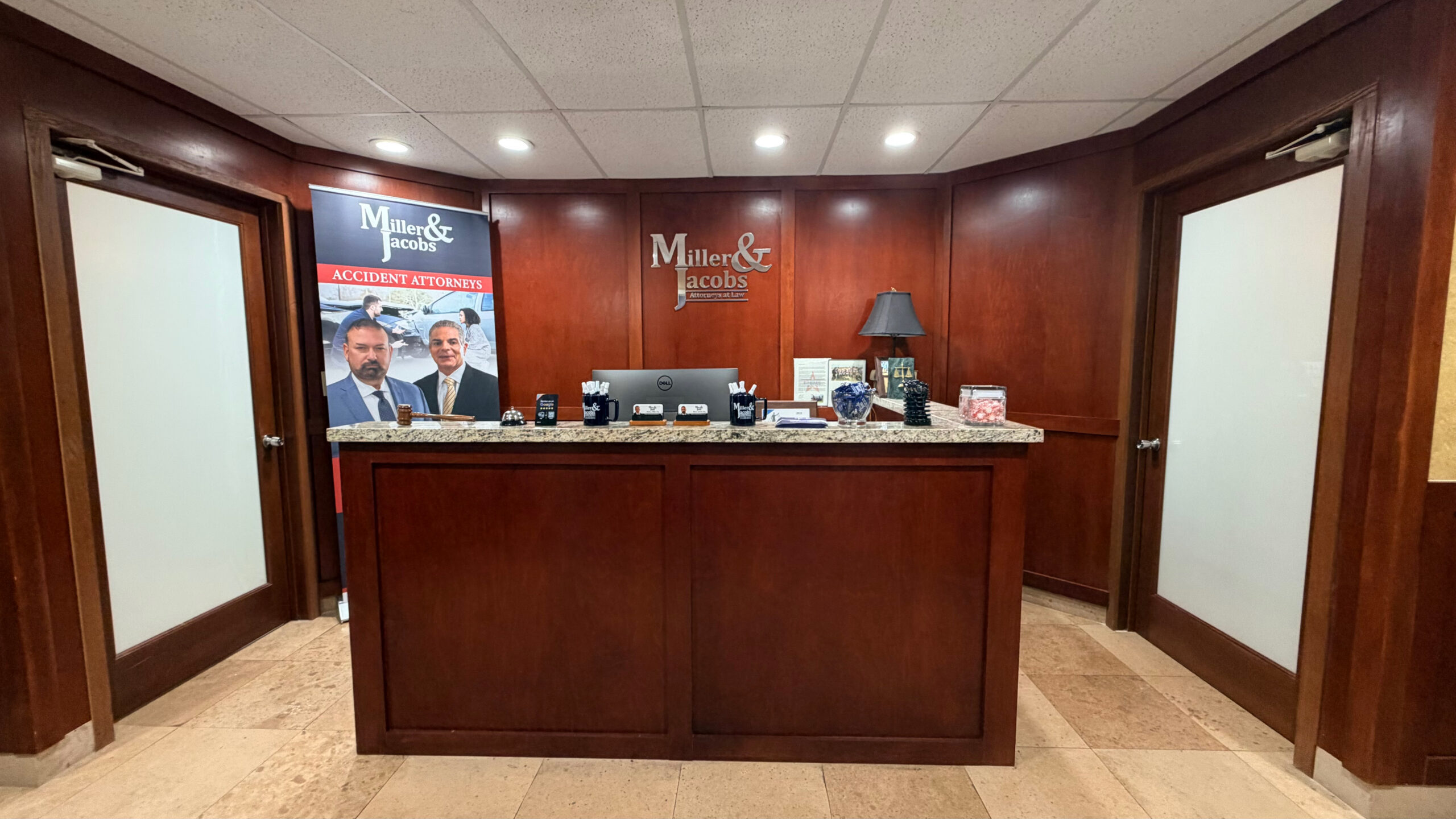
The Pompano Beach office evaluates matters involving possession, alleged intent, searches, prescriptions, controlled buys, laboratory evidence, trafficking thresholds, and related charges when the firm can accept the representation.
You are not expected to know every answer. Preserve what you have and avoid changing or posting possible evidence.
Bring the arrest affidavit, notice to appear, booking information, property receipt, release conditions, case number, and hearing dates.
Include warrants, consent forms, inventories, towing records, vehicle or lease details, room assignments, and others with access.
Preserve the original prescription container, pharmacy and provider information, and records that may explain lawful possession. Do not move the medication.
Keep full messages, account records, photographs, video, witness names, and a factual timeline prepared for counsel.
The substance, quantity, location, search, access, statements, laboratory record, criminal history, and exact charge can change the answer. These are starting points, not promised results.
Ask about the specific allegation →