Nursing home neglect help from a Pompano Beach firm
You trusted the facility with your mother, father, spouse, or grandparent because they needed care your family could not provide alone. When that trust is answered with bedsores, falls, dehydration, fear, infection, or a sudden decline, the hurt is personal.
Miller & Jacobs will listen to what your family saw, protect the record, and fight to hold the facility and every responsible company accountable.
Free and confidential consultation. No attorney fee unless compensation is recovered for your family.
Pompano Beach
Headquarters
Local access from South Federal Highway
50+
Combined years
Both partners admitted to The Florida Bar in 1995
230+
Combined jury trials
Reported courtroom experience across the partners
Free
Confidential consultation
No attorney fee unless compensation is recovered
Trust what you know about them
Not every bruise, infection, or fall proves neglect. But families should not be pressured to ignore a pattern, accept a vague answer, or blame age for every preventable injury.
You are allowed to ask what happened. You are allowed to request records. You are allowed to expect the facility to explain why the care plan, staffing, supervision, medication, or response did not protect the person you love.
Changes that deserve a closer look
These signs do not prove neglect by themselves. They are reasons to compare what you are seeing with your loved one’s baseline, care plan, staffing, and the facility’s response.
01
New redness, open wounds, infection, or missing explanations about turning, nutrition, and wound treatment.
02
Repeated falls, ignored risk assessments, missing assistance, improper lift use, or a story that does not match the injury.
03
Untouched meals, poor feeding help, swallowing concerns, low fluid intake, or a decline that staff did not escalate.
04
Unusual sleepiness, confusion, missed doses, wrong medication, chemical-restraint concerns, or a sudden change in alertness.
05
Fever, wound infection, pneumonia, urinary infection, abnormal labs, or sepsis after warning signs were minimized.
06
Flinching around staff, unexplained injuries, sexual harm, elopement, isolation, financial exploitation, or a resident saying they are afraid.

Start with safety
If your loved one is in immediate danger, call 911 or seek emergency medical care. Once they are safe, preserve what you can without increasing the risk or delaying treatment.
01
A hospital or outside provider may document injury, infection, dehydration, medication effects, or a sudden decline.
02
Photograph wounds, bruises, bedding, the room, equipment, meal trays, medication lists, and conditions that may change.
03
Note who you spoke with, what the resident said, when symptoms appeared, and how the facility responded.
04
Keep care-plan papers, discharge instructions, messages, clothing, medication packaging, and witness information.
This is not your fault
You were not supposed to supervise every shift, verify every medication, or stand beside every call light. The people paid to provide care were responsible for recognizing risks and responding when your loved one changed.
✓
Your concern deserves to be heard.
✓
Your loved one deserves safety and dignity.
✓
The facility should have to explain what happened.
Your concern does not need to be perfectly organized
We can help identify the records, people, and questions that matter next. You do not have to confront the facility or solve the case before you ask for help.
The full care story
A facility may point to one diagnosis or one note. A careful investigation compares what the resident needed, what the care plan required, what staff actually did, and what happened when the resident began to decline.
BASELINE
Mobility, skin risk, cognition, nutrition, swallowing, medication, toileting, behavior, and supervision needs establish the starting point.
CARE PLAN
Assessments, physician orders, therapy recommendations, fall precautions, turning schedules, feeding assistance, and monitoring should shape daily care.
BEDSIDE RECORD
Medication records, treatment sheets, wound charts, meal and fluid records, call-light data, transfer logs, and incident reports can reveal gaps.
STAFFING
Schedules, assignments, turnover, agency staffing, training, budgets, and management communications may explain repeated failures.
OUTSIDE EVIDENCE
EMS records, hospital findings, family photos, former employees, other residents, and lawful video may contradict or confirm the facility chart.
RESPONSE
Physician notification, escalation, treatment, transfer timing, internal review, and later explanations can show whether warnings were recognized or ignored.
Follow the decisions, not only the logo
Responsibility depends on who controlled the care, employed or supervised staff, set policies and budgets, supplied medication or services, and caused or contributed to the harm.
01
Care plans, bedside care, supervision, documentation, and response.
→
02
Budgets, staffing models, training, audits, and operating policies.
→
03
Physicians, pharmacies, wound care, therapy, staffing, and transport.
→
04
Corporate control, coverage, and the entities behind the facility.
A treatment decision, delayed diagnosis, medication-management failure, or physician response may also create a separate medical malpractice question.
We trace the relationships and records before accepting the facility’s claim that one employee or one unavoidable condition explains everything.
What accountability can protect
Every claim is different. The record must connect the failure to the injury, treatment, loss, or death being claimed.
01
Emergency treatment, surgery, wound care, infection treatment, specialists, medication, rehabilitation, and supported future care.
02
Relocation, private-duty help, therapy, equipment, transportation, and additional assistance when legally recoverable.
03
Physical pain, emotional distress, humiliation, isolation, disfigurement, disability, and loss of independence or enjoyment of life.
04
When neglect contributes to death, the estate and eligible survivors may have claims under Florida law. Learn about Pompano Beach wrongful death claims.
Florida resident rights
A resident does not surrender dignity, privacy, choice, or the right to appropriate care because they need help with mobility, medication, memory, or personal care.
Care should respond to assessed needs, the care plan, physician orders, and changes in condition.
Residents have the right to be free from abuse, neglect, exploitation, and improper restraints.
Residents should receive information about their condition and participate in decisions as the law allows.
Families and residents may raise concerns without coercion, discrimination, or reprisal.
Do not let the procedure become another surprise
Deadline
Chapter 400 generally uses a two-year limitations period tied to the incident or its discovery, with other limits and exceptions that require case-specific review.
Presuit
Before suit, written notice generally triggers a 75-day evaluation period and related procedures.
Facility type
Nursing homes and assisted living facilities are not governed by identical statutes. The license, claim theory, and responsible parties matter.
This is general information, not a deadline calculation. A family should not wait for every medical answer before asking which records and deadlines apply.
Pompano Beach headquarters
Miller & Jacobs meets families at its Pompano Beach headquarters and can also speak by phone or video. The firm’s Pompano Beach personal injury lawyers investigate resident rights, medical evidence, corporate responsibility, and the specialized Chapter 400 process.
1600 S. Federal Highway, Suite 1101
Pompano Beach, FL 33062
Experience the facility can check
Mark Miller and Rick Jacobs bring backgrounds in prosecution, insurance defense, civil litigation, negotiation, and jury trials. We listen carefully, demand the records that should exist, and prepare to challenge excuses that blame age, dementia, or “unavoidable decline.”
$150M+
Reported recoveries
50+
Years combined
230+
Combined jury trials

Partner
Former Assistant State Attorney, former insurance-defense lawyer, and more than 70 reported jury trials.
Mark Miller’s Bio →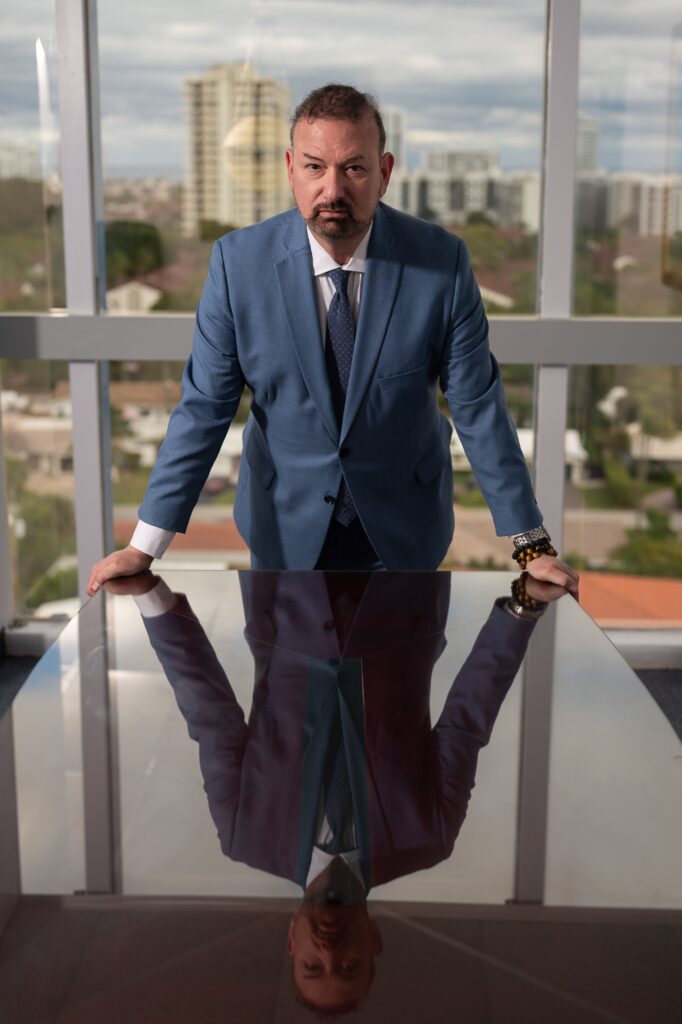
Partner
Former Miami-Dade Assistant State Attorney with more than 160 reported jury trials.
Rick Jacobs’s Bio →Past results do not guarantee a similar outcome. Every matter depends on its facts, evidence, injuries, responsible parties, available coverage, and applicable law.
Your next step can be simple
Start with the concern that brought you here. We will listen, identify the records that matter, and explain what the evidence may support.
Questions families ask before they call
These answers are general. The resident’s condition, facility license, records, injuries, authority to act, and legal theory can change the analysis.
Related Pompano Beach resources