By Miller & Jacobs Car Accident Attorneys
After a crash at a Pines Boulevard crossing, start with the light, lane and path each driver used. Save your original photos and dashcam files, and ask promptly whether nearby cameras kept video. Local road plans can add context, but they do not prove who caused your crash or rank the city's most dangerous intersections.
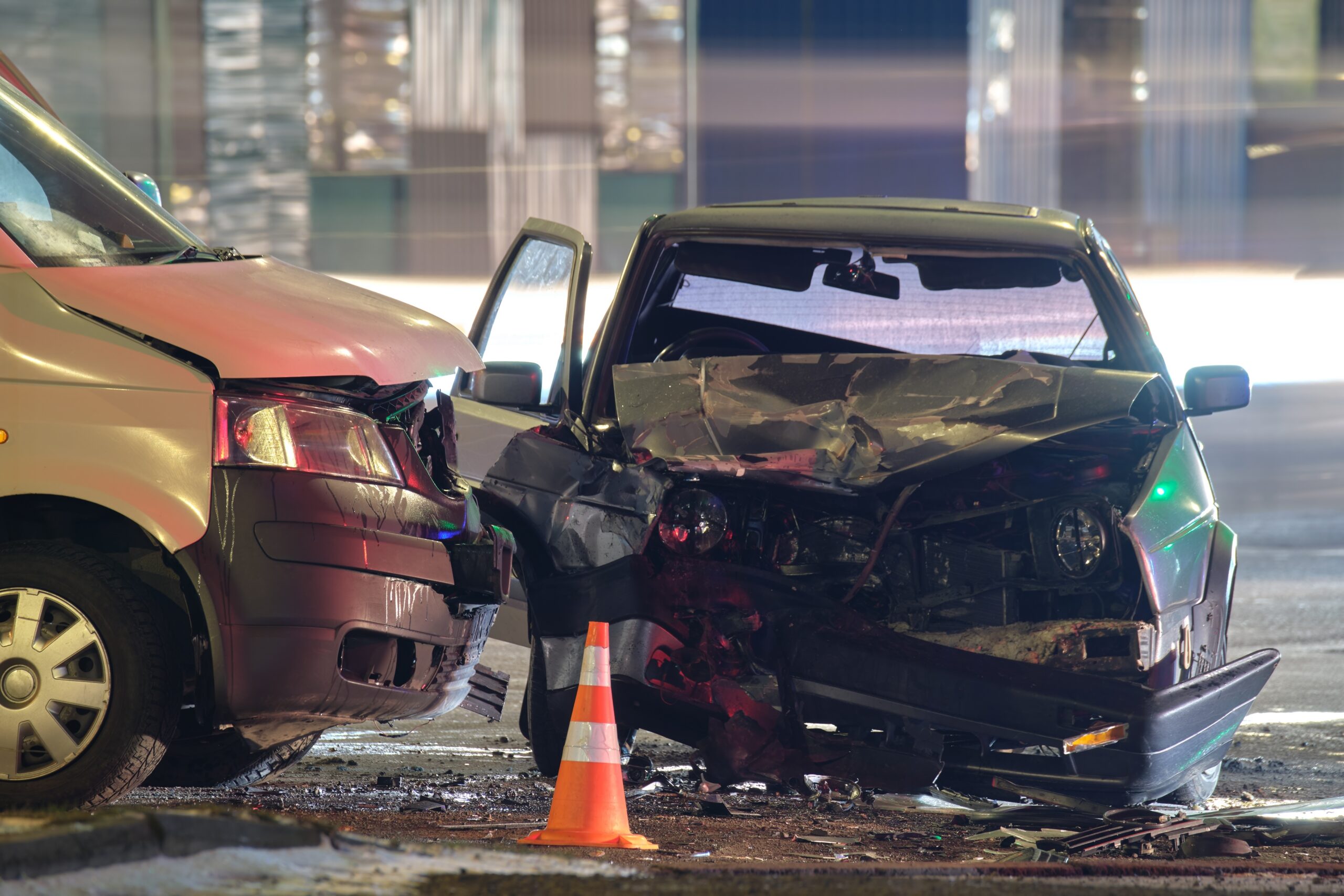
An intersection name leaves gaps. Note the road you approached on, your direction, your lane and whether you were turning. Sketch the path of each vehicle as you remember it. Separate what you saw from what someone later told you.
Save views of the approach, lane arrows, stop line, crosswalk and vehicle damage. Take photos only from a safe place.
Keep names and contact details. Ask where each person was and what they could see, including the light for your approach.
Keep the full dashcam video and original photos. Make a copy before clipping or marking them.
Keep the report number and agency name. Note any account or diagram you believe is wrong, with evidence that supports a correction.
Date any photos taken later. They show conditions when you took them. For earlier signs or lane markings, seek records from the crash date.
Give the owner the date, time range, crossing and direction of travel. Ask promptly about saved footage and how it can be kept. Retention periods vary. A useful recording may not exist.
The timing and turn-signal plan for your crash date.
Available outage, repair or maintenance records for your approach.
A temporary traffic plan if road work affected the crossing.
Ask which agency holds the records. The city name in an address does not prove who maintained the signal. A timing plan explains how the light was set up. Other evidence may be needed to show what it displayed at impact.
Photos and plans from the time of the crash help establish the lanes and signs you faced.
If your crash involved a ramp, lane shift or work area, ask for the traffic plan for that place and day. Future plans do not prove the conditions during an earlier crash. Dates and plans can change.
A danger ranking needs a separate comparison of crash data. Check the dates, area, severity and traffic volume before relying on a count. Corridor totals may include other crossings and driveways. No current, comparable ranking of Pembroke Pines intersections was verified for this article.
If the other driver remembers a different light, it can leave you unsure whose account will be believed. Start with what you saw and the records still available, one piece at a time.

Start with what the records can prove about your crossing and date. Keep the originals, document gaps and ask promptly about video. A road plan, crash count or report can add context; each has limits when you work out what happened.

Build a file of crash records, medical bills, insurance letters and lost-income proof.

Bring the crash date and key claim details when you review the filing deadline.