

Partner
Mark J. Miller
Mark's biography describes work in insurance defense and prosecution before his plaintiff-side practice. That background informs the firm's evaluation of liability disputes and insurance positions.
After an injury on the water
A Fort Lauderdale boating injury can involve a private vessel, a rental, or a charter, with important differences in evidence and governing law. Miller & Jacobs reviews the trip, the participants, and where the event occurred before evaluating responsibility and deadlines. Save the booking and vessel information along with the incident records; a boat claim should not simply use the car-accident checklist.
Your consultation is free. No attorney fee is owed unless compensation is recovered for you. The written fee agreement explains fees and costs.
Reported Recoveries for Injured Clients
Combined Legal Experience
Combined Jury Trials Across Their Careers
Experienced Trial Attorneys
After the incident
Obtain appropriate emergency and medical assistance. Florida law also imposes duties on vessel operators after qualifying incidents. Evidence collection should not interfere with rescue, necessary care, or official reporting.
Retain the responding agency, report number, exact location, and available vessel-registration or operator information. Florida section 327.30 addresses assistance and reporting duties. The agency record may be important but does not necessarily decide civil fault or coverage.
Keep booking confirmations, passenger tickets, rental terms, waivers, and messages with the operator. Note the vessel and who was operating it. Contract terms can affect the claim, including notices and filing issues; retain the full document rather than only a confirmation screenshot.
Photographs, witnesses, navigation information, operator communications, and equipment condition may matter. A lawyer can assess preservation requests to the vessel owner or commercial operator. Do not alter equipment or assume electronic records will remain available indefinitely.
Responsibility on the trip
We examine the conduct alleged and its connection to the injury. An operator's actions, vessel condition, or another participant's conduct may require review. Commercial involvement does not automatically establish negligence by every business associated with the trip.
Speed, lookout, maneuvering, wake, and conditions may be relevant depending on the event. Witnesses, recordings, damage, and navigational records can help assess conflicting accounts. A regulatory violation may inform the inquiry, but the governing claim still needs a causal connection.
Who supplied the vessel, selected or employed the operator, and undertook maintenance can matter. The agreement and actual activities should be reviewed together. A rental label or waiver does not automatically answer every duty, enforceability, insurance, or liability question. For a private loan, see who may be liable when a guest crashes a borrowed boat.
Equipment failures, boarding arrangements, and another vessel's conduct may raise additional issues. Preserve the item and identify who serviced it when possible. Each potential claim needs its own basis; an injury on a boat does not make the owner an automatic insurer of safety.
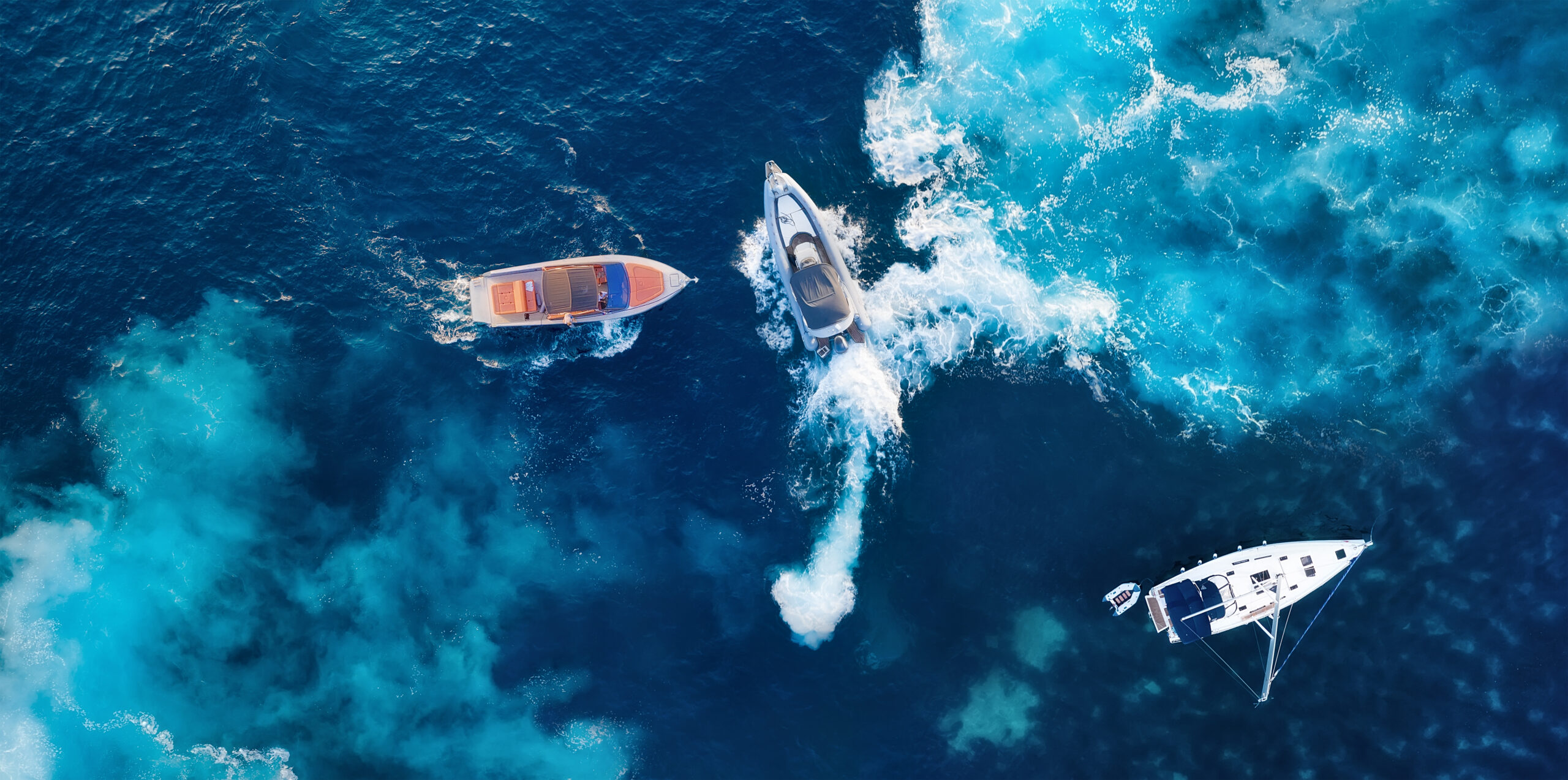
When a day on the water changes daily life
Care may continue long after the trip ends.
A visitor may receive initial treatment locally and follow-up care at home. Keep the names of both sets of providers, the incident history, and restrictions. A return journey should not leave a gap between the event and the documented injury.
Save necessary travel expenses, missed-work information, and an accurate account of daily limitations. A boating claim needs supported losses and the correct legal framework. Neither the size of the vessel nor a memorable trip description establishes a settlement value.
Which law applies?
Federal maritime law may apply when the location and activity meet its requirements. Some events are governed by Florida law. A local address alone does not choose the framework, and the difference can affect deadlines, defenses, and available remedies.
Many current Florida negligence actions have a two-year period under section 95.11. Other state theories and circumstances may differ. If Florida comparative-fault law governs a covered negligence claim, section 768.81 can affect recovery, including a bar above 50% claimant fault.
For maritime personal-injury or death tort claims, 46 U.S.C. section 30106 generally provides three years unless law supplies another rule. Whether the claim is maritime requires review. Do not assume every canal, lake, dock, or recreational incident receives that period.
Passenger-ticket terms can contain shorter notice or suit requirements where legally enforceable. Crew or worker status can also raise different rights. Have the full documents reviewed promptly; a general statutory period may not be the only timing issue.
A free consultation
Call 954-465-8733 for a free consultation about a boating injury, charter or rental documents, insurance, and timing. Fees and costs are explained in the written agreement if the firm accepts the matter. No recovery or timetable is guaranteed.
The practical assessment
The evidence should explain both the event and its consequences. Our Fort Lauderdale injury overview provides general context, while the boating claim needs its own law, contract, and coverage review.
Keep treatment records, restrictions, necessary expenses, earnings information, and supported future recommendations. Tell clinicians how the event occurred. An injury claim should distinguish present losses from future needs and avoid treating an unresolved prognosis as a guaranteed expense.
Vessel, commercial, or other liability policies may be relevant, subject to terms and exclusions. Keep insurer letters and claim numbers. The existence of a policy does not establish coverage, and substantial damages do not automatically increase its limits.
Identify who is being released, which claims are included, and whether contractual or legal deadlines remain. A consultation can address missing records and the offer's practical consequences. Negotiation or litigation depends on the supported facts; neither guarantees a particular payment.
Miller & Jacobs
Partners Mark J. Miller and Rick S. Jacobs serve Fort Lauderdale clients from the firm's Pompano Beach office. Your consultation can address the evidence, the applicable claim, and the decisions ahead.
Partner
Mark's biography describes work in insurance defense and prosecution before his plaintiff-side practice. That background informs the firm's evaluation of liability disputes and insurance positions.

Partner
Rick's biography describes his service as an Assistant State Attorney in Miami-Dade County and his trial work. Read the published background for details of his professional experience.
Our South Florida office is at 1600 S Federal Highway, Suite 1101, Pompano Beach, FL 33062. Call 954-465-8733 before visiting.
Your questions
No. Some incidents fall under federal maritime law, depending on the location and connection to maritime activity. The vessel, trip, injured person's status, and contracts may also matter. The governing framework should be identified before using ordinary Florida negligence deadlines or defenses.
Save the complete agreement, passenger ticket, waiver, booking confirmation, operator messages, vessel information, and payment records. Contract terms can affect notices, filing, and other issues. A short confirmation may omit important provisions, so retain every page or the original electronic version.
Section 30106 generally supplies three years for maritime personal-injury or death tort claims unless another law provides otherwise. It is not a universal period for every water-related incident. Enforceable ticket terms and other legal frameworks may raise additional timing issues, so prompt review is important.
Section 327.30 requires prompt notification after qualifying incidents, including death, certain disappearances, injury requiring treatment beyond immediate first aid, or aggregate damage of at least $2,000. It also addresses assistance and identification duties. Emergency help and reporting should be handled promptly through the appropriate authorities.
Not necessarily. The document, governing law, circumstances, and claim determine its effect. A waiver may raise important defenses without resolving every possible issue. Save the full agreement and avoid assuming either that it is automatically valid or that it has no consequence.
Tell us where the event happened, who operated the vessel, and where you now receive care. Living elsewhere does not automatically rule out a local claim. Call 954-465-8733 for a free consultation, and keep both the trip documents and later treatment records.
Related guidance