
Partner
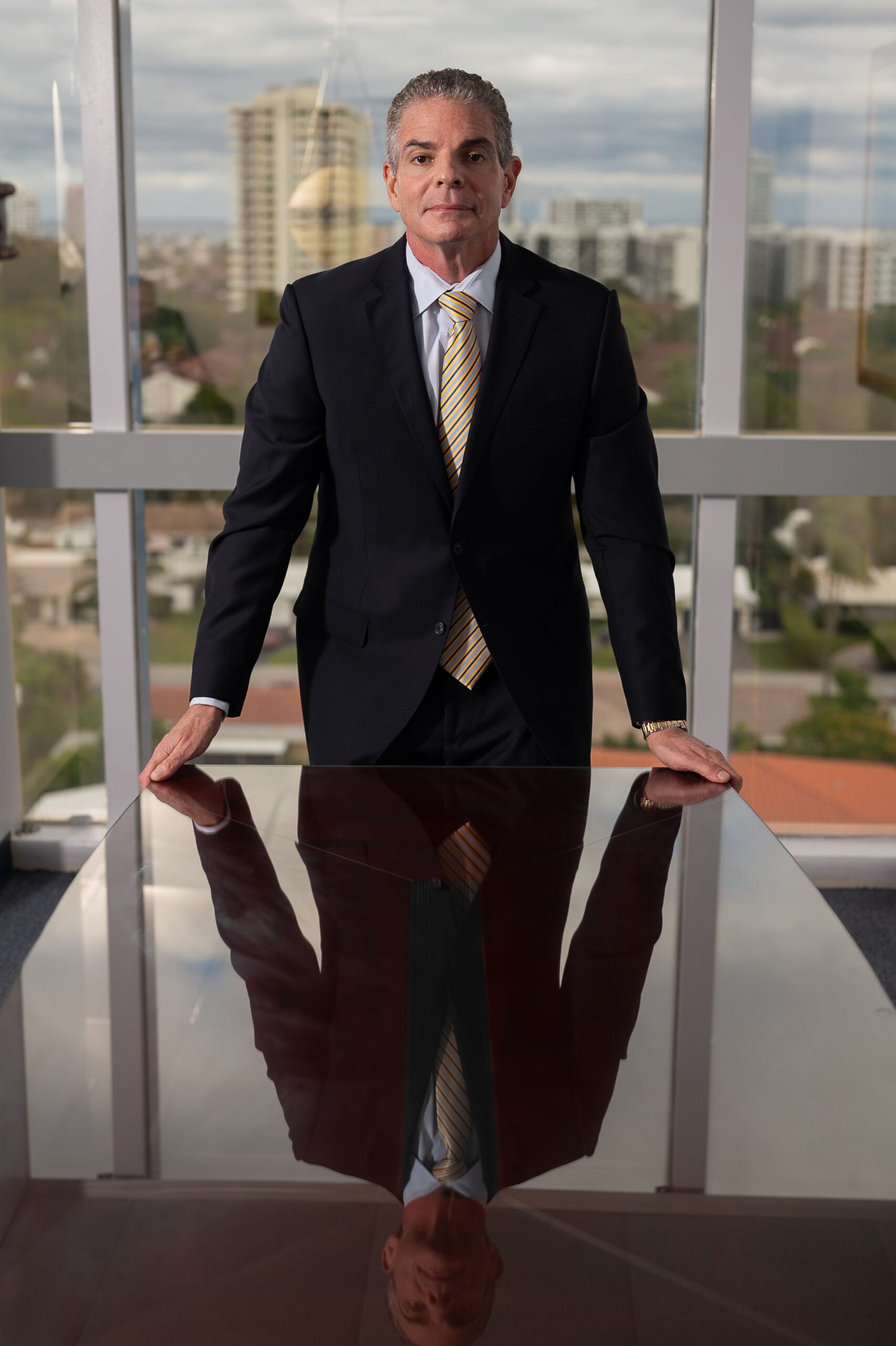
Mark J. Miller
Mark's biography describes work in insurance defense and prosecution before his plaintiff-side practice. That background informs the firm's evaluation of liability disputes and insurance positions.
The bicycle may go back. The injury goes home with you.
Miller & Jacobs helps cyclists injured in Fort Lauderdale review the collision, available insurance, and the effect on their lives. If the crash interrupted a beach ride, a rental, or your daily route, we can begin with the records you have and explain the next decision.
The consultation is free. No attorney fee is owed unless compensation is recovered for you. The written agreement explains fees and costs.
Reported Recoveries for Injured Clients
Combined Legal Experience
Combined Jury Trials Across Their Careers
Experienced Trial Attorneys
Before a bicycle is repaired or returned
Get necessary medical attention first. A bent wheel, damaged helmet, rental receipt, or photograph of the approach may later help explain the impact. A crash along A1A or near a Las Olas driveway needs the actual movements, not an assumption based on the street name.
Keep it in its post-crash condition when practical, including loose parts and lights. Photograph damage before repairs. Tell us if a shop, tow operator, or insurer has possession, and keep storage notices. We can assess a reasonable preservation request without promising that every repair must wait indefinitely.
Save the booking, bicycle number, agreement, and messages to the operator. Ask how the damaged bicycle will be handled and document its condition before returning it. Do not ignore the rental terms or storage charges. A lawyer can discuss preservation with the relevant business.
Retain original phone photographs and any ride-tracking file. A route map can be a useful lead without proving a precise speed or location by itself. Keep witness contact details and the report number. Do not edit the recording or recreate a scene you could not photograph.
The movement that caused the collision
We compare the rider and driver accounts with damage, roadway markings, and available recordings. The relevant question is how the collision happened and whether a failure of care caused the injury. Being on a bicycle does not decide fault.
Florida law requires a driver overtaking a bicycle to allow at least three feet in the covered circumstances. The passing rule also addresses waiting when a safe pass is not possible. We examine the actual clearance and surrounding traffic; a statutory rule still needs facts connecting the conduct to the crash. For a fall after an unsafe pass, see Florida’s 3-foot passing rule and crash evidence.
The location of the bicycle, a vehicle entering its path, and any warning or sight obstruction matter. Wider scene photographs and a nearby business camera may show information missing from a close-up damage image. We identify possible record holders without assuming video was recorded or retained.
The bicycle regulations include circumstances where a rider may move away from the right edge or bicycle lane to turn or avoid a hazard. Give the full explanation for your path. We also assess signals, lighting, and other relevant duties, rather than treating an exception as automatic proof of fault.
For the broader local claim process, see our Fort Lauderdale personal injury guide. It connects crash-specific help with other injury concerns.

After the ride ends
Getting back on a bicycle may be the last thing on your mind.
A wrist injury can make carrying a bag, cooking, or finishing a shift harder long after the bicycle is repaired. Tell us which ordinary task changed and what your provider has advised. The injury claim should reflect those supported effects.
Coverage for a person outside a car
A bicycle injury involving a motor vehicle can raise PIP, liability, health coverage, and uninsured-motorist questions. Those are separate inquiries. We review your residence, household policies, the vehicle, and the incident facts before identifying a potential payment source.
The Florida PIP statute includes rules for people injured while outside a self-propelled vehicle, subject to eligibility and coverage priority. Qualifying initial medical care generally must occur within 14 days for PIP medical benefits. Do not assume that a visitor automatically qualifies under the policy covering the striking vehicle.
The insurer for the driver may examine fault, causation, and the documented losses before resolving a claim. The bicycle repair payment and an injury release can address different matters. Keep each offer and ask what rights it would close before agreeing to a payment that includes broad release terms.
An applicable uninsured or underinsured motorist policy may offer another avenue, subject to its terms, exclusions, and notice requirements. Save the complete policy and insurer letters. A hit-and-run or serious injury does not by itself establish coverage or the amount available.
A free consultation
Call about the pressing decision. We can review what is known about the Fort Lauderdale bicycle crash and explain which records or policy documents would help next.
When your care continues somewhere else
If you leave Fort Lauderdale after the crash, tell us where you are receiving follow-up care. The first conversation can happen by phone. We can connect local incident records with later treatment without asking you to make repeated trips simply to start a review.
Give treating providers an accurate account of the impact and when symptoms appeared. Follow their instructions and keep referrals and discharge papers. A provider determines appropriate care; we do not diagnose an injury from bicycle damage or a photograph.
Keep employer records, missed work, medical restrictions, and necessary transport receipts. Explain why a cost arose because of the injury. A canceled activity or changed flight is not automatically recoverable, but the supporting explanation helps assess whether it belongs in the claim.
Use the agency named on the exchange or incident paperwork. The crash location alone does not tell you who holds every record. Keep your reference numbers in one file so a later request can identify the event without starting the account again.
From an account to a supported decision
We begin with your account, identify missing records, and evaluate the available evidence and insurance. An offer needs to be considered against the supported injury losses and what is still uncertain about recovery.
We assess witnesses, available video, the bicycle condition, and relevant ownership or rental information. Preservation and access are different issues. A business may need an appropriate request or a later discovery process before material can be reviewed.
In negligence actions governed by Florida comparative-fault law, a share of fault can reduce recovery and more than 50 percent fault can bar it. The applicable law and incident date matter. We test a blame claim against the facts rather than accepting a percentage in an insurer letter.
Many current Florida negligence claims have a two-year filing limit under section 95.11. The claim type, date, and exceptions need review. Do not wait for a rental company or insurer to finish its process before asking about a deadline or the terms of a proposed release.
Miller & Jacobs
Partners Mark J. Miller and Rick S. Jacobs serve Fort Lauderdale injury clients from the firm's Pompano Beach office. Their published biographies explain the courtroom experience behind their assessment of disputed claims.
Partner
Mark's biography describes work in insurance defense and prosecution before his plaintiff-side practice. That background informs the firm's evaluation of liability disputes and insurance positions.
Partner
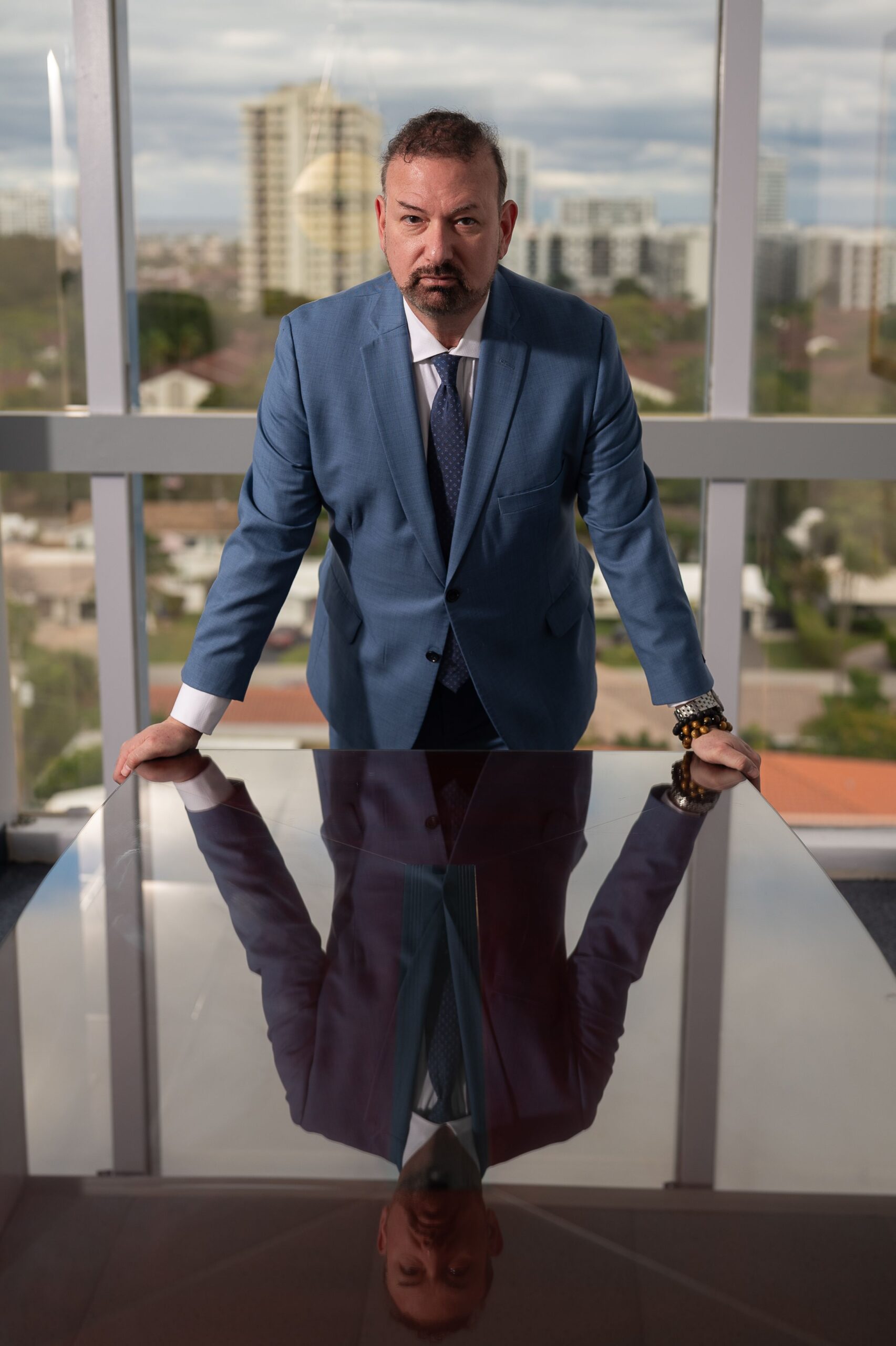
Rick's biography describes his service as an Assistant State Attorney in Miami-Dade County and his trial work. Read the published background for details of his professional experience.
Our South Florida office is at 1600 S Federal Highway, Suite 1101, Pompano Beach, FL 33062. Call 954-465-8733 before visiting.
Decisions and practical questions
Yes. Tell us where the crash occurred, who has the bicycle, and where your care is continuing. A phone consultation can begin the review. Later travel or participation depends on the claim and any court requirements.
Not necessarily. Rental obligations, storage, inspection needs, and available documentation need a practical assessment. Save the agreement and photographs, and ask for advice before a significant repair, return, or disposal decision.
Florida section 316.2065 states that failure to wear a bicycle helmet may not be considered evidence of negligence or contributory negligence. The statute separately requires helmets for riders and passengers under 16. Preserve the helmet if you wore one; injury causation and other disputed facts still need review.
A citation is not the only source of evidence. The civil review can include witness accounts, recordings, physical damage, and applicable duties. A lack of a ticket does not guarantee or defeat a claim by itself.
The answer depends on the actual coverage. Bicycle property coverage, health benefits, PIP eligibility, and a liability claim are different matters. Bring the policy or insurer letter rather than relying on the policy name.
It depends on what you accepted or signed. A property payment may be separate from an injury release, but broad terms can affect other rights. Keep the check paperwork and complete agreement for review.
Related guidance