Serving Miami | Pompano Beach Office
Call Today: 954-465-8733

The business you reported the burn to may not be the only one involved

Miami Burn Injury Lawyer

A burn at a Miami restaurant, rental, workplace, or shared building may involve equipment supplied by one business and serviced by another. The person taking the report may not know what failed. Miller & Jacobs helps trace that chain and review the evidence before an explanation or refund is treated as the end of the matter. Medical care comes first; the legal review can proceed while the source and recovery outlook remain under investigation.

Free consultation. No attorney fee unless compensation is recovered for you, under the fee agreement.

$300M+

Reported Recoveries for Injured Clients

50+ Years

Combined Legal Experience

230+

Combined Jury Trials Across Their Careers

Former Prosecutors

Experienced Trial Attorneys

Trace the source across the businesses involved

Find out who supplied, operated, and serviced what caused the exposure.

In a Miami condo rental, the person taking a booking may differ from the owner or manager responsible for an appliance. A restaurant may own equipment maintained by an outside company. These are questions to investigate, not proof that every party is liable. Keep records showing each role instead of relying on the most visible business name.

Operator

The person or business using the space

Keep the property address, unit or room, receipt, and any rental or service terms. Record who accepted your report and whom they referred you to. A trading name on a receipt may not be the legal name of the operator. Messages can help establish the relationship without resolving fault.
Source

The item and its supplier

Retain labels, model or serial details, packaging, receipts, and photos already available. Note whether the item was supplied with the room, brought in for a service, or bought separately. Do not handle damaged electrical equipment, chemicals, or a hot surface to collect a missing number.

Incident records

The maintenance or service history

Save messages about inspections, previous complaints, or recent work. Identify the contractor if the operator names one. For a fire involving rented housing, our apartment-fire evidence guide explains relevant property and repair records. A contractor’s involvement still needs a link to the alleged failure.

Keep exposure facts separate from medical findings

What touched the person and how serious the injury is are different questions.

An early report may describe hot water, a flame, a chemical, or an electrical event without establishing the precise source. The medical record addresses the injury and treatment. Both records matter, but one does not replace the other. A diagnosis does not prove which business caused the exposure.

Describe the contact you observed

Note where the person was, what made contact, what they were doing, and any instructions given. Use ordinary descriptions where technical facts are unknown. Do not estimate a temperature, chemical strength, or electrical fault merely because a form asks for it.

Let the clinical record describe the injury

Keep the care team’s findings, referrals, restrictions, and follow-up advice. Later records may add details absent from the first visit. Photos can document visible changes, but they do not establish the full depth of injury or predict permanent effects. Do not delay care or remove dressings for an image.

Explain differences between reports

A staff report, witness account, and fire-rescue record may use different terms. Preserve each version and note who supplied the information. An honest correction should explain what changed and why. Do not rewrite the history to force technical agreement before the cause has been examined.

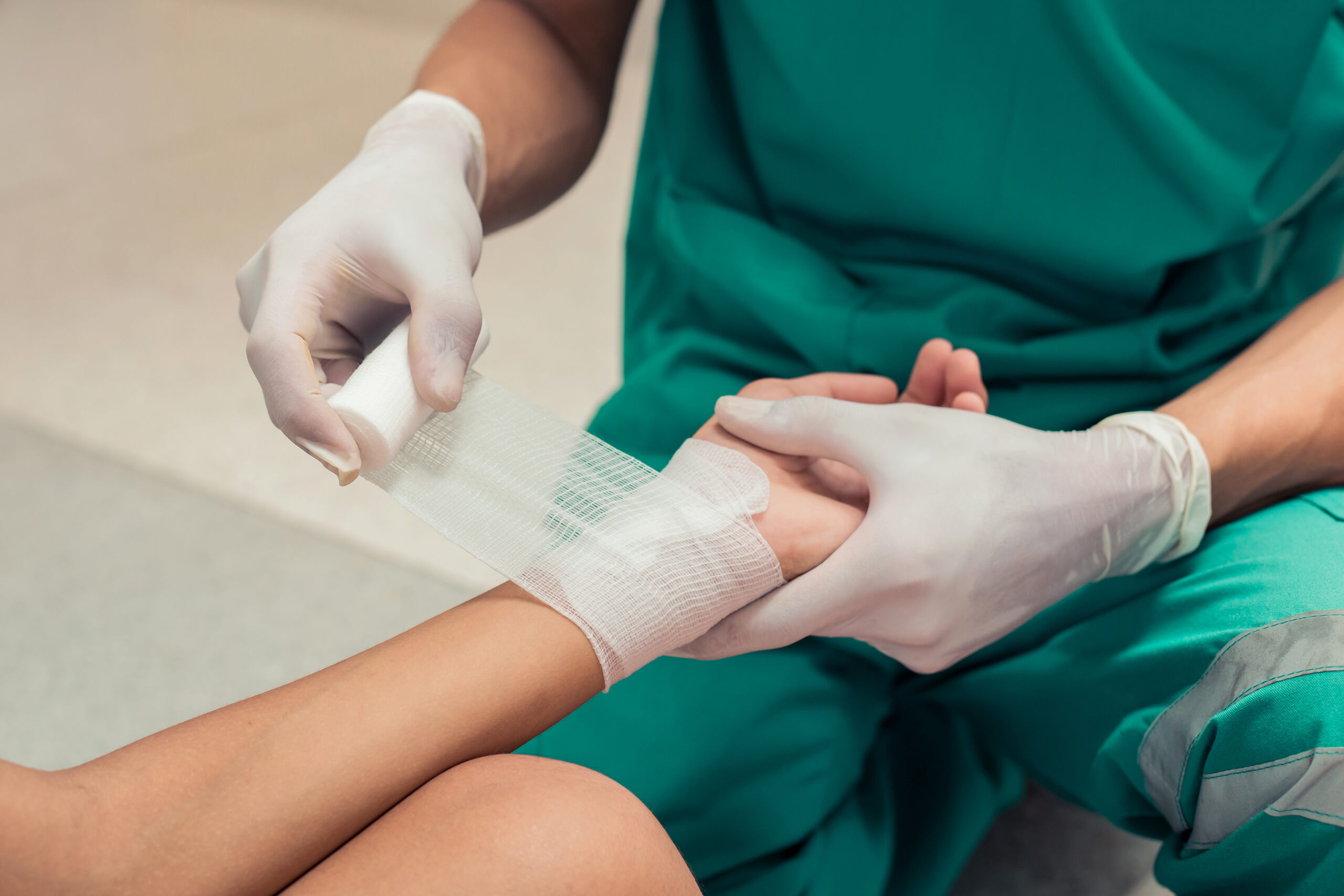
A medical professional in green scrubs and white gloves carefully applies a gauze bandage to a patient's burned hand and wrist

Care can become fragmented while questions about the event continue

Keep the next provider informed without having to prove the legal case first.

Tell each treating provider how the exposure occurred and what symptoms or daily limits you have noticed. If a referral, travel issue, or other barrier interrupts follow-up, keep the dates and explain it to the care team. A gap in records needs context; it should not be filled with invented visits or assumed recovery.

Work, sleep, clothing, movement, or appearance may be affected in different ways. Record the effects you actually experience and seek clinical advice about symptoms. A claim should reflect the developing evidence rather than assume every burn will leave a permanent scar or disability.

Test the proposed explanation

Ask which act or condition connects the source to the harm.

An operator may blame a product; a supplier may point to installation or use. The claim needs evidence that tests those explanations. Buying, owning, or servicing an item does not automatically make a party liable. The duty or other legal basis must fit the facts and the type of claim.

How the item was supplied or installed

Specifications, installation records, instructions, and alterations may help explain the event. A product claim can differ from a claim about unsafe installation. Preserve the item where safely possible and ask about a qualified inspection before repair or disposal changes its condition.

How the source was controlled or used

Review settings, operating instructions, staff actions, warnings, and prior reports relevant to the exposure. For a property condition, who controlled the area and knew of the problem can matter. An injury involving equipment is not itself proof of a defect, and a missing warning does not prove every element of negligence.

A claim that the injured person caused it

Under section 768.81, shared fault reduces damages in covered negligence actions, and more than 50 percent claimant fault bars recovery under the applicable rule. Exceptions and the claim type matter. Compare an allegation of misuse with the instructions, condition, and actual sequence rather than accepting it as settled.

Our Miami personal injury overview explains the wider process. A burn claim also requires this source-specific review, alongside the medical evidence and applicable coverage.

A free consultation

We can start with the businesses named in the report.

Call 954-465-8733 for a free consultation about the exposure and any proposed payment. Bring the reports, receipts, or messages you have. If the firm accepts the matter, the written agreement explains attorney fees and costs. You do not need a finished technical investigation to make the first call.

Our South Florida office is at 1600 S Federal Highway, Suite 1101, Pompano Beach, FL 33062. Call 954-465-8733 before visiting.

View Pompano Beach office directions

An offer before the answers are complete

Identify what remains unresolved before signing away the claim.

A business may offer a refund or payment while the technical cause and medical outlook are still unclear. Read what the agreement closes, which parties it protects, and whether it includes later consequences. A payment’s label does not determine its legal effect. There is no reliable case value based only on a photo or burn category.

01

The missing technical or medical finding

List the questions that remain open: the source, a party’s role, further care, or the expected effect on function. Different specialists may address different questions. A possible future procedure should not be treated as certain, and an unresolved cause should not be described as proven.

02

The losses the records can show

Keep treatment bills, receipts, restrictions, and missed-pay records. Describe pain and changes in daily life with specific examples. Future care needs medical support. Florida’s evidence and damages rules affect what medical costs may be recovered; the face amount of every invoice is not automatically the recoverable amount.

03

The legal calendar despite the unknowns

Many Florida negligence claims arising after March 24, 2023 have a two-year period under section 95.11. Product and other theories can differ, and special defendants or circumstances may add requirements. Check the claim and dates rather than wait for every answer. Treatment or negotiations do not automatically extend the filing period.

Miller & Jacobs

Partners who can review the source and the claim.

Mark J. Miller and Rick S. Jacobs are Partners at Miller & Jacobs. They serve Miami clients from the firm’s Pompano Beach office. Their published biographies explain their backgrounds; your matter depends on its own facts, medical evidence, and legal basis.

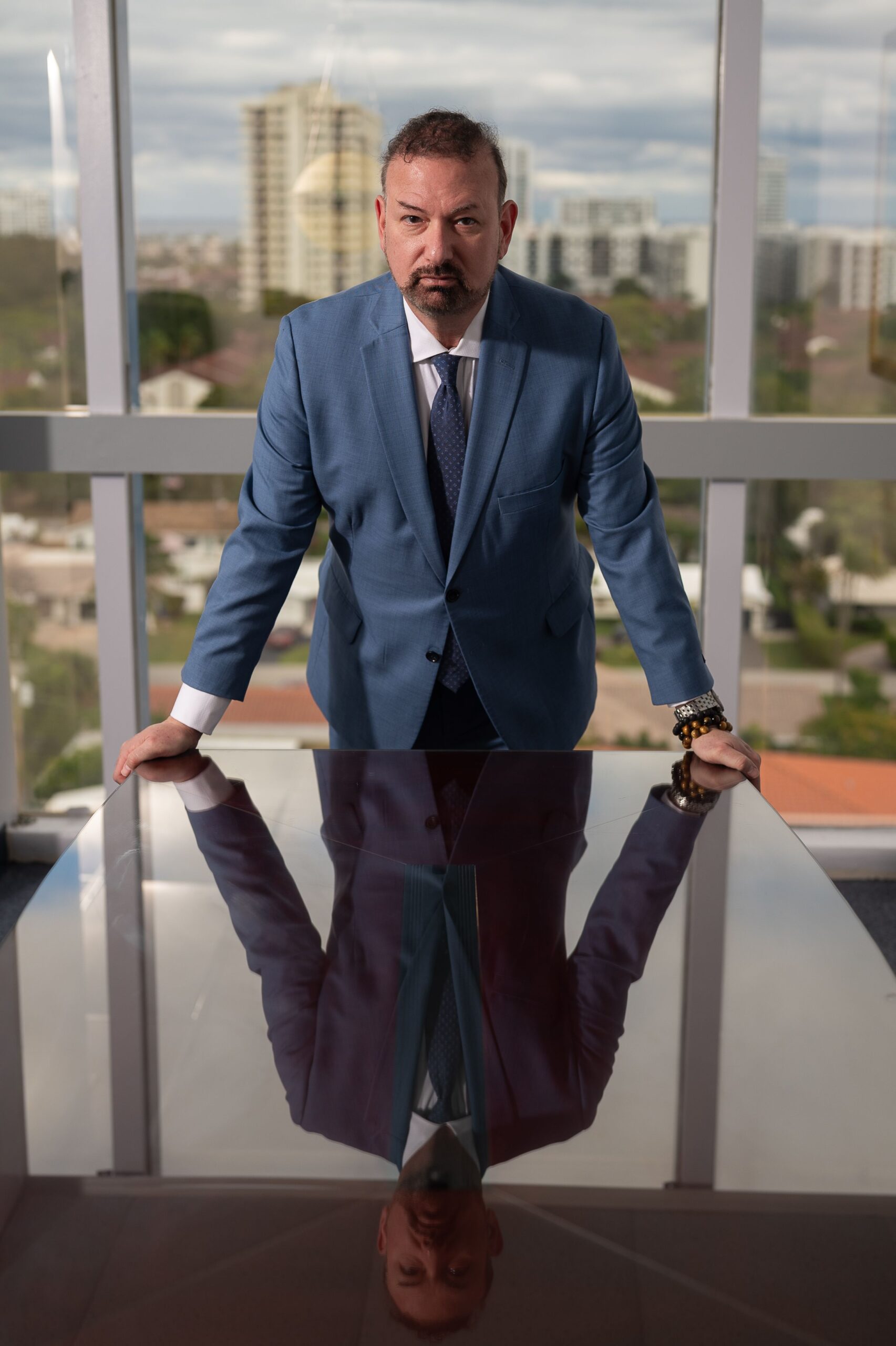
Mark J. Miller, partner at Miller & Jacobs

Partner

Mark J. Miller

Mark's biography describes work in insurance defense and prosecution before his plaintiff-side practice. That background informs the firm's evaluation of liability disputes and insurance positions.

Read Mark’s biography →

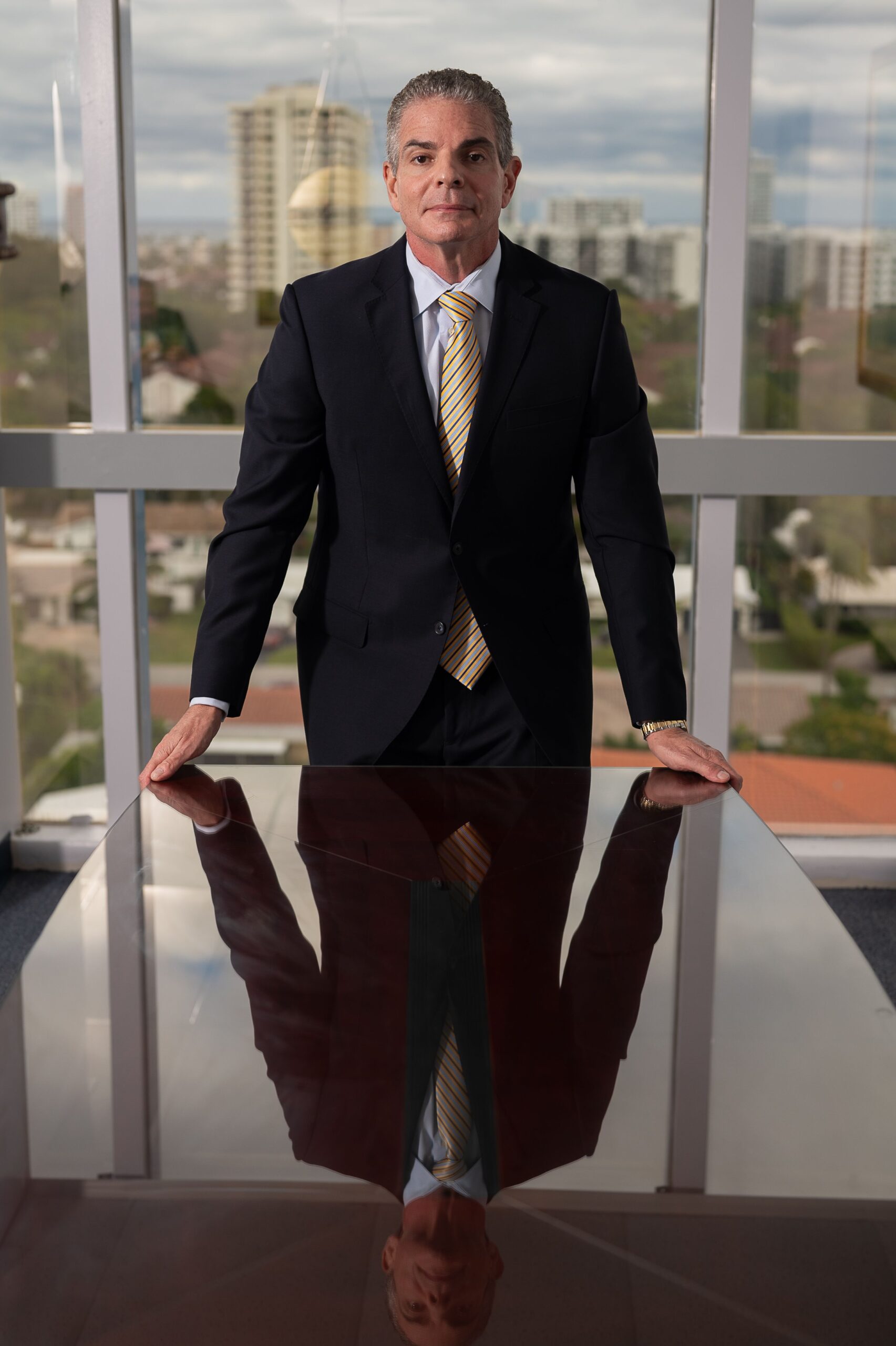
Rick S. Jacobs, partner at Miller & Jacobs

Partner

Rick S. Jacobs

Rick's biography describes his service as an Assistant State Attorney in Miami-Dade County and his trial work. Read the published background for details of his professional experience.

Read Rick’s biography →

Questions about proof

Questions when the cause and later findings are unclear

What if I cannot tell which part of the equipment caused the burn?

Describe the item and what happened without naming a failed component you did not observe. Keep identifying details and any existing images. A technical inspection may be needed to assess the cause. Do not turn the equipment on or recreate the exposure to answer that question.

The staff report and hospital notes name different sources. What now?

Keep both. Explain who supplied each description and what you personally know. Ask the medical provider about correcting a factual error in its record. A difference may need investigation; it is not a reason to alter documents or select the version that seems more useful.

Can the item be identified without a model number?

Sometimes. Receipts, manuals, purchase records, photos, service invoices, or the operator’s records may help. Tell the attorney which details are missing. A similar-looking product online should not be presented as the actual item unless its identity is verified.

What if later symptoms were absent from the first incident report?

Tell the treating team when those symptoms began and keep later records. An initial business report is not a complete medical assessment. The claim still needs evidence connecting the later condition to the event; do not assume either that it is excluded or that the connection is automatic.

The operator now names another repair business. Does that end its responsibility?

Not by itself. The work performed, control, contracts, and alleged failure need review. Keep the referral and any service details. A second business may be relevant without eliminating the first party’s duties or proving the second party caused the injury.

Why does a refund form name suppliers and contractors I never dealt with?

It may be written to release more parties than the business offering payment. Review every named party, covered claim, and reference to future harm. The document may affect claims beyond the refund itself, so do not rely only on how the payment was described.