

Partner
Mark J. Miller
Mark's biography describes work in insurance defense and prosecution before his plaintiff-side practice. That background informs the firm's evaluation of liability disputes and insurance positions.
The driver's account is not the only account that matters
Miller & Jacobs helps pedestrians injured in Miami investigate the moments before the impact, even when emergency care took them away before they could collect evidence. We review the crossing, the vehicle's movement, and available records, then connect that investigation with insurance and the injury's effect on everyday life.
Start with what you know. A complete report or your own auto policy is not required to ask for a free consultation. The written fee agreement explains attorney fees and costs.
$300M+
Reported Recoveries for Injured Clients
50+ Years
Combined Legal Experience
230+
Combined Jury Trials Across Their Careers
Former Prosecutors
Experienced Trial Attorneys
Reconstruct the crossing, not a label
A Miami intersection, garage entrance, or parking aisle presents different visibility and traffic-control questions. We examine the approach, signal, turning path, and timing. Calling someone a pedestrian or saying there was a crosswalk does not by itself resolve the sequence.
Record what you recall about the pedestrian signal and when you entered, without guessing. Florida's pedestrian statute addresses both pedestrian and driver duties. A later photograph shows the layout, not necessarily the signal displayed at impact.
Identify whether the driver turned from the street, reversed, or exited a driveway. The vehicle's path relative to the walking route matters. A possible failure to look must be tested against evidence, not presumed from the maneuver alone.
Describe parked vehicles, lighting, obstructions, and your direction of travel. If the driver alleges sudden entry, witnesses or recordings may help test the timing. Preserve the whole account rather than respond with another unsupported conclusion.
When the injured person could not gather evidence
Start with the date, approximate time, exact location, and what you remember. A hospital record, companion, bystander, responding agency, or nearby business may supply another part of the timeline. We assess what can still be located without promising a recording exists.
Save the exchange sheet, agency name, report number, and any incident information provided during treatment. If one is missing, tell us. Different Miami-area agencies and properties may hold different records.
Keep contact information and distinguish a witness to the impact from someone who arrived afterward. Both may have useful firsthand information, but they answer different questions. Do not ask someone to fill a gap they did not observe.
The crossing direction and a narrow time window help identify potentially relevant cameras or vehicle recordings. A visible camera does not establish that it recorded the event. Preservation and lawful access remain separate steps.
A changed daily route
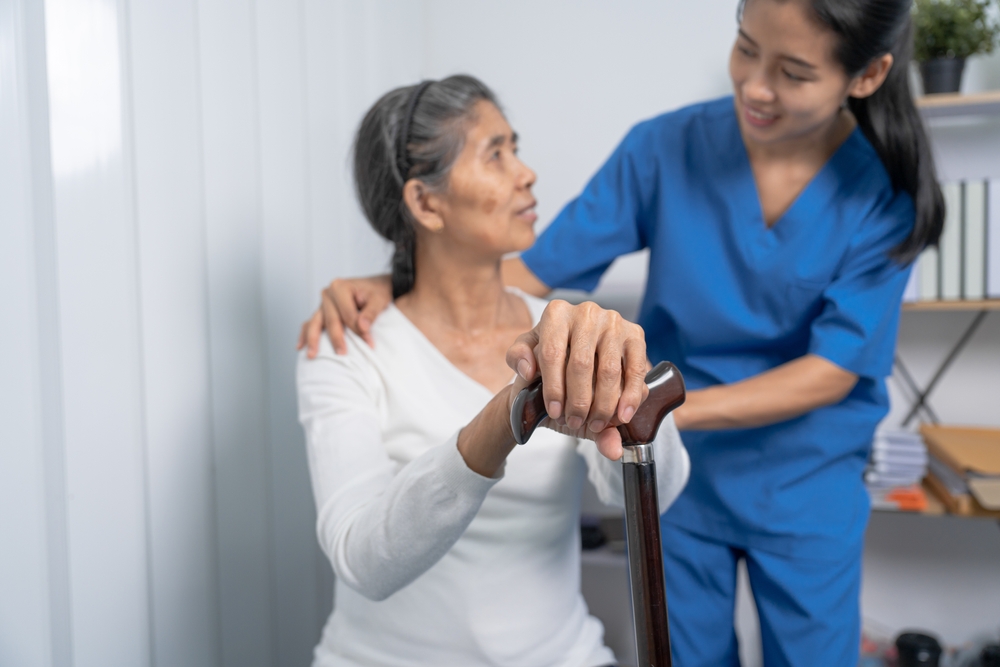
The walk to work was routine. Recovering your independence is not.
Stairs, appointments, errands, and caregiving may now require assistance or transportation. Describe the specific change and keep the medical restrictions and expense records supporting it. The claim should address documented disruption, not just the moment of impact.
Insurance beyond the striking vehicle
Potential benefits can depend on your residence, vehicle ownership, household coverage, and the incident. We review those facts before identifying possible PIP, liability, health, or uninsured-motorist routes. Each has its own terms and limitations.
Bring declarations and correspondence for relevant household auto policies. Florida PIP has eligibility and priority provisions; a visitor is not automatically entitled to benefits from the striking vehicle's policy.
Where PIP medical benefits apply, qualifying initial care generally must occur within 14 days. Other conditions and limits still matter. That benefit requirement is different from the deadline and elements of a liability lawsuit.
Liability coverage and other applicable benefits need separate review, including possible repayment rights. A payment toward an immediate bill is not necessarily a full settlement. Keep the actual agreement and explanation of benefits.
A free consultation
A free consultation can start with the crossing location, treatment information, and insurer's request. We can discuss the next evidence and coverage steps by phone while you focus on recovery.
Our South Florida office is at 1600 S Federal Highway, Suite 1101, Pompano Beach, FL 33062. Call 954-465-8733 before visiting.
View Pompano Beach office directionsA clear record of the consequences
An early record may not describe every limitation that later affects work or mobility. Keep follow-up information and tell us about gaps or changed providers. Accurate context is more useful than a polished account that leaves out earlier conditions or uncertainty.
Describe symptoms to treating providers and follow their directions. Preserve referrals, restrictions, and discharge papers. A legal team evaluates the claim evidence; it does not diagnose an injury from the collision description.
Keep receipts for necessary transportation, assistance, or changed arrangements and explain why they were needed. Not every cost incurred after an injury is legally recoverable. The purpose and connection matter.
Pay records, leave used, reduced hours, and work restrictions can help explain lost earnings. Future limitations need an appropriate evidentiary basis. Review a final release in light of what is known and what remains uncertain.
Our Miami injury overview explains how the firm evaluates responsibility, coverage, and documented loss across incident types.
Review before a final commitment
An insurer's percentage or a traffic citation is not a substitute for reviewing the crossing rules, evidence, and injury consequences. We explain the supported claim and the limits of the evidence before you decide whether to accept an offer.
Signals, markings, location, and entry timing affect the applicable duties. Pedestrians must follow applicable controls, and drivers also owe care. The rules should be applied to the event rather than reduced to an automatic right-of-way slogan.
Comparative-fault rules can reduce recovery and, where applicable, bar it above 50% responsibility for one's own harm. Particular auto-related damages may also involve statutory thresholds. We assess which rules govern the actual claim.
Many negligence claims accruing after March 24, 2023 have a two-year lawsuit period under section 95.11. Other claim types, parties, and exceptions can alter requirements. Public-entity issues or policy notices may need earlier attention.
Miller & Jacobs
Partners Mark J. Miller and Rick S. Jacobs lead the firm's injury work. Miami clients are served from the Pompano Beach office. Their professional biographies describe their backgrounds without promising an outcome for your pedestrian claim.
Partner
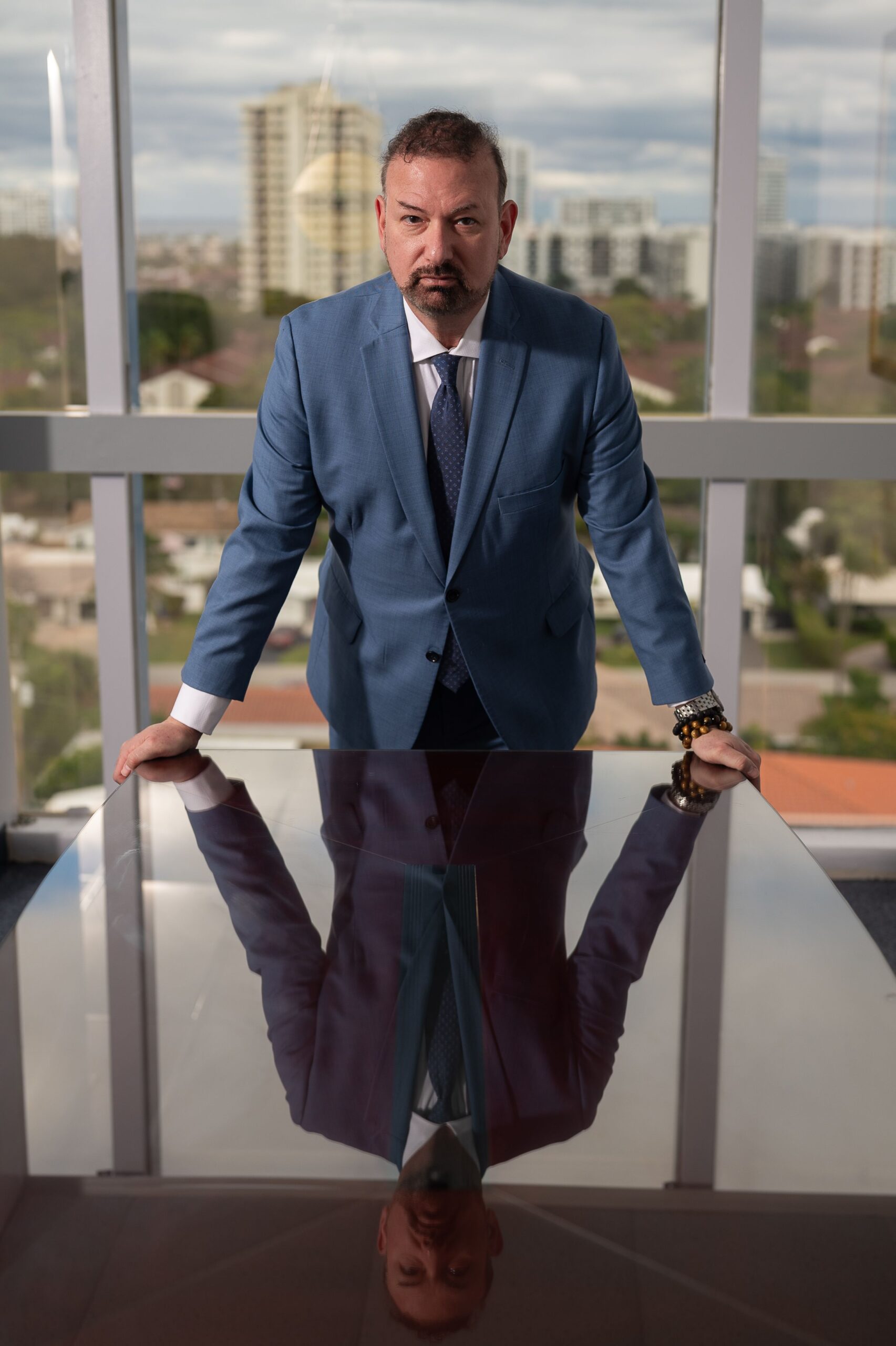
Mark's biography describes work in insurance defense and prosecution before his plaintiff-side practice. That background informs the firm's evaluation of liability disputes and insurance positions.
Partner
Rick's biography describes his service as an Assistant State Attorney in Miami-Dade County and his trial work. Read the published background for details of his professional experience.
Decisions and practical questions
Yes. Tell us what you remember and what you learned afterward. Witnesses, scene evidence, and available recordings may help establish the approach. Do not guess the missing movement to make the account sound complete.
No. The controls, entry timing, vehicle movement, and applicable duties still require review. A crosswalk is important context, but it does not replace investigation of the complete sequence.
Yes. Ownership of a car is not a condition for an initial consultation. Coverage may involve the driver, household policies, or other sources, subject to eligibility and terms. We review the available options rather than assume there are none.
Their firsthand observations about the aftermath may still help. They should not describe the impact as if they saw it. Separating those perspectives supports a clearer, more reliable record.
It can require review of vehicle movement, visibility, the walking route, and any supported property issue. The setting changes the evidence questions; it does not automatically establish or defeat responsibility.
The firm's South Florida office is in Pompano Beach. An initial consultation can begin by phone, and later document or attendance needs can be discussed as the matter develops. This page does not represent a Miami office.
Related guidance