Partner
Mark J. Miller
Mark's biography describes work in insurance defense and prosecution before his plaintiff-side practice. That background informs the firm's evaluation of liability disputes and insurance positions.
The condition can disappear before the injury is understood
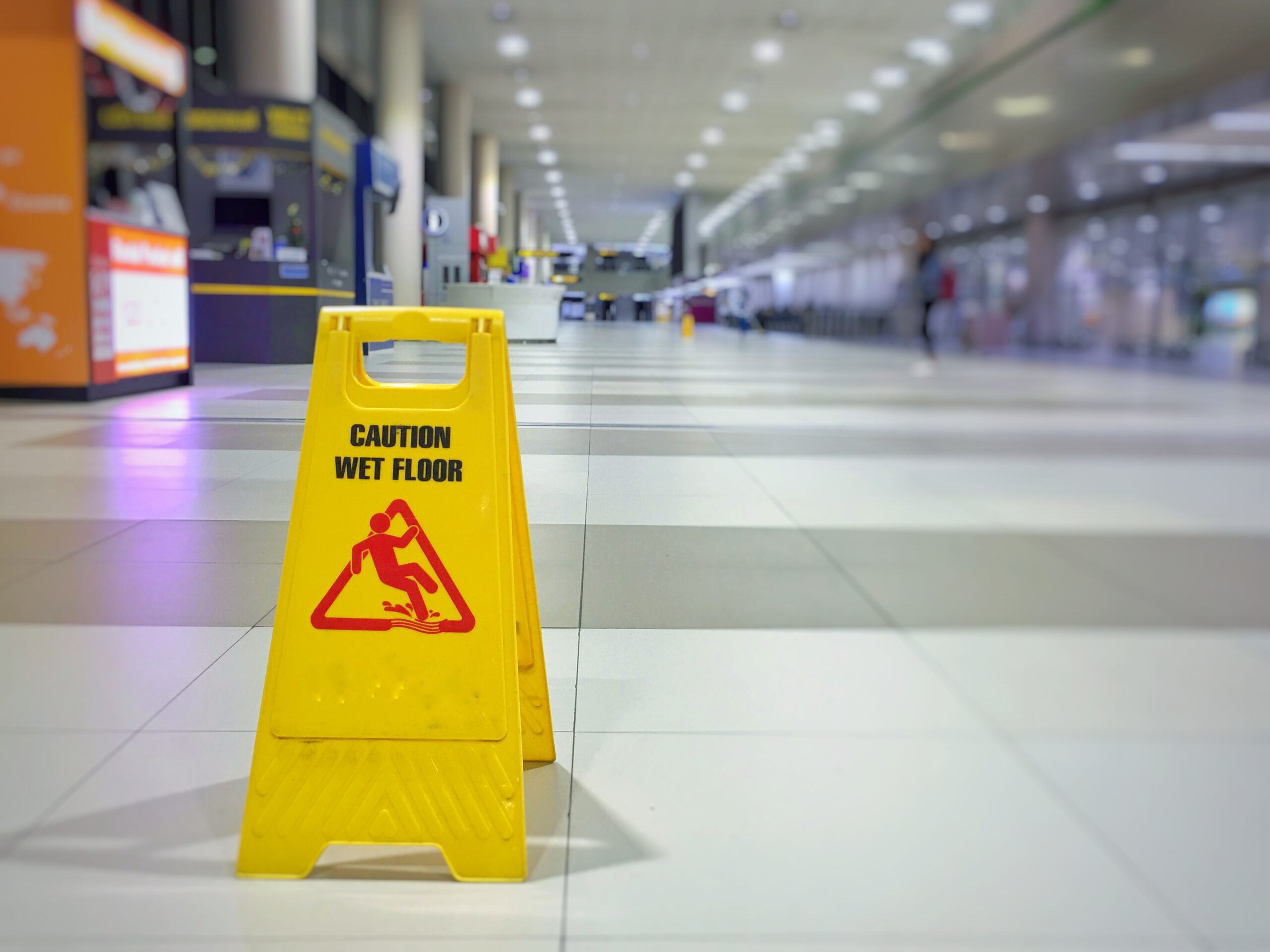
Miller & Jacobs helps people injured in Miami falls investigate the condition that caused the event and who was responsible for addressing it. A spill, damaged step, or unsafe walking surface calls for its own evidence. We review notice, control, warnings, and the injury record rather than assume that falling on a business's property automatically creates a claim.
Free consultation. Bring the location, date, and any incident information. The written contingency agreement explains attorney fees and costs.
$300M+
Reported Recoveries for Injured Clients
50+ Years
Combined Legal Experience
230+
Combined Jury Trials Across Their Careers
Former Prosecutors
Experienced Trial Attorneys
Capture the difference between the hazard and the surroundings
At a Miami shop, restaurant, hotel, or parking entrance, the scene may change quickly. Care comes first. If someone can safely document the area, ask for both the specific condition and a wider view showing where it was. Do not move objects or recreate an incident for a photograph.
Keep original images showing the substance or defect, its position along the walking route, nearby signs, and lighting. If you cannot identify what caused the fall, say so. An accurate uncertainty is more useful than a guess made to complete a form.
Keep the time, employee's name, and reference number when the event is reported. Request a copy of any statement you provide. Reporting an injury is not the same as obtaining every internal record the property may hold.
A receipt, parking payment, booking, or message may help narrow the time window. Preserve footwear, clothing, original photographs, and witness contacts. These items may remain useful even when the condition was cleaned before anyone photographed it.
Identify the legal question before gathering the wrong proof
We examine the duty owed, the particular condition, who possessed or controlled the area, and the causal link to injury. The investigation should match the alleged failure. A serious injury does not remove the need to establish responsibility.
For covered business-spill cases, section 768.0755 requires proof of actual or constructive knowledge. Duration or regular recurrence can matter. Witness observations, inspection information, and available video may help address that question.
A damaged step, loose handrail, or uneven walkway may require maintenance, ownership, and control records. Do not assume the spill statute governs every property defect. The actual condition and applicable duty must be assessed.
We review whether a warning addressed the specific condition and could be seen along the route used. Lighting, placement, and the available path matter. Neither the presence of a sign somewhere on the property nor its absence supplies every answer.
The disruption after the floor is cleaned
A routine stop can leave weeks of ordinary tasks out of reach.
Standing through a shift, carrying groceries, or using stairs may become difficult after a fall. Describe the specific task and keep supporting medical restrictions. Those details help explain the impact without turning every inconvenience into an unsupported damages claim.
Connect the property event with the later records
A Miami street address, a brand name, and a booking company may identify different entities. Meanwhile, care may continue at several facilities. We organize those records into a reliable account instead of assuming the name on a sign identifies the legally responsible party.
Save discharge instructions, referrals, follow-up information, and restrictions. Tell providers about symptoms and relevant earlier conditions accurately. The claimed connection to the fall should be supported by the actual history.
Keep receipts for necessary assistance, transport, or changed arrangements and explain the reason. An expense incurred after a fall is not automatically recoverable. Legal relevance and the connection to the injury require review.
Preserve the address, business and operator names, and booking or tenancy information you have. A property owner, tenant, manager, or contractor may have a different role. We investigate the relationships without asking you to decide liability from branding.
The Miami personal injury overview explains how incident evidence, available coverage, and supported losses fit together.
A free consultation
An incident report is missing, the insurer wants a statement, or the business offered a payment. Start with that question during a free consultation and we can identify what needs review next.
Our South Florida office is at 1600 S Federal Highway, Suite 1101, Pompano Beach, FL 33062. Call 954-465-8733 before visiting.
View Pompano Beach office directionsSeparate help with a bill from a final settlement
A courtesy refund, medical-payment offer, and injury release may do different things. Bring the complete documents. We review what the payment addresses and which questions about responsibility, treatment, and future loss remain open.
Applicable benefits may help with expenses, subject to coverage terms, deductibles, and repayment issues. Reporting a fall does not mean a property insurer must immediately pay every bill. Keep explanations of benefits and balances for review.
Pay records, leave used, medical restrictions, and assistance receipts can support the injury's practical effect. A specific description of changed duties is more useful than an unsupported estimate of a case's value.
Review which claims and people the proposed agreement covers. Future treatment or unresolved losses may be affected even when the conversation focused on one immediate expense. Do not assume a small payment necessarily carries narrow terms.
A focused premises investigation
We identify the condition, potential record holders, legal duties, and supported injury consequences. A request to preserve material is not a guarantee that it exists or an entitlement to immediate access.
Incident reports, maintenance information, witnesses, and possible video can answer different questions. The exact location and time help focus a request. Obtaining records may require authorization or formal discovery.
We compare your account with the property's explanation and review any fault allegations. The condition's existence, notice, control, and injury connection must be considered together before estimating a realistic claim.
We discuss the supported parties, coverage issues, missing evidence, and release terms. A consultation does not commit you to litigation, and no outcome is guaranteed. The next step should fit the evidence and your circumstances.
Many negligence claims accruing after March 24, 2023 have a two-year filing period under section 95.11. Claim type, parties, and exceptions matter. Public-property claims may carry separate notice requirements, so check timing promptly.
Miller & Jacobs
Partners Mark J. Miller and Rick S. Jacobs lead the firm's injury work. Miami clients are served from the actual Pompano Beach office. Their biographies describe their professional backgrounds without promising a particular result.
Partner
Mark's biography describes work in insurance defense and prosecution before his plaintiff-side practice. That background informs the firm's evaluation of liability disputes and insurance positions.
Partner
Rick's biography describes his service as an Assistant State Attorney in Miami-Dade County and his trial work. Read the published background for details of his professional experience.
Decisions and practical questions
Yes. Describe what you know and what remains uncertain. Witnesses, records, and the scene may help identify the cause. Do not invent a substance or defect simply because an incident form asks for one.
Not necessarily. Original photographs, witnesses, incident records, receipts, or retained footage may still matter. Explain who saw the area and when it changed. Do not recreate the condition for a new photograph.
The complete terms control. A refund without a release can differ from an agreement ending claims. Save the offer and anything signed so the scope can be reviewed rather than inferred from the amount.
Access is not automatic. A preservation request and obtaining the material are separate issues, and an appropriate legal process may be necessary. Prompt review can address retention concerns without assuming a recording exists.
Not necessarily. A structural condition can involve different duties and evidence from a transitory substance in a business. Control, maintenance, warnings, and the actual condition require review.
No single fact automatically answers the whole case. Footwear may be raised in a fault argument, so preserve it and describe the conditions accurately. Responsibility and causation need the full record.
Related guidance