
Florida weather and crash claims
Weather-Related Car Accidents in Florida: Fault and Proof
By Miller & Jacobs Car Accident Attorneys
Rain, fog, glare or storm debris can contribute to a Florida crash. Bad weather alone does not decide fault. The question is how each driver responded and whether a lack of reasonable care caused harm. Match the conditions to speed, spacing, visibility and the crash sequence.
Start with the road conditions, each driver's response and the records that can connect them. Keep the crash time, location and original scene files together.
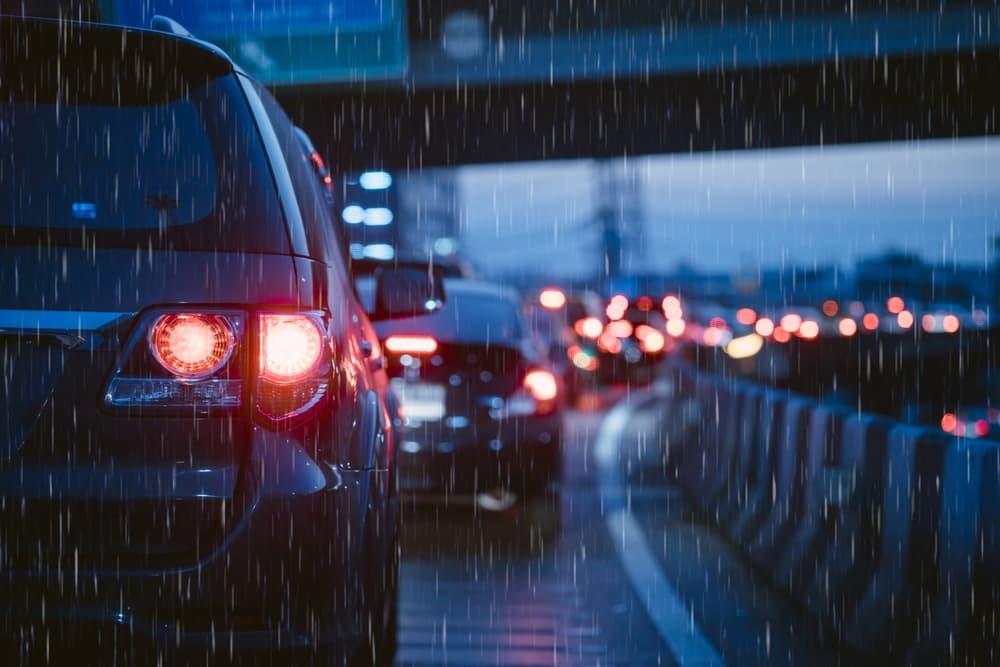
Bad weather changes what careful driving requires
Leave room to react
See and be seen
Match the condition to the evidence
Weather is part of the scene. The next step is to link it to a driving choice or road hazard.
Wet roads and hydroplaning
Ask about speed, tire condition, standing water and sudden braking or steering. Save tire photos and repair records before the vehicle changes. A loss of grip does not, by itself, show a lack of reasonable care.
Fog and sun glare
Record the direction of travel, time, sight lines and what each driver could see. Video and nearby witnesses may help test each account. A report of fog in the area cannot show the view through one driver's windshield.
Wind, debris and blocked lanes
Note where an object came from, whether a lane was blocked and what warnings were present. Photos taken safely may show more than the final resting place of the vehicles. Do not enter traffic, floodwater or an area near fallen power lines to gather evidence.
After a storm, check signals and road hazards separately
A dark signal, flooded road or fallen branch raises a different question from speed. Find out who controlled the hazard and what each person could do about it.
When a traffic signal is out
Flooding, debris and public roads
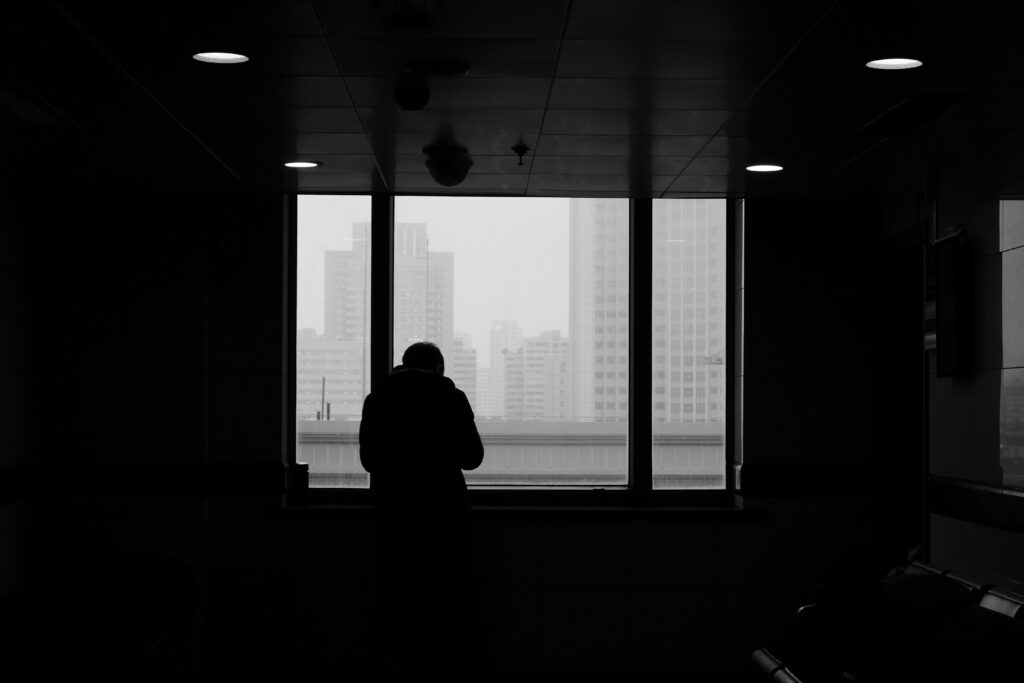
If a sudden storm leaves you shaken after a crash, sorting out who did what can feel overwhelming. You can put safety and care first, then ask for help making sense of the records.
Weather-Related Car Accident Lawyers
Bring the crash date and location, the records you have and any insurance letters. You do not need a complete weather investigation before asking for help.
Mark J. Miller and Rick S. Jacobs are Partners at Miller & Jacobs.


Records and evidence
Build a timeline, not just a weather report

01
Pin down the time and location
Keep the crash report number, road, travel direction and nearest intersection. Keep the original photos and dashcam files with their time stamps. Note whether a device's clock was wrong.
02
Save the scene while it is available
Keep witness details and identify nearby cameras. Water, debris and light conditions can change quickly. If it is unsafe to take photos, record what you remember once you are safe.
03
Compare weather records with scene records
04
Connect the conditions to the collision
Fault, coverage and time
Keep fault, insurance and deadlines separate
A storm-damage claim for your car is separate from an injury claim against another person. Check the actual policy, the coverage you bought, the deductible and when notice is due. Keep the insurer's letters and your replies. One claim may not pay every loss.

Questions after a weather-related crash
Related guides

General information, not legal advice. Contacting Miller & Jacobs does not create an attorney-client relationship. Each claim depends on its facts and applicable law.