Pompano Beach & Orlando | Serving Clients Across Florida
Call 24/7: 877-848-5297

Florida truck crash claims

Can You Sue After a Truck Accident in Florida?

By Miller & Jacobs Truck Accident Attorneys

You may be able to sue after a Florida truck crash if someone else's legal fault caused your injuries or other harm. You need proof of the conduct, its link to the crash and your losses. Insurance rules, prior releases and filing dates may affect the claim.

An insurance claim asks for payment. A lawsuit asks a court to resolve a dispute. Some claims settle without suit, and a filed case may settle before trial. Understanding that difference helps you decide what needs to happen next.

When a truck crash may support a lawsuit

Review responsibility, losses and the rules together. The truck's size or the amount of visible damage cannot answer all three.

A legal basis for responsibility

In a negligence claim, you must show that someone failed to use the care the law required and caused harm. That person may be a driver, a company or someone else. Our Florida truck accident liability guide explains those roles. A logo on a truck does not establish who should be sued.

A link between the conduct and your losses

Photos, video and witnesses may show how the crash happened. Care and work records help explain the harm. Match each part of the claim to the proof that supports it.

A claim that remains legally available

Fault, insurance rules, prior releases and filing deadlines can affect the claim. Under Florida's comparative-fault law your share of fault reduces damages in a covered negligence action. More than 50% fault for your own harm bars recovery. Exactly 50% does not trigger that bar, but reduces damages by half. An insurer's fault estimate is not a court ruling.
Our Orlando truck accident practice can review whether your dispute needs a lawsuit and which filing steps apply. For a Broward-area crash, our Pompano Beach truck accident practice can discuss the claim and its dates.

Review the offer before signing

An offer is more than a number. Check the claims it would end and the recovery you could actually receive.

Check who and what the release covers

The parties may investigate, exchange records and discuss an offer. Before accepting, review who and what the proposed release covers, including future losses that are still uncertain.

From claim to court

What happens before and after filing

The order can vary. Filing should respond to the evidence, the dispute and the deadline, rather than the first offer alone.

01

Preserve evidence and identify the claim

Keep crash details, photos, insurance letters and business names. Identify who may hold truck data, driver logs or nearby footage. Our truck crash first-steps guide covers safety, care and reporting after the collision.

02

Review treatment, losses and available coverage

Record care, missed work and other costs. Explain daily-life effects without guessing about the future. A lawyer can assess the proof, disputed issues, missing records, insurance and ability to collect.

03

Decide whether filing is needed

A lawyer can assess whether talks should continue or a complaint should be filed in the proper court. Ongoing treatment or settlement talks do not automatically extend the time to sue.

If filing is needed, the complaint must comply with Florida court rules for filing, service and evidence exchange. Filing does not make a trial certain or guarantee payment.

04

Prepare for evidence exchange and resolution

Those sued get formal notice, called service of process. Each side may seek records, written answers and testimony under oath. Expert views or court hearings may be needed. The parties may also meet with a neutral person to try to settle, a process called mediation. The case may settle, end with a court ruling or go to trial. Our guide to how a truck accident lawyer can help explains this work in more detail.

Which losses and injury rules need review?

Medical expenses and lost income raise different legal questions from pain and suffering. Check the loss claimed and whether Florida's no-fault rules apply to the vehicles and required insurance.

Document the losses you are claiming

Keep bills, benefit statements and work records. You need proof for future care and lost earning ability too. An expert may need to explain those losses. A cost is not owed just because it came after the crash.

Do not apply one injury threshold to every truck case

Florida's no-fault law can limit pain-and-suffering damages in some truck-crash claims. When that limit applies, the injury must fit one of the four categories below from section 627.737(2). You do not need a permanent injury for every claim for bills or lost pay. Florida's no-fault definitions include commercial motor vehicles. The label alone does not settle which rules apply to a particular claim.

Significant and permanent loss of an important bodily function.

Permanent injury within a reasonable degree of medical probability, other than scarring or disfigurement.

Significant and permanent scarring or disfigurement.

Death.

Two separate clocks

Check the lawsuit deadline and the evidence clock

The March 24, 2023 law change generally applies the two-year negligence period to claims that legally arose after that date. The current negligence limitation is in section 95.11(5)(a). The 2023 fault rule instead generally uses the date the suit was filed. It applies to suits filed after March 24, 2023. Older claims, other legal grounds and exceptions need their own time check. This article cannot set your final deadline.
A government truck or agency requires a separate check. Florida's government-claim law has its own notice and time rules. Some government acts are protected from suit. A routine insurance claim does not replace those steps.
Evidence has a separate clock. Records can disappear before the lawsuit deadline. Federal driver-log rules require covered carriers to keep certain records. They do not promise every video or data file will stay available. Ask early what needs to be saved.
A person looking through a window.

When a truck crash interrupts work and family plans, another unfamiliar letter or call can feel like more than the day has room for.

Mark J. Miller and Rick S. Jacobs, partners at Miller & Jacobs

Mark J. Miller

Partner

Rick S. Jacobs

Partner

Talk With Our Truck Accident Lawyers About Your Next Step

Bring the crash date, vehicle and business details, insurance letters and the records you have. You can ask about deadlines and missing evidence before treatment ends.

Questions about suing after a truck crash

Not necessarily. The proper parties depend on their roles and the legal basis for the claim. A company may have responsibility for a driver's work or for its own conduct, but that should be investigated. Do not name or leave out a party based only on the logo on the truck.

Possibly. In a covered Florida negligence action, your share of fault reduces damages. More than 50% fault bars recovery. Other claims and exceptions may have different rules. If you dispute an insurer's fault finding, have the proof reviewed rather than assume the finding ends your case.

No. You can ask about deadlines and evidence while you receive care. Your care may affect how losses are valued. It does not, by itself, extend the time to sue. Keep your records current and avoid guessing about a final recovery or settlement amount.

No. Some claims resolve without a lawsuit, and some filed cases settle before trial. Whether to accept an offer, keep negotiating or litigate depends on the evidence, risks, available recovery and your decision after legal advice. No one can promise which path a particular claim will take.

Related guides

Trucks and cars on a multi-lane road.

After a Truck Accident

Find practical first steps for safety, care and records.

A damaged truck near a person in a helmet and reflective jacket.

Truck Accident Liability

Understand why each party's role needs a separate review.

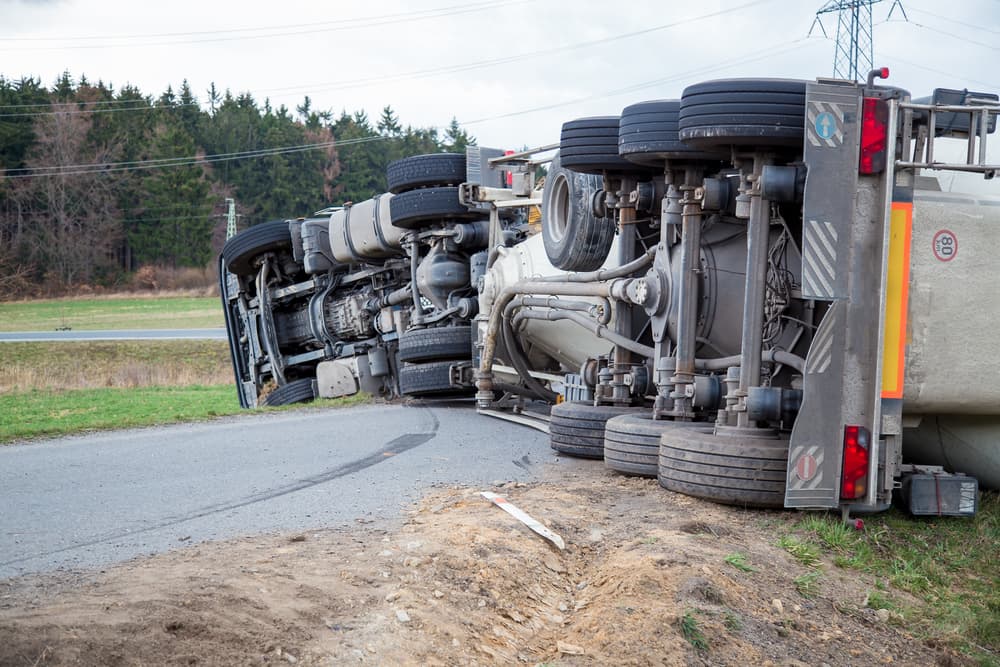
A truck lying on its side on a road.

How a Truck Lawyer Helps

See how investigation and claim preparation fit together.

Back to the M&J blog

General information, not legal advice. Contacting Miller & Jacobs does not create an attorney-client relationship. Each claim depends on its facts and applicable law.