Florida intersection crashes
Who Is at Fault for a T-Bone Accident?
By Miller & Jacobs Car Accident Attorneys
The point of impact does not decide who is at fault. In a T-bone crash, one vehicle hits the side of another. Either driver, or both, may have contributed. Start with the signal or sign for each approach, the drivers' movements and evidence of what happened before impact.
If the accounts conflict, write down what you personally saw and preserve the records you have. A fault review should explain which rule applied, what supports each account and what remains uncertain.
Match each driver's approach to the right rule
Note each street, lane and travel direction. Was the driver turning or going straight? If safe, photograph the signs and lights. Check for a turn arrow or a sign for only one lane. A witness may have seen a different light from the driver.
A circular green light
A red light generally requires a stop and waiting for green. Some turns are allowed after a stop and yielding, unless a sign bans them. Check the turn and posted signs before calling it an unlawful entry on red.
A left turn or green arrow
A stop sign or uncontrolled entry
An inoperative traffic light
Build a timeline that can test both accounts
Start before the collision, not with the final resting positions. Note where each vehicle approached, when it entered, whether it turned and where contact began. Keep uncertainty visible. If you did not see the other driver's signal, say so.
01
Photographs and witnesses
Save photos of all sides of both vehicles, road markings, sight lines and signs. A close-up of a damaged door does not show the whole approach. Ask witnesses where they stood and which signal they could actually see. Someone who saw impact may not have seen either driver enter.
02
Video and signal records
Look for nearby stores, vehicles or agencies that may hold video. Give the place and a useful time window when asking about it. Ask that the file be kept. Do not assume every camera records or that the file still exists. A request to keep it does not give you a right to obtain it.
Keep the full original clip, not just a screen image or edited part. Check whether its clock matches the real crash time. A signal plan describes how the lights should work. On its own, it does not prove the color at that second. Fault logs or repair records may help test a claim that a light failed.
03
Vehicle data and its limits
A police report or ticket is part of the review
More than one action can contribute to the harm
Driver fault and another party's legal responsibility
If a familiar drive ends in a side-impact crash, uncertainty about what happened can linger after the cars are cleared away.

Mark J. Miller, Partner
Partner
MAKE ROOM FOR WHAT IS STILL UNCLEAR
Talk With Our Intersection Accident Lawyers
Bring the report number, photos, video originals, witness contacts, insurer letters and a short timeline. If an insurer assigns you fault, ask which acts and evidence support it. Identify the point you dispute and any missing record that could resolve it.
Fault does not by itself establish a payment
Keep care records, work-loss records and repair documents as well as crash evidence. The claim still needs proof of losses and applicable coverage. A fault percentage or policy limit does not set a settlement amount.
Questions about a disputed T-bone crash
Follow the next question
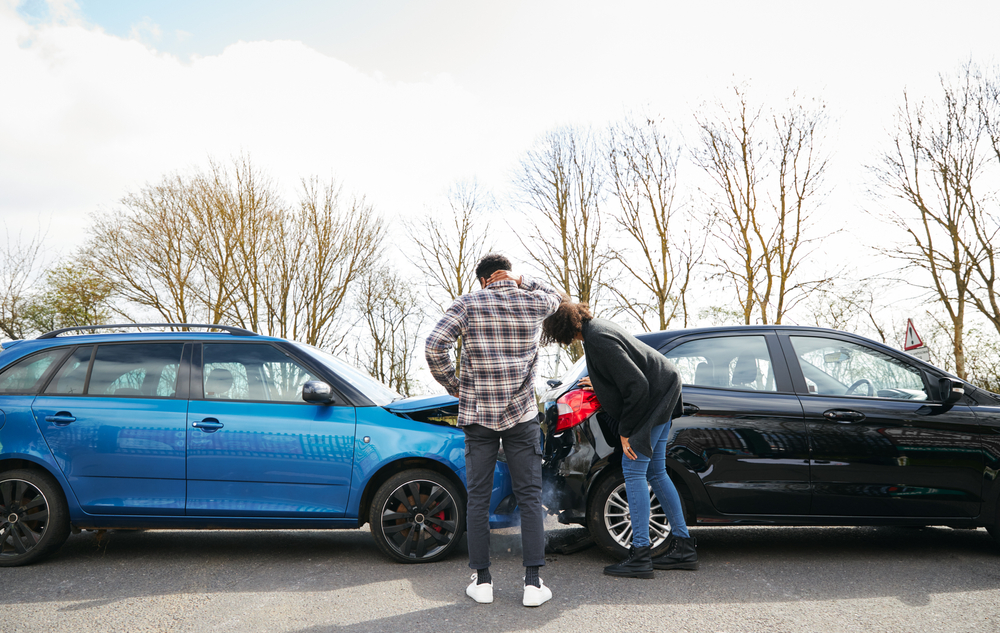
Plan evidence preservation
Identify the records, possible holders and access questions that fit your crash.


Decide when to seek advice
Review the facts, coverage, filing dates and an offer before choosing the next step.