

Partner
Mark J. Miller
Mark's biography describes work in insurance defense and prosecution before his plaintiff-side practice. That background informs the firm's evaluation of liability disputes and insurance positions.
An early offer may arrive before the care plan is clear
A severe injury can leave a Miami patient and family making decisions before anyone can explain the full recovery outlook. Miller & Jacobs helps evaluate responsibility, available coverage, and the evidence of long-term needs. We examine what an offer would resolve, which losses the records support, and what is still unclear. You can ask about protecting a claim while doctors continue to assess treatment and recovery.
A consultation is free. No attorney fee is owed unless compensation is recovered in an injury matter the firm accepts. The written agreement explains fees and costs.
$300M+
Reported Recoveries for Injured Clients
50+ Years
Combined Legal Experience
230+
Combined Jury Trials Across Their Careers
Former Prosecutors
Experienced Trial Attorneys
Looking beyond the first payment
An offer may arrive while a person is still in rehabilitation or waiting for further assessment. Current bills tell only part of the story. The review should separate expenses already incurred, future needs supported by professional evidence, and possibilities that remain too uncertain to treat as established losses.
Keep the care team's advice about therapy, equipment, daily help, and follow-up visits. A future cost needs support for what is needed, how often, and for how long. Ask the treating team what is still unknown. A price quote alone cannot answer those questions.
Record the tasks, time, and care instructions behind help with daily activities. Include unpaid family help in the account. Whether that help supports damages depends on the facts and law. Time spent visiting a relative at the hospital is not the same as providing needed care.
Past missed pay and reduced future earning ability are separate questions. Keep job duties, pay records, restrictions, and any changes in hours or responsibilities. A return to some work may still leave a loss to examine. A future projection should account for realistic work options and the medical evidence.
Establishing the cause
The word catastrophic describes major effects, not a single legal claim. Serious brain or spinal injuries, limb loss, burns, and other major harm can arise in different ways. The investigation must identify the applicable duty or other legal basis, the alleged failure, and its connection to the injury.
A collision may require driver accounts, vehicle data, business records, and policy details. An employer's role needs evidence about the work and relationship involved. Our Miami truck-accident guidance explains issues that can arise when a commercial vehicle is involved.
A failed device and an unsafe building condition require different investigations. Preserve the item, instructions, photos, and identifying details without altering unsafe equipment. The product-liability page addresses possible defects. Property claims instead require close attention to control, the duty owed, and the relevant condition.
In covered negligence actions, section 768.81 reduces damages for the claimant's fault and bars recovery above 50% claimant fault under the applicable rule. That bar has exceptions, including medical-negligence actions. A severe outcome does not remove the need to examine how the event happened.
Progress and continuing needs
An improvement can matter without answering every question about the future.
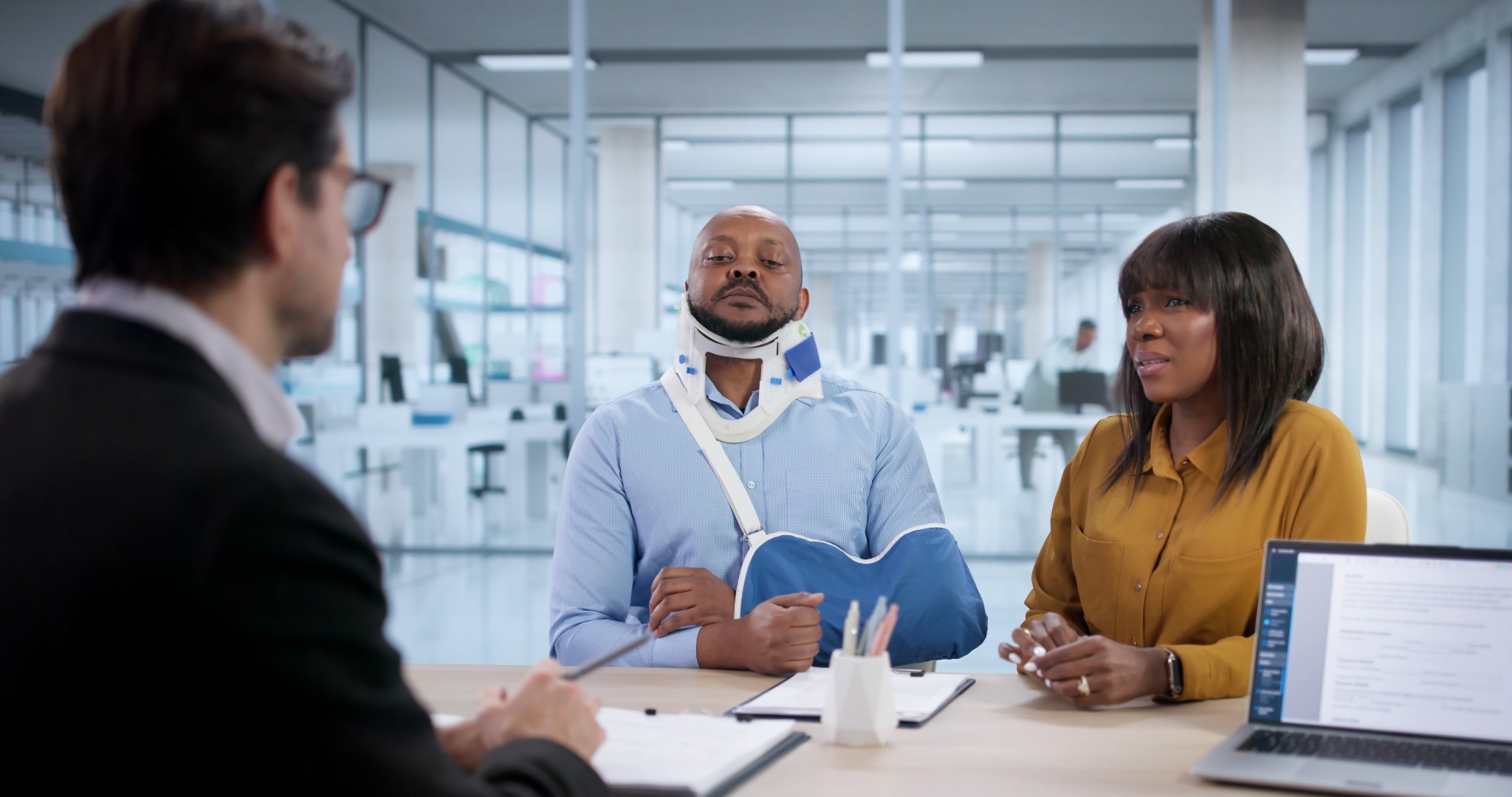
Keep an honest account of what the person can do, what still requires help, and how those abilities change. Doctors assess diagnosis, prognosis, and treatment. A legal claim should reflect their findings rather than label a condition permanent before the evidence supports that conclusion.
Describe pain and the effect on daily life as well as bills. If a task requires extra time, rest, or help, note those details. These losses may matter under the rules that apply to the claim. Do not stage activities or ask the person to demonstrate something unsafe. The account should include both progress and continuing limits.
A useful record across providers
Miami's Christine E. Lynn Rehabilitation Center provides inpatient and outpatient care. A person may receive care there or across other facilities. Wherever treatment occurs, keep each provider's name and role so an emergency visit, rehabilitation stay, and later follow-up can be understood together.
Keep discharge documents, specialist assessments, therapy notes, and recommendations. Tell providers about earlier conditions and any barriers to attending care. A gap in records should be explained with facts. The legal review needs to separate harm from this event from unrelated needs or a prior condition.
A life-care plan sets out future care and likely costs. Medical evidence must support those needs. The plan should explain how long care may last, replacement costs, and assumptions. Florida's medical-expense rules also govern proof of future treatment costs. A plan is evidence, not a promise of payment.
Keep records of necessary transport, equipment, and recommended home changes. For a person returning to an apartment, document the actual access issues rather than assuming a standard renovation budget. Medical support and realistic costs matter. An estimate should show what is included and avoid counting the same need twice.
Discuss the decisions ahead
Call 954-465-8733 for a free consultation about a serious Miami injury, a proposed release, or missing evidence. We can review the legal issues while care continues. If a relative makes the first call, tell us whether the injured person can participate and what permission or legal authority exists.
Our South Florida office is at 1600 S Federal Highway, Suite 1101, Pompano Beach, FL 33062. Call 954-465-8733 before visiting.
View Pompano Beach office directionsProtecting the person's choices
Our Miami personal injury overview explains the broader process. A claim involving major future needs also requires close review of who can make decisions, which deadlines apply, and what a settlement would leave the person to manage.
When the injured person can make legal decisions, their choices remain central. Family can assist with permission. If they cannot, existing powers of attorney, guardianship orders, and other authority need review. Being a spouse or caregiver does not automatically authorize signing a release on another adult's behalf.
Many Florida negligence claims accruing after March 24, 2023 have a two-year period under section 95.11. Other theories and older claims may differ; medical, government, and maritime matters can have special requirements. The catastrophic label creates no universal extension. Ongoing treatment is not a reason to assume time has stopped.
Review coverage limits, disputed liability, fees, expenses, and any repayment obligations alongside the supported damages. Identify what claims the release would end and what is still unclear. A large estimate of future loss does not create insurance coverage or guarantee that the full amount can be recovered.
Miller & Jacobs
Partners Mark J. Miller and Rick S. Jacobs represent Miami injury clients from the firm's Pompano Beach office. A consultation can address both the cause of the event and the evidence needed to understand its longer-term consequences.
Partner
Mark's biography describes work in insurance defense and prosecution before his plaintiff-side practice. That background informs the firm's evaluation of liability disputes and insurance positions.
Partner
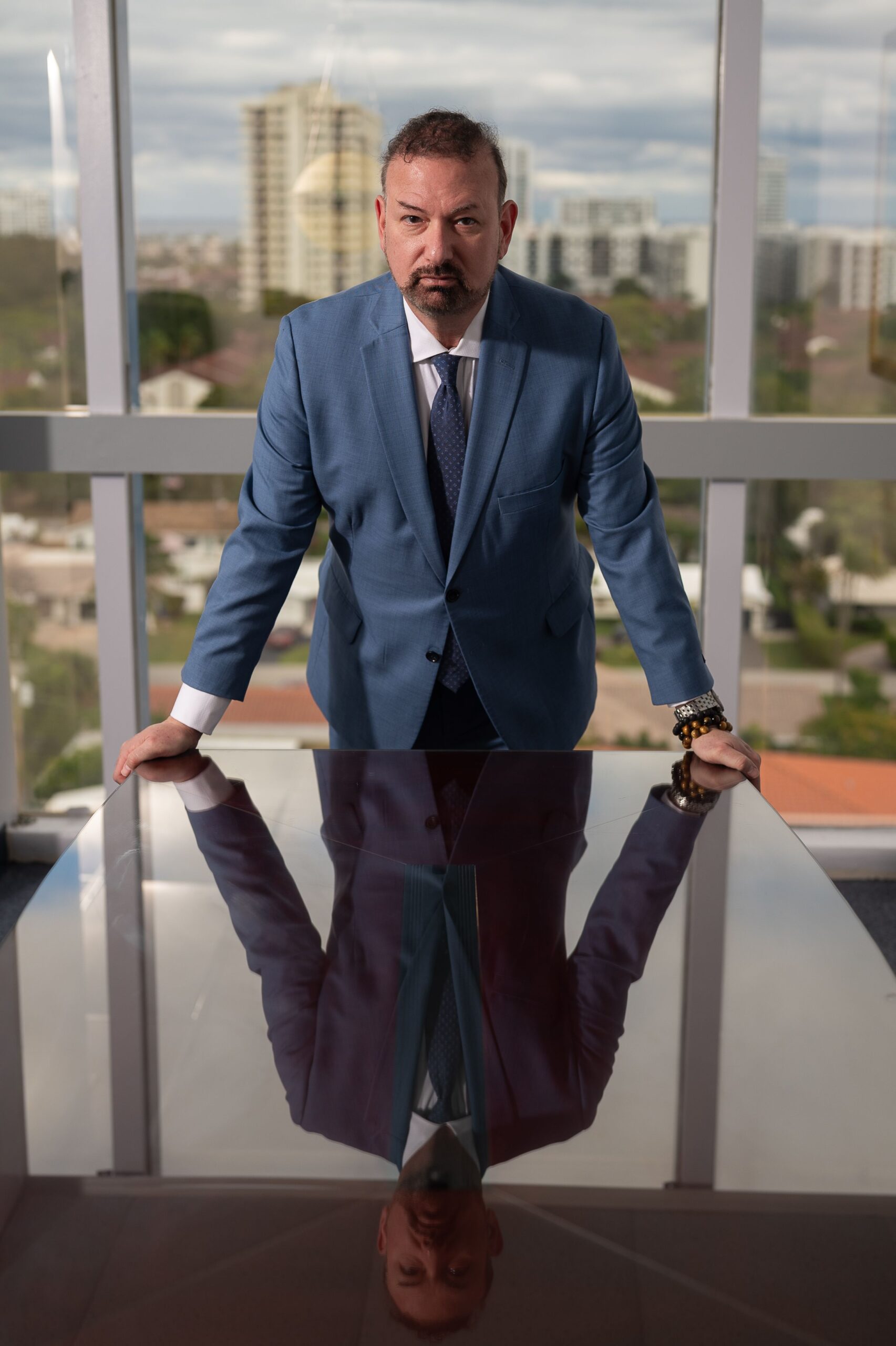
Rick's biography describes his service as an Assistant State Attorney in Miami-Dade County and his trial work. Read the published background for details of his professional experience.
Decisions for families
Later care records may change the picture. Keep new assessments, restrictions, and treatment advice, and ask which records the offer considers. An early discharge summary may not address every later finding. The claim review should use the relevant evidence, not assume the first record is the whole history.
Describe observed changes accurately and raise medical concerns with the treating team. Records about memory, concentration, communication, or supervision may be relevant when clinically supported. Our Miami brain-injury guidance discusses documenting these concerns without assuming a diagnosis from behavior alone.
No. The claim also needs support for why the equipment is appropriate, how it relates to the injury, and when replacement may be needed. Save the recommendation as well as the quote. An advertised price is not a complete future-care assessment.
You can help organize details with appropriate permission. Ask about access to medical records and explain any legal authority you already hold. Organizing papers and making an initial call are different from having authority to hire counsel or settle another adult's claim.
Provide them. The claim should match the current evidence, including improvement and remaining limits. Updated findings may change future-care assumptions. An accurate assessment does not depend on portraying every symptom as permanent or ignoring progress.
No. It may support a damages assessment, but liability, legal standards, policy terms, limits, and other issues still matter. A consultation can identify the gap between documented needs and known coverage without promising a particular recovery.
Related guidance