
“You came out of nowhere.”
Sight lines, turning movements, lighting, signal timing, and video showing how long the motorcycle was visible before impact.
Help after an Orlando motorcycle crash
You may be trying to heal while wondering how to pay the bills, when you can work, or why the insurer is blaming you.
Miller & Jacobs helps injured riders and passengers sort out fault, insurance, and the losses a crash leaves behind. Tell us what is worrying you most. We can start there.
Call 407-465-8733 ↗ Send Us A Message What happens when I call?Free consultation. No attorney fee unless we recover compensation.
50+ years
Combined legal experience
230+ trials
Combined reported jury trials
Orlando
Office on South Kirkman Road
Free
Initial consultation
The bills cannot wait for a settlement
Florida PIP generally does not cover someone occupying a motorcycle. Having PIP on a car does not mean it will pay for injuries from riding your bike.
That gap is unsettling. The next step is to look at the coverage you actually have and separate help with current bills from compensation you may pursue later.
Possible payment sources after a motorcycle crash
Health insurance
Covered medical treatment while the injury claim develops.
Networks, deductibles, copays, and possible repayment rights after a recovery.
Medical payments coverage
Some medical bills, if you purchased applicable coverage.
The motorcycle policy, covered people, exclusions, and dollar limit.
The responsible driver’s insurance
A claim for injury losses caused by the driver’s negligence.
Fault, coverage, limits, and proof of loss. The insurer may not pay bills as they arrive.
Uninsured or underinsured motorist coverage
Potential protection when the responsible driver has no bodily injury coverage or too little.
Whether your motorcycle or another applicable policy provides it. It is not automatic.
A possible source is not a promise of payment. Ask about the bills you have now, even if you do not yet know which policy applies.
When the story starts with blame
Being hurt and then questioned about your riding can feel personal. The useful response is a careful account of the crash, supported by records that can test what each person says.
Sight lines, turning movements, lighting, signal timing, and video showing how long the motorcycle was visible before impact.
Witness accounts, damage, road marks, available recordings, and reconstruction where needed. An assumption about riders is not a speed measurement.
Whether a vehicle entered your path, debris or a road defect forced a maneuver, or a motorcycle component failed. Physical contact is not the only question.
The percentage matters. Under Florida’s current comparative-fault rule, a person found more than 50% at fault for their own harm generally cannot recover damages in a negligence action. A smaller share of fault can reduce recovery.
Read Florida’s comparative-fault statute ↗A conversation, not a completed file
Tell us where the crash happened, what care you are receiving, and which problem feels most urgent. We can discuss possible next steps and the records that may help. If you are considering hiring us, we will explain attorney fees and case costs before you decide.
A family member can make the initial call. We will explain what permission is needed to discuss details or act for the injured person.
The part other people may not see
A shower. A ride to an appointment. A full night’s sleep.
After a motorcycle injury, ordinary things can become exhausting. You may be relying on someone else while worrying about what the crash is costing them, too.
Those changes deserve attention. When we discuss your claim, we want to understand what daily life was like before the crash and what is harder now.
If you left in an ambulance
Getting care came first. You may still have a useful trail in places you have not thought to look. Let us know what is missing so we can discuss where to start.
The crash report, witness details, business or dash-camera footage, and emergency-response records may help establish what happened.
On an I-4 merge, near an International Drive driveway, or at an Orange County intersection, the useful evidence depends on the exact location and movement.
Tell us where the bike, helmet, and damaged gear are stored. Photos, inspection, and preservation may matter before repairs or disposal.
Storage charges can keep growing. Raise that issue early so preservation and the cost of holding the bike can be considered together.
Discharge papers, appointment details, insurer messages, missed shifts, and receipts can provide a starting point.
You do not need to organize everything perfectly. Keep what you receive and note changes you would otherwise forget.
Video can be overwritten and vehicles can be repaired. Early help can make it easier to identify and request evidence while it still exists.
The effect on your life
There is no reliable case value based only on the type of motorcycle or the name of an injury. Fault, medical evidence, long-term effects, and available coverage all matter.
Treatment, rehabilitation, medication, equipment, and future care supported by the medical record.
Missed wages, reduced hours, used leave, and changes to earning ability. For self-employed riders, invoices and business records may help explain lost income.
Pain, sleep, mobility, household tasks, and the loss of activities that mattered to you. Specific examples help explain the effect.
Repair or replacement issues may move on a different track from the injury claim. Have any release checked before signing it.
Questions riders and families ask
The crash date, evidence, insurance language, and people involved can change the answer. A call gives us a chance to discuss those details.
Ask about your situation ↗The people behind Miller & Jacobs
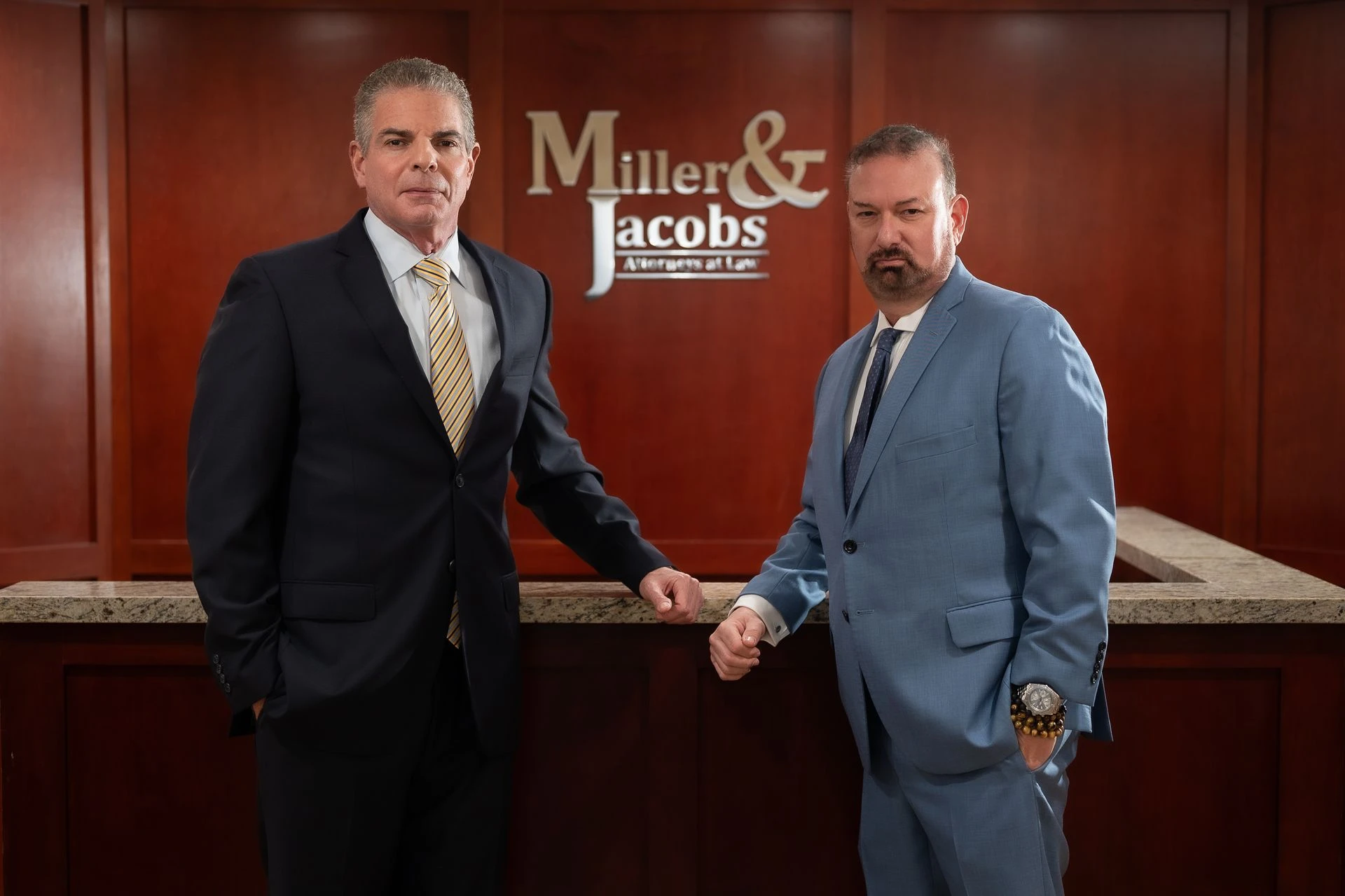
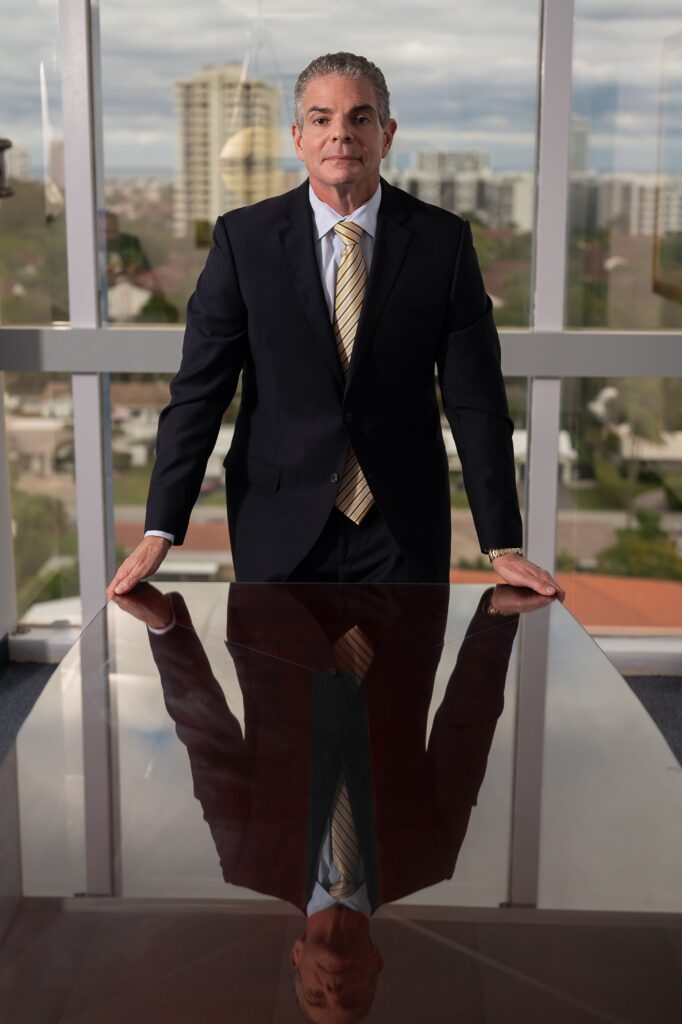
Both partners have been members of The Florida Bar since 1995. Their backgrounds include prosecution, insurance defense, and trial work. Read about the people you are considering asking for help.
Partner
Former prosecutor and insurance-defense lawyer. His background includes work on the insurer’s side of claims.
Read Mark’s biography ↗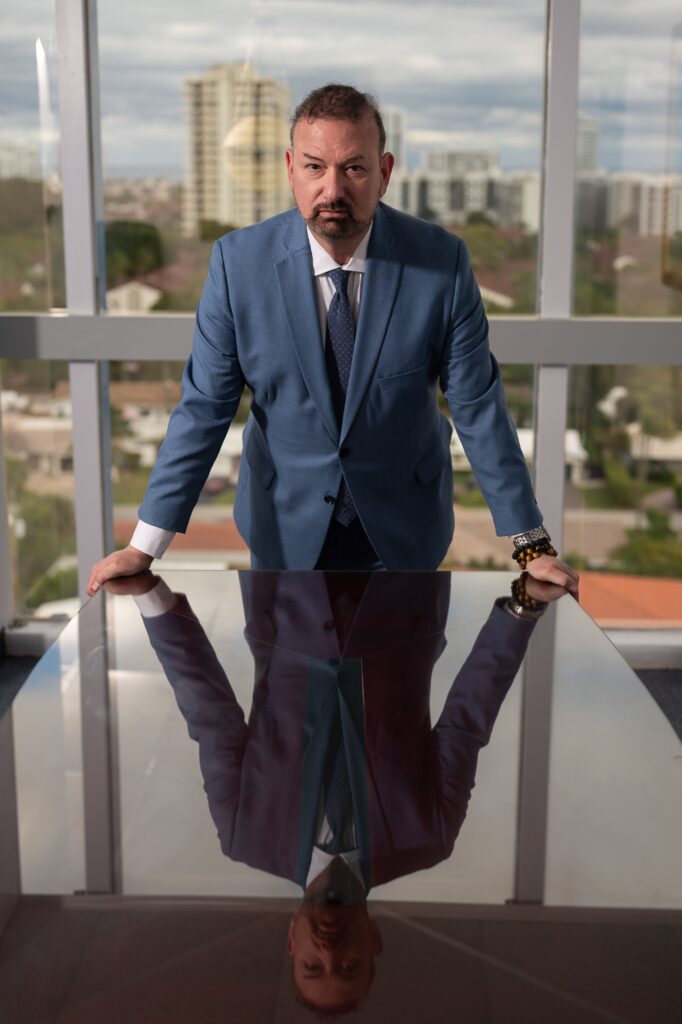
Partner
Former Miami-Dade prosecutor with extensive jury-trial experience.
Read Rick’s biography ↗Start with the question on your mind
Tell Miller & Jacobs what happened and what you need help understanding.