
Protect evidence before it disappears
We seek available video, witness accounts, reports, and vehicle or property records. We identify who controls the evidence and send preservation requests where appropriate.

Help after a serious injury in Orlando
We fight for the care, support, and compensation your future needs.
You may be facing rehab, lost pay, and a home that no longer meets your needs. Miller & Jacobs takes on the legal work, pursues those responsible, and works to make the full impact of your injury part of the claim.
Free consultation. No attorney fee unless we recover compensation for you. We explain case costs and the written agreement before you hire us.
Years of combined legal experience
Jury trials across the partners’ careers
Consultation about your circumstances
Local office on South Kirkman Road
The legal work we take on
A discharge date can bring relief and a new set of worries. Who will help at home? How will you pay for care while you cannot work? We listen to those questions before deciding what the case needs.
Once retained, we handle communications about the injury claim, review requests and offers, and explain what needs your decision. You should know what is happening without having to chase every response.
We investigate how the injury happened, who may be responsible, and which insurance policies may apply. A driver or business named in the first report may be only part of the picture.
We document care, work limits, and changes at home, bringing in qualified experts when needed. We challenge offers that leave supported needs out and prepare for court when a fair resolution requires it.
Compensation that looks beyond discharge
We build a claim around your circumstances. That means asking what you need, what it costs, and how long the need may continue, then finding evidence to support each loss.
What may be part of the claim
What we look at
How we support it
Treatment and rehabilitation
What we look at
Hospital care, therapy, follow-up visits, medication, and medically supported future treatment.
How we support it
Medical records, provider recommendations, bills, and expert cost estimates when needed.
Equipment and access
What we look at
Mobility equipment, home changes, accessible transport, maintenance, and replacement.
How we support it
Functional assessments, written recommendations, and estimates tied to the injury.
Help at home
What we look at
Needed personal care and household assistance, including tasks relatives now perform.
How we support it
Care schedules, descriptions of the help provided, professional assessments, and service costs.
Income and ability to work
What we look at
Missed pay, changed duties, reduced hours, and a lasting loss of earning ability.
How we support it
Employment records, work restrictions, and vocational or financial analysis where appropriate.
Pain and loss of independence
What we look at
Physical pain and the effects on daily activities, relationships, and enjoyment of life.
How we support it
Your account, treatment records, and specific observations from people who know you.
No online average can price your case. Recoverable losses depend on the evidence, responsibility, available coverage, and Florida law. When future care is complex, we may use a life-care plan to set out supported needs and costs.

When the conversation turns to going home
You do not need a complete file or a settled prognosis to call. A loved one can make the first call, too. With your permission or proper legal authority, we can include them in case discussions.
1.
Will stairs, bathing, transfers, or transport need a different setup? Share the care team’s recommendations. We use them to investigate costs that might otherwise be missed.
2.
Note who helps, which tasks they do, and how long they take. Save receipts when you can. We can explain what else is useful without asking you to rebuild everything at once.
3.
Bring insurance notices, payment requests, and any proposed release. We can review relevant coverage and explain what the documents mean for the claim.
Talk before signing a release
If an insurer wants a decision while your care needs are still developing, let us review the offer and explain which rights a settlement would end.
From investigation to a decision
Rehabilitation and a legal claim rarely move at the same pace. We can preserve evidence now, update the claim as needs become clearer, and explain the decisions along the way.
Let us check the filing deadline early.
Florida generally allows two years to file a negligence lawsuit. The incident date, type of claim, and exceptions matter. Treatment and insurance talks do not automatically extend that deadline.
We seek available video, witness accounts, reports, and vehicle or property records. We identify who controls the evidence and send preservation requests where appropriate.
We examine the medical history and treatment, investigate responsibility, and address disputes about what caused the harm. We review relevant policies and potentially responsible parties.
We bring together care recommendations, assistance needs, work limits, and costs. Appropriate experts can help explain future needs without treating an uncertain prognosis as a guess.
We present the supported claim, challenge an inadequate offer, and prepare for litigation when needed. We explain the risks and choices; you decide whether to accept a settlement.
Responsibility depends on what happened
A spinal cord diagnosis alone does not establish liability. We need evidence showing who failed to use reasonable care, how that failure caused the injury, and what losses followed.
The medical details matter, too. An incomplete injury may leave some movement and sensation. We assess the documented effect on your life rather than assuming that everyone with the same label needs the same support.
A worksite incident or equipment failure can raise different claims and deadlines. Tell us the full circumstances so we can identify the legal issues that need review, including whether a third party may be involved.
Miller & Jacobs partners
Mark Miller and Rick Jacobs bring decades of legal work to the firm’s injury practice. Their experience helps us test the evidence, anticipate disputes, and prepare a case that can be presented in court.
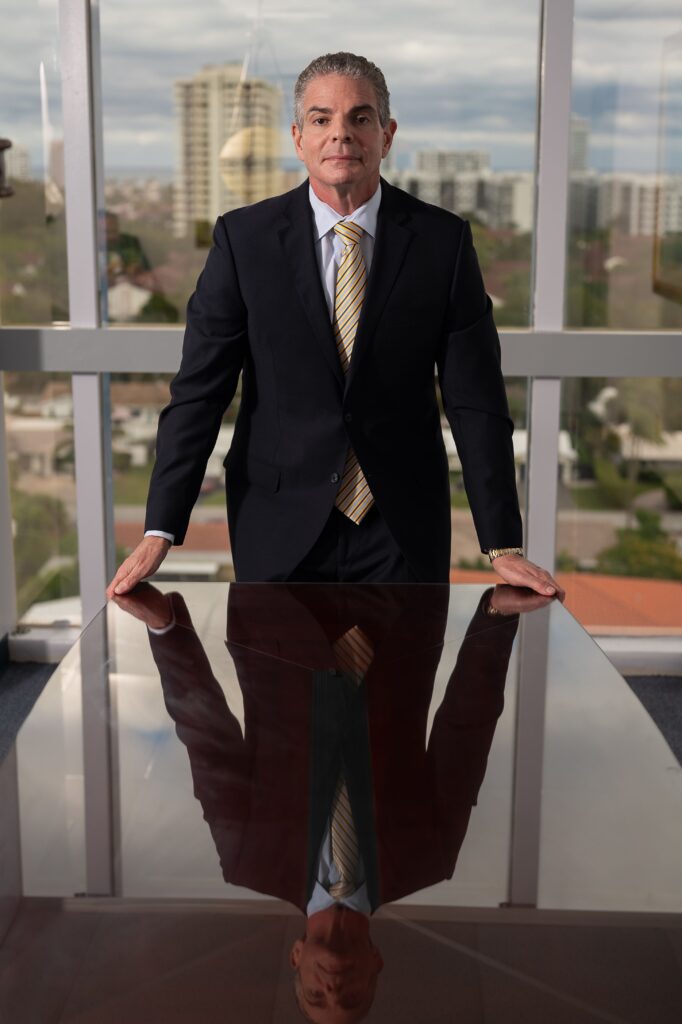
Partner
Former prosecutor and insurance-defense attorney. His career includes more than 70 jury trials.
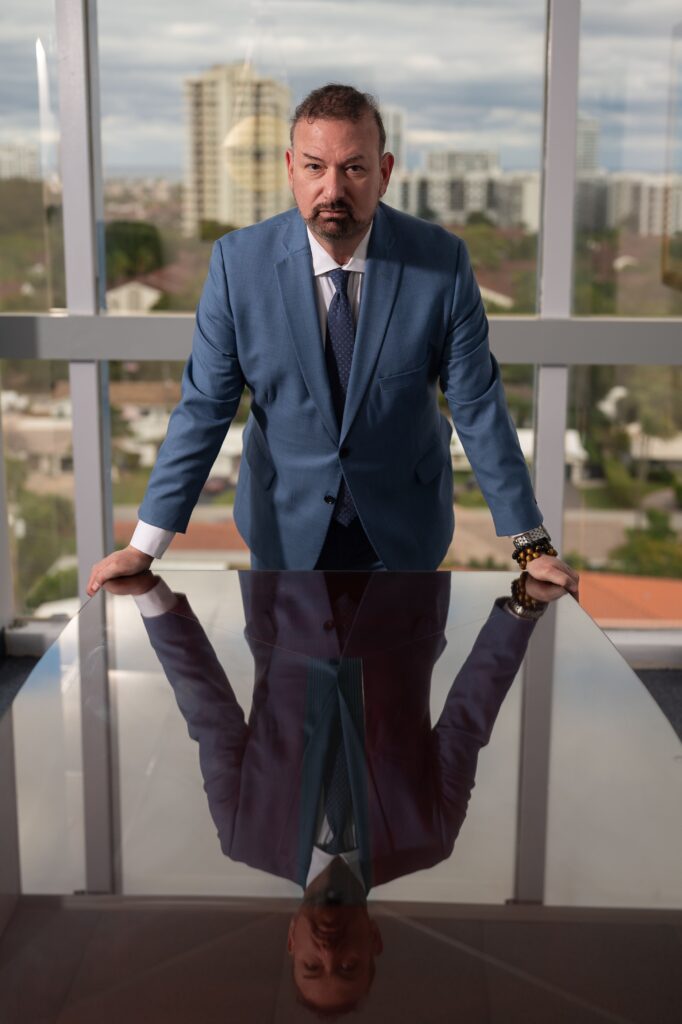
Partner
Former Miami-Dade prosecutor. His career includes more than 160 jury trials.
The first conversation is free. Tell us where you are in treatment, what happened, and what you need help with. We can explain the legal next steps even if some answers are still unknown.
Call our Orlando team →Questions about your circumstances
You may be worried about care, money, or being a burden to someone you love. Tell us which concern is most urgent. We can help you understand what the claim may address and what needs a separate solution.
Other injuries from the same incident?