

Partner
Mark J. Miller
Mark's biography describes work in insurance defense and prosecution before his plaintiff-side practice. That background informs the firm's evaluation of liability disputes and insurance positions.
For Pembroke Pines residents injured on the water
A Pembroke Pines resident may be injured during a boating trip elsewhere in South Florida or in an incident involving a local waterway. Miller & Jacobs reviews the actual accident location, vessel use, and legal framework. Your home address does not decide which law applies. A consultation can clarify the evidence, possible responsibility, and timing without treating every water-related injury alike.
Your consultation is free. No attorney fee is owed unless compensation is recovered for you. The written fee agreement explains fees and costs.
Reported Recoveries for Injured Clients
Combined Legal Experience
Combined Jury Trials Across Their Careers
Experienced Trial Attorneys
The right starting point
The waterway, activity, vessel, and injured person's role can affect jurisdiction and the governing law. A freshwater incident, a coastal trip, and a passenger charter should not be assumed to have identical legal rules.
Keep the exact location or coordinates when available, the route, and the responding agency. A description such as near home or offshore may be too broad. Navigability and the connection to maritime activity can matter when federal maritime law is being considered.
Identify whether it was privately operated, rented, chartered, or being used for work. Save the agreement and booking information. The real activity and relationships matter; a label chosen by a rental business does not automatically resolve every legal issue.
Record the operator, owner, passengers, witnesses, and other vessels when available. A worker or crew member may have different rights from a recreational passenger. Responsibility must be tied to the relevant conduct or duty, not just presence on the boat.
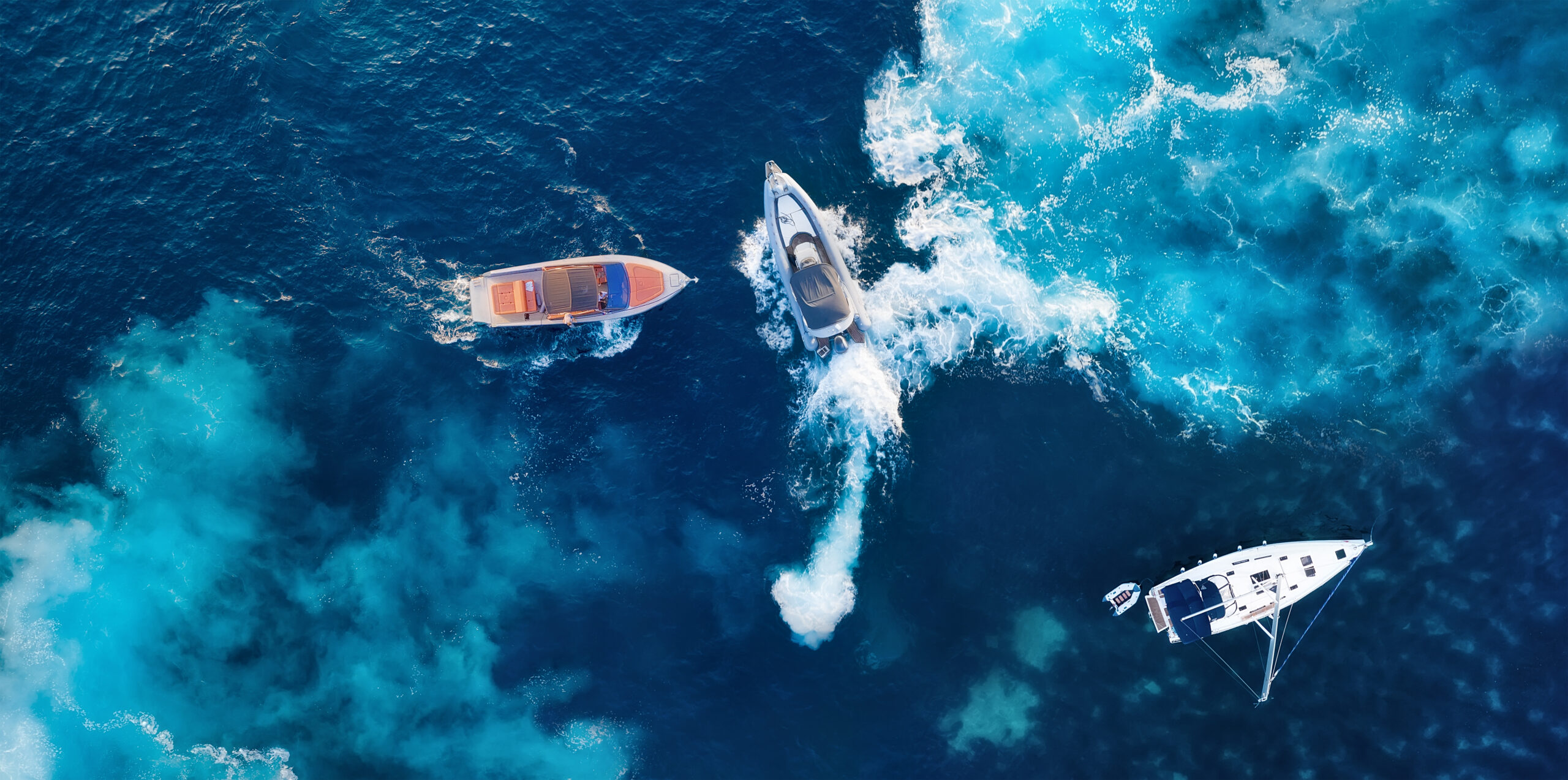
After returning to the household routine
Recovery can change work and family plans.
An injury during recreation may affect lifting, driving, standing at work, or caring for others. Keep medical restrictions and explain the specific change from before the trip. The claim needs evidence of the actual consequences rather than a broad assumption about the severity of all boating incidents.
Save employment records, necessary expenses, and the follow-up treatment history. If the first care was provided near the accident and later care is closer to home, keep both sets of provider details. The medical record should explain one event and the course of recovery.
The evidence sequence
Safety and appropriate medical assistance come first. Florida operators have duties after qualifying incidents under section 327.30. Once immediate needs are addressed, preserve the information already available and identify who holds missing records.
Save the agency name, incident number, operator information, and vessel identification. Official reporting and civil liability are related but separate matters. A report may identify useful witnesses or facts without establishing that an insurer must pay the claim.
Keep all pages of a rental or passenger agreement, relevant messages, photographs, and available location data. Do not alter a damaged item or discard important equipment without considering its evidentiary role. A lawyer can assess requests to other record holders.
List initial and follow-up providers, restrictions, bills, and work changes. Be accurate about prior symptoms and later limitations. Medical evidence should explain how the event caused or worsened the injury rather than assume every later complaint is part of the claim.
Responsibility and loss
Operator conduct, vessel condition, rental arrangements, and another participant's actions may require review. We assess the supported legal theory alongside injury evidence and possible coverage. A large loss does not itself prove fault or create insurance.
Speed, lookout, maneuvering, wake, and conditions may be relevant. Compare witness accounts with photographs, damage, recordings, and navigation data where available. An allegation of careless operation should be supported by the evidence and connected to the injury.
Permission, agreements, employment, maintenance history, and equipment condition can affect the claim. The owner and operator may have different roles. Each potential defendant needs a supported basis; the owner is not automatically liable for every injury associated with the vessel.
Supported treatment expenses, income loss, pain, limitations, and future needs may be relevant under the governing law. Save the records and describe daily effects accurately. Policy limits, exclusions, and reimbursement obligations can affect the practical amount available from a resolution.
A free consultation
Call 954-465-8733 for a free consultation about the waterway, vessel, operator, rental terms, and insurer communications. The firm serves Pembroke Pines from its Pompano Beach office. A written agreement explains fees and costs if representation is accepted.
Timing and decisions
The legal calendar depends on the claim and governing framework. Our Pembroke Pines injury overview provides wider context, but boating contracts and maritime questions require separate attention.
Many current state negligence actions have a two-year period under section 95.11. If the covered Florida comparative-fault rule applies, section 768.81 can reduce recovery and bar it above 50% claimant fault. Other theories may differ.
46 U.S.C. section 30106 generally allows three years for maritime personal-injury or death tort claims unless law provides otherwise. Whether the event qualifies must be assessed. Passenger terms can also raise shorter notice or suit requirements where enforceable; retain them for prompt review.
Determine which people and claims it covers, unresolved care, potential coverage, and any other timing issue. A consultation can identify gaps before a decision. The firm can discuss practical options without promising a settlement amount or a litigation result.
Your questions
No. The accident location, maritime connection, vessel activity, and other facts determine the applicable framework. Residence can be relevant to communication and some jurisdiction questions, but it does not automatically select state law or a filing deadline for the incident.
Identify the owner, operator, permission, trip activity, and how the injury happened. Private recreational use does not eliminate possible claims, but neither does an injury automatically prove negligence. Save witnesses, reports, photographs, and any available insurance information.
Yes, the facts can be assessed to identify a supported claim and applicable law. Operation, rental terms, location, maintenance, and the participant's role may matter. Do not assume that a smaller craft avoids maritime questions or follows the same insurance rules as a car.
Do not assume it does. Vessel and other policies have their own terms, exclusions, and limits. The claim may involve different legal rules and coverage sources. Save every insurer communication and relevant policy information so the actual contract questions can be reviewed.
Keep the full agreement and have it reviewed promptly. Passenger or rental terms can raise enforceability, notice, and suit questions under the governing law. Do not rely only on a general state or maritime statutory period, and do not assume every contractual term is automatically enforceable.
Call with the exact location, trip documents, vessel and operator information, and treatment details. The firm can assess whether it can help with that matter and which legal framework may apply. The free-consultation number is 954-465-8733; representation is not automatic.
Miller & Jacobs
Partners Mark J. Miller and Rick S. Jacobs serve Pembroke Pines clients from the firm's Pompano Beach office. Your consultation can address the evidence, the applicable claim, and the decisions ahead.
Partner
Mark's biography describes work in insurance defense and prosecution before his plaintiff-side practice. That background informs the firm's evaluation of liability disputes and insurance positions.
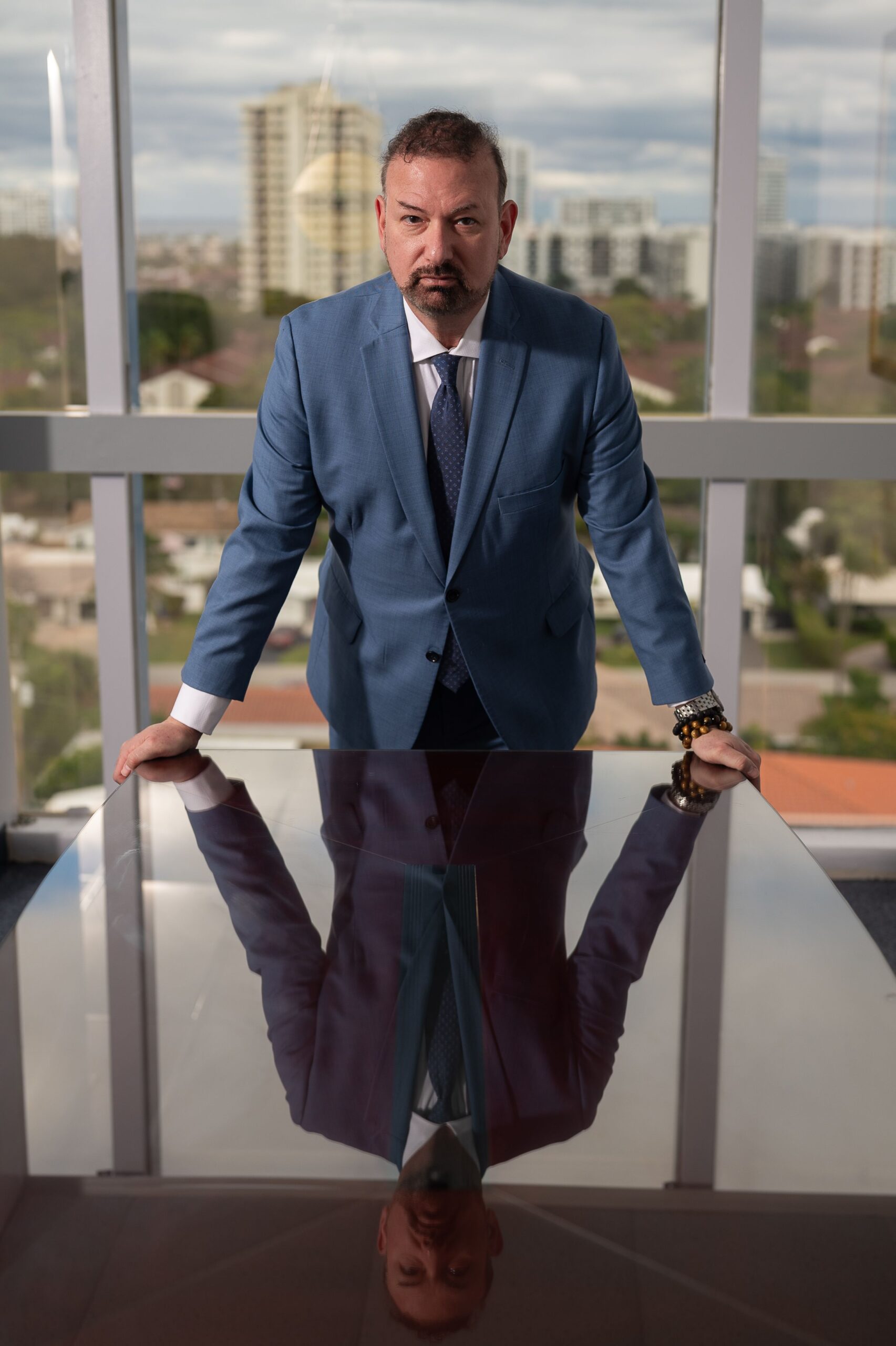
Partner
Rick's biography describes his service as an Assistant State Attorney in Miami-Dade County and his trial work. Read the published background for details of his professional experience.
Our South Florida office is at 1600 S Federal Highway, Suite 1101, Pompano Beach, FL 33062. Call 954-465-8733 before visiting.
Related guidance