

Emergency department entrance beneath a blue sky

When recovery changes a household

Pembroke Pines Catastrophic Injury Lawyer

An injury that limits mobility, memory, or independence can leave a Pembroke Pines family managing care and income at the same time.

Miller & Jacobs reviews the event and the evidence of lasting loss, with attention to the help a household actually needs. A consultation can start with the questions you have now, even if doctors are still evaluating the prognosis.

Your consultation is free. No attorney fee is owed unless compensation is recovered for you. The written fee agreement explains fees and costs.

$300M+

Reported Recoveries for Injured Clients

50+ Years

Combined Legal Experience

230+

Combined Jury Trials Across Their Careers

Former Prosecutors

Experienced Trial Attorneys

The changing routine

Start with what the injury prevents you from doing.

The name of an injury does not tell the whole story. We look at the person's abilities before the event, the medical restrictions afterward, and the support needed now. Those details help separate supported losses from expenses that would have occurred anyway.

Our Pembroke Pines personal injury team can help you understand the wider claim process.

Moving through the home

Stairs, bathing, transfers, and meal preparation may become difficult. Record the problems and the treating provider's recommendations. A modification should be connected to an actual need; a photograph of an inaccessible area may help explain the issue without establishing the cost by itself.

Keeping work possible

A worker may need shorter shifts, modified duties, or a different role. Save payroll and attendance records, communications about accommodations, and medical restrictions. The claim should distinguish wages already missed from a longer-term reduction in earning capacity.

Coordinating the family

Save receipts for necessary transportation and paid assistance, and keep a careful record of help supplied by relatives. Explain who performed the task and why. Whether a particular caregiving loss can be recovered depends on the claim, the parties, and the supporting proof.

Care after discharge

Care instructions have to work in daily life.

Driving to therapy, helping someone dress, and managing medication schedules can change a family member's workday. Keep a simple record of the assistance, its duration, and the clinician's recommendations. Do not assume every family task is a separately compensable loss; the legal basis and evidence still matter.

What help is needed each day?

Keep instructions about supervision, personal care, medicines, transfers, and therapy. Ask who will teach family members any tasks they are expected to perform.

Can the person safely use the home?

Discuss stairs, bathrooms, entrances, and equipment with the clinical team. Save recommendations and estimates for changes linked to the injury.

How will follow-up care happen?

Keep referral details, appointment schedules, transport needs, and work restrictions together. Let providers know about barriers that could prevent attendance.

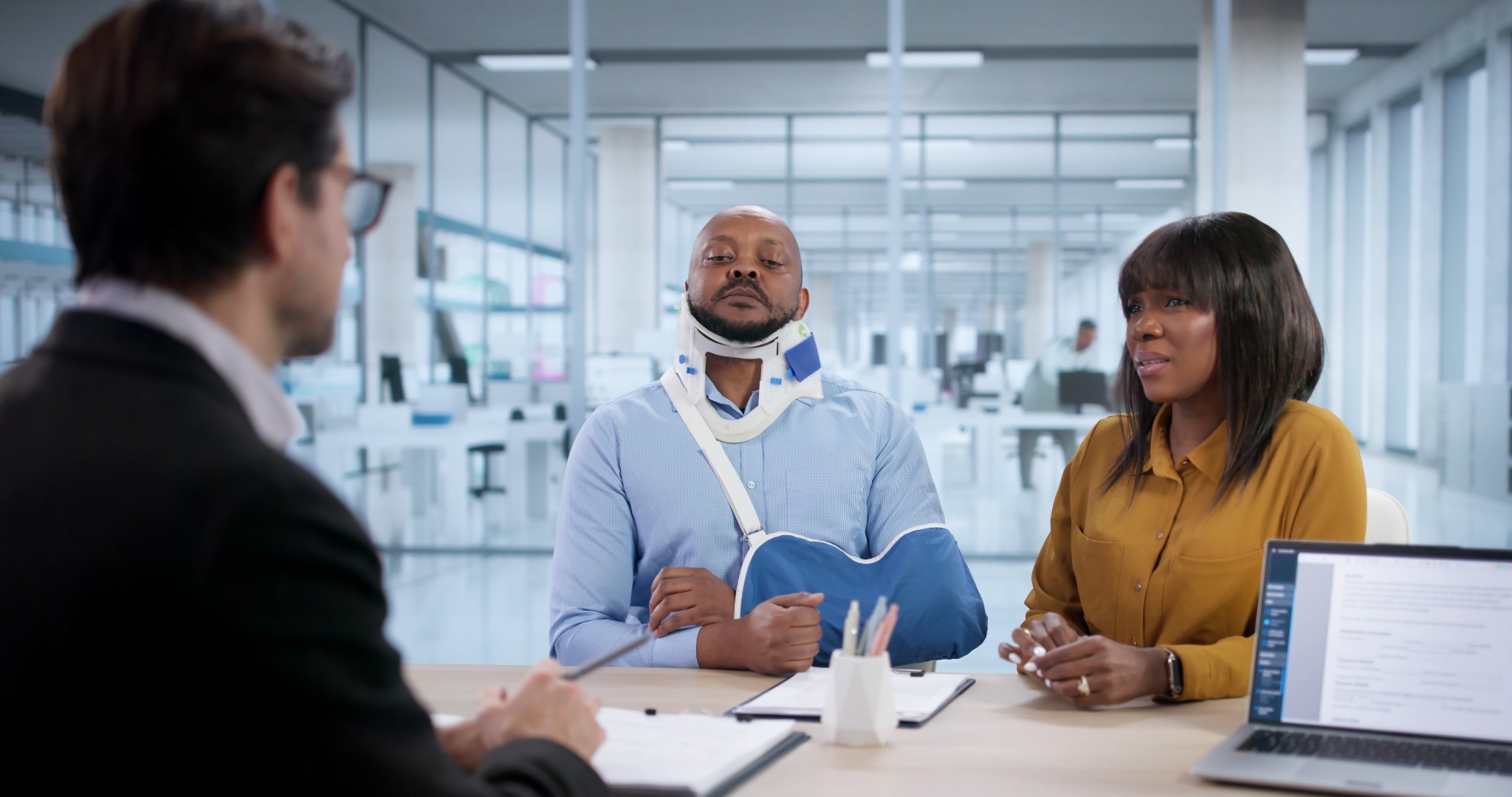
A man wearing a neck brace and arm sling sits beside a woman during a legal consultation

The work families take on

Caregiving belongs in the factual picture.

A practical plan should also distinguish temporary help from needs expected to continue. Tell us what is difficult at home and what remains uncertain medically. That detail is more useful than a generic checklist of severe-injury expenses.

Long-term proof

Build a supported picture of future needs.

Serious injuries may call for medical, vocational, or financial expertise. The purpose is to explain why a future expense or work limitation is reasonably supported. An expert estimate is part of the evidence, not a promise of what a claim will produce.

Medical and care planning

A prognosis and treating recommendations may support projections for therapy, supplies, equipment replacement, and assistance. A life-care plan can organize those needs. It should explain its assumptions and distinguish an ongoing recommendation from a treatment that is merely possible.

Employment and finances

Age, training, prior earnings, job requirements, and realistic employment options all affect an earning-capacity analysis. Benefits and insurance may raise separate reimbursement or coordination issues. We examine those questions before treating a proposed payment as the amount available to the household.

Pain and independence

Describe the activities, relationships, and routines affected by the injury in concrete terms. A short, accurate record can help alongside medical evidence. Avoid exaggeration or a daily script; consistency matters more than using the same description every time.

A relative’s help does not make the need disappear. Record the tasks, time, and provider recommendations. Whether that assistance supports recoverable damages depends on the evidence and applicable law.

Early evidence

Follow the evidence while treatment is underway.

A family member can help identify where records are held without making medical or legal decisions for the injured person. Authority to act may require separate review when the person cannot consent or manage their own affairs.

Identify the incident records

Note the exact location, date, responding agency, and report number. Save original images and witness details. For an injury on private property, record the business or association involved and any incident paperwork, rather than assuming the visible name identifies the responsible entity.

Protect physical and digital evidence

Keep damaged equipment, vehicle information, messages, and relevant recordings when available. Do not repair or discard important items without considering their evidentiary role. A lawyer can evaluate preservation requests to a business, carrier, or other record holder.

Connect the treatment sequence

List each treating provider and save discharge instructions, restrictions, and follow-up referrals. Gaps in records can obscure how the injury developed. Continue care as directed by clinicians; a legal investigation does not substitute for medical advice.

Bring the questions your family is carrying.

Call 954-465-8733 for a free consultation about evidence, deadlines, insurer requests, and documented future needs. You do not need every bill organized before calling. The written fee agreement explains the fees and costs if the firm accepts the matter.

Call 954-465-8733 →

When you are helping someone else

Making the first call is different from making decisions for a loved one.

You can contact us to explain the situation. If the injured person can make decisions, we work with them and include others with permission. Their voice remains central.

If they cannot make legal decisions

Tell us about any existing power of attorney or guardianship papers. We can review what authority exists and explain whether further legal steps are needed. A family relationship alone does not answer every authority question.

If someone asks you to sign

Keep the document and ask what it authorizes. The scope of a Florida power of attorney depends on its terms and the law. Do not assume permission to help with care also authorizes settlement of a claim.

The responsible parties

We examine the conduct, control, and causal connection for each potential defendant. A business, contractor, or insurer may dispute those facts. Injury severity does not resolve who owed a duty or establish that more than one party is liable.

The claim route

Responsibility, coverage, and timing need separate answers.

A lasting impairment can follow a vehicle collision, unsafe property, or another event. The underlying cause determines the legal analysis. Our Pembroke Pines personal injury page explains the broader claim process.

2 years, generally, for negligence

The filing calendar

Many Florida negligence claims currently have a two-year filing period under the limitations statute. Other claims and defendants can change the analysis or add notice requirements. An early call can identify the route before waiting for treatment to finish.

Read Florida’s limitations statute ↗

More help for a specific injury

Several injuries may need one coordinated claim.

A person may be coping with more than one diagnosis. We consider how the injuries interact, while these guides explain issues that may matter for each type of harm.

Brain injury

Read about documenting symptoms, changes in daily function, and the need for support.

Spinal cord injury

Explore claims involving paralysis, mobility, personal assistance, and accessible living.

Severe burns

Learn about treatment, scarring, and the circumstances that can affect responsibility.

Limb loss, loss of sight, organ damage, and multiple severe injuries may also call for a review of lasting care and work needs.

Meet the partners

The partners serving Pembroke Pines.

Partners Mark J. Miller and Rick S. Jacobs serve Pembroke Pines clients from the firm's Pompano Beach office. Your consultation can address the evidence, the applicable claim, and the decisions ahead.

Mark J. Miller, partner at Miller & Jacobs

Partner

Mark J. Miller

Mark's biography describes work in insurance defense and prosecution before his plaintiff-side practice. That background informs the firm's evaluation of liability disputes and insurance positions.

Read Mark’s biography
Rick S. Jacobs, partner at Miller & Jacobs

Partner

Rick S. Jacobs

Rick's biography describes his service as an Assistant State Attorney in Miami-Dade County and his trial work. Read the published background for details of his professional experience.

Read Rick’s biography

Experience figures reflect the partners’ broader careers, not catastrophic-injury verdict counts. Past results do not guarantee a similar outcome.

Our South Florida office is at 1600 S Federal Highway, Suite 1101, Pompano Beach, FL 33062. Call 954-465-8733 before visiting.

View Pompano Beach office directions

Questions families ask

Questions from Pembroke Pines households

Your questions may change as care progresses. These are starting points for a discussion about your circumstances.

Can a relative make the initial call?

Yes. A relative can ask about the process and help organize basic information. Representation and access to private records require appropriate consent or legal authority. If the injured person cannot make decisions, tell us; guardianship or other authority may need separate attention.

Can unpaid family care be part of the claim?

It may be relevant, but recovery is not automatic. The need for the assistance, tasks performed, reasonable value, and applicable legal theory require review. Keep accurate records and any clinician recommendations. Paid assistance, lost wages, and family-provided services should not be counted twice.

What if my employer gives me lighter work?

Save the accommodation details, changed hours, and pay records. Modified work may show both the effort to remain employed and the limits imposed by the injury. Whether it supports lost income or reduced earning capacity depends on the medical and employment evidence.

Does catastrophic injury mean there is a separate lawsuit type?

Usually the claim still arises from the underlying event and legal theory, such as negligence or a defective product. Catastrophic describes the serious consequences. The cause of action controls what must be proved, which defenses apply, and how the filing period is evaluated.

How can I evaluate an offer before future care is known?

Identify what the release covers, the supported prognosis, expected needs, available insurance, and unresolved liens or reimbursement claims. Uncertainty may be a reason to obtain further information. We can discuss the offer's consequences without promising that a later offer will be larger.

Is there a Miller & Jacobs office in Pembroke Pines?

The firm serves Pembroke Pines from its Pompano Beach office at 1600 S Federal Highway, Suite 1101, Pompano Beach, FL 33062. Call 954-465-8733 for a free consultation. Ask how the firm can arrange communication around the injured person's needs.