Pompano Beach Boating Injury Help
A collision, ejection, propeller strike, near-drowning, charter injury, or Jet Ski crash can leave you managing medical care while no one has explained who owned the vessel, which agency made the report, or what insurance may apply.
Miller & Jacobs can help identify the operator, owner, rental or charter business, available coverage, and evidence that may change after a vessel is repaired, returned, or reset.
Our headquarters is in Pompano Beach. The consultation is free, and there is no attorney fee unless compensation is recovered for you.
You do not need the accident report, vessel registration, or every medical record before calling.
The location, vessel, and activity can change the rules.
Owners, rentals, charters, marinas, or manufacturers may hold part of the record.
Repairs, returns, resets, and overwritten data can alter what remains available.
The injury, losses, parties, coverage, and filing deadlines still require separate attention.
What to Know First
It is who controlled the vessel, trip, equipment, business relationship, and coverage when the injury occurred.
A claim may focus on the operator, but the record can also involve an owner who was aboard or operating, a rental livery, charter business, marina, employer, repair provider, or manufacturer. The correct path depends on the facts and the law that applies.
If you do not know the vessel number, insurance carrier, or name of every person involved, that is common. Start with the waterway, marina, date, passengers, hospital, photographs, or messages you already have.
A Pompano Beach personal injury lawyer can help determine which records and parties should be addressed first. If the injury occurred near Hollywood, our Hollywood boating accident page explains help with rental and visitor records for that area.
Before the Vessel Is Repaired or Returned
The injured person and family do not need to conduct their own investigation. A few details can help counsel request the correct records before the vessel changes hands, data is overwritten, or witnesses become harder to locate.
01
Vessel name or registration, operator, owner, passengers, witnesses, towing service, rescue agency, marina, or rental desk.
02
Damage, photographs, video, phones, GPS or chartplotter history, AIS or VHF information, engine data, and onboard electronics when available.
03
Ownership, rental or charter agreements, marina records, employment relationships, repair history, policy notices, and available liability coverage.
What the Claim Must Connect
The legal work must connect what happened on the water to the people and businesses involved, the injuries that followed, the available coverage, and the law and deadlines that govern the claim.
Collision, ejection, propeller contact, grounding, capsizing, fire, wake injury, equipment failure, or unsafe passenger movement.
Operator, captain, owner, rental business, charter company, marina, employer, repair provider, or product manufacturer.
Treatment, work, mobility, sleep, independence, family responsibilities, recreation, and future care can all become part of the record.
Florida law, maritime law, contracts, vessel status, policy language, and separate filing clocks may shape the path.
The Waterway and Activity Can Change the Legal Path
A recreational crash on navigable water, a rental or charter trip, a dock injury, a commercial operation, and an injured crewmember may not follow the same legal route. The correct analysis begins with where the incident occurred and what the vessel was doing.
Florida Vessel Rules
Florida law addresses careless or reckless operation, navigation rules, reporting duties, personal watercraft, and rental-livery requirements. The operator’s duty and any business records should be evaluated together.
General Maritime Law
Maritime law may affect fault, available remedies, procedure, and the filing period. A case can involve maritime rules even when it is filed in a state court.
Commercial, Rental, and Product Paths
Charter contracts, livery records, crew status, employer control, defective equipment, maintenance, and dock or marina conditions may create separate questions.
Tell us where the incident occurred and what kind of vessel, rental, charter, job, or trip was involved.
More Than One Person or Business May Hold Part of the Record
Florida vessel-owner liability is not identical to automobile-owner liability. Presence, operation, permission, maintenance, entrustment, agency, rental or charter relationships, and maritime law can change who should be reviewed.
At the Helm
Speed, lookout, navigation rules, impairment, passenger control, weather decisions, wake, and emergency response may matter.
Vessel Control
Owner presence, operation, maintenance, permission, knowledge, and control of the vessel may affect the analysis.
Rental or Charter
Instruction, seaworthiness, equipment, agreements, insurance information, renter eligibility, and trip management may require review.
Shore-Side Control
Lighting, access, dock conditions, fueling, mooring, security, maintenance, and control of the location can create separate duties.
Equipment and Repair
Steering, engine, fuel, electrical, fire-suppression, warning, repair, inspection, or component defects may require technical review.
Commercial Relationships
Agency, employment, vessel use, dispatch, training, supervision, contracts, and commercial policies may expand the record.
The Pompano Beach Setting
A serious injury near a bridge, inlet, marina, rental return, charter route, or offshore fishing area can involve different agencies, businesses, witnesses, electronics, and insurance documents.
Intracoastal and Bridges
Nearby vessels, bridge operations, marinas, cameras, dock staff, speed zones, and navigation data may help explain what occurred.
Hillsboro Inlet and Ocean Access
Rescue records, weather and tide data, chartplotters, witnesses, towing, and vessel condition can become important.
Offshore and Charter Routes
Charter agreements, Coast Guard credentials, manifests, communications, maintenance, and commercial policies may require review.
Marinas, Ramps, and Rental Returns
Rental instruction, inspection, return condition, surveillance, fuel receipts, dock records, and staff observations can preserve the timeline.
A Practical Boating Injury File
Some of the most useful details are ordinary items already on a phone, in an email, or in a discharge folder.
A BUI arrest, test result, citation, or officer observation may be useful evidence, but it does not complete the civil injury claim. The claim still must connect the conduct to the injury, identify every relevant person or business, document the losses, and locate available coverage.
01
Agency and report information
FWC, sheriff, police, fire-rescue, Coast Guard, towing, incident number, testing, citations, dispatch, rescue information, date, and location.
02
Vessel, operator, and owner identity
Name, registration, hull number, operator, captain, owner, photographs, rental company, charter name, marina, or listing page.
03
Photos and video
Damage, location, passengers, weather, onboard clips, phones, nearby cameras, and social posts.
04
Passengers and witnesses
Names, phone numbers, nearby boaters, dock staff, rescue personnel, and anyone who saw the vessel before or after.
05
Navigation and communications
GPS, chartplotter, AIS, VHF, engine, text, call, app, and weather information when available.
06
Rental, charter, and marina records
Agreements, instruction forms, insurance details, manifests, receipts, inspection, maintenance, management, and return paperwork.
07
Rescue and medical records
Hospital, ambulance, emergency department, imaging, specialist, therapy, medications, and restrictions.
08
Bills, work, and family notes
Medical costs, missed work, travel, assistance, sleep, mobility, household limits, and changes noticed at home.
Do not authorize disposal or repair of involved equipment, sign a broad release, erase messages, or guess in a recorded statement before understanding the request.
The Claim Should Track the Life You Are Living Now
A supported claim should account for the medical, financial, functional, and personal changes caused by the injury. The available categories depend on the facts, governing law, and evidence.
Treatment
Emergency care, surgery, rehabilitation, medication, specialists, assistive devices, and supported future treatment.
Work
Missed time, reduced hours, job limits, slower performance, career changes, and supported future earning loss.
Physical Harm
Ongoing pain, burns, amputation, mobility limits, neurological symptoms, disfigurement, and loss of ordinary activity.
Daily Life
Household work, childcare, driving, appointments, recreation, personal care, and help the injured person now needs.
Property
Repair or replacement issues, equipment, phones, fishing gear, clothing, and other documented property damage.
Fatal Injury
When a boating incident causes a death, Florida law separates survivor and estate losses. Read about wrongful-death help →
Reporting and Filing Rules Are Not the Same Thing
Florida requires certain boating accidents to be reported when they involve death or disappearance, medical treatment beyond first aid, at least $2,000 in property damage, or complete vessel loss. That reporting duty is different from the time allowed to file a civil claim.
The right deadline can change when maritime law, a government entity, death, employment or crew status, a contract, or a vessel-owner limitation proceeding is involved.
Florida law calls for immediate reporting to the FWC, sheriff, or local police when the statutory injury, death, disappearance, damage, or vessel-loss threshold is met. Read § 327.30 →
Many negligence actions governed by Florida law generally have a two-year limitations period. A different cause of action or defendant can change the date.
A federal maritime tort claim is generally subject to a three-year period unless another law, contract, or proceeding controls. The applicable clock should be identified, not assumed.
Limitation Proceeding
After written notice of a claim, an owner may have six months to seek limitation. That filing can create fast court deadlines for injured people.
Other Notice Rules
Employment status, ticket or charter terms, public entities, and other statutes can create separate requirements.
Criminal Case
An FWC investigation or BUI case does not automatically preserve the injured person’s civil claim.
A Pompano Beach Home Base
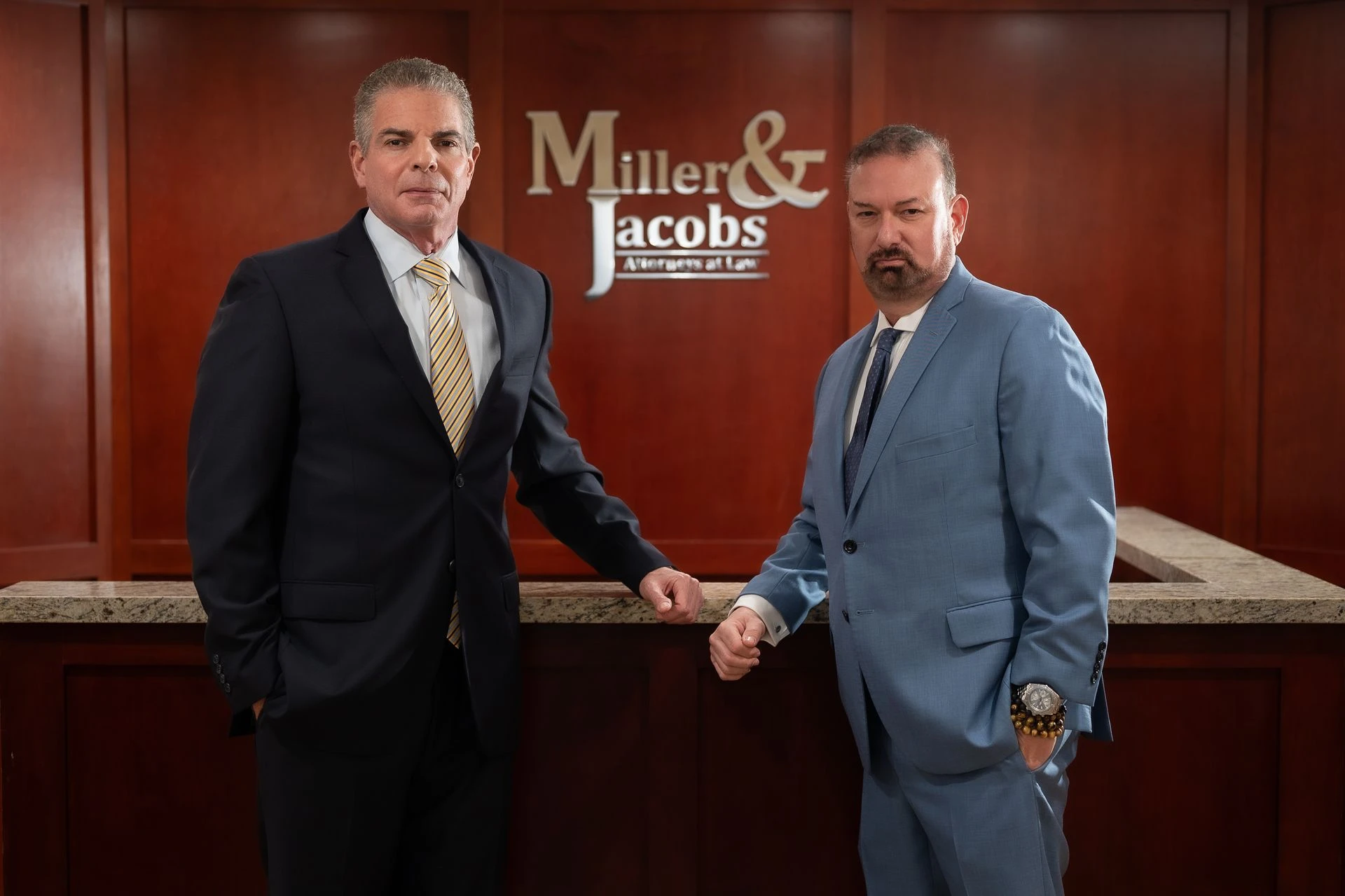
Miller & Jacobs meets clients at its Pompano Beach headquarters and can also speak by phone or video. The firm serves injured people across Broward County and throughout Florida, so distance does not have to add another burden while you are recovering.
POMPANO BEACH OFFICE
1600 S Federal Highway, Suite 1101
Pompano Beach, FL 33062
954-465-8733
Experience You Can Verify
Mark J. Miller and Rick S. Jacobs bring backgrounds in prosecution, insurance defense, civil litigation, negotiation, and jury trials.
Reported recoveries
Combined jury trials
Both admitted to The Florida Bar

Partner
Former Assistant State Attorney, former insurance-defense lawyer, and more than 70 reported jury trials.
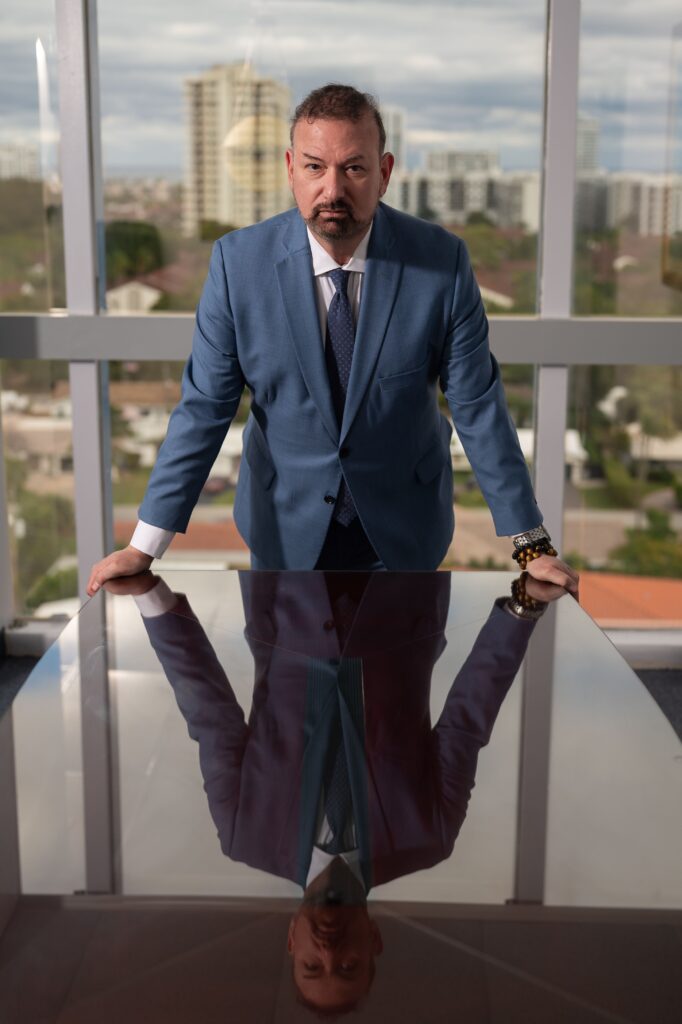
Partner
Former Miami-Dade Assistant State Attorney with more than 160 reported jury trials.
Past results do not guarantee a similar outcome. Every matter depends on its facts, evidence, injuries, available coverage, and applicable law.
Clear Answers After a Boating or Jet Ski Accident
These answers describe general rules. The waterway, vessel, trip, injuries, parties, contracts, and available evidence can change the analysis.
No. Bring the date, location, hospital, photographs, messages, or the name of any agency involved. The correct report can be requested later.
That is common. A registration number, vessel name, rental receipt, marina, charter listing, photograph, or passenger contact can help identify the vessel and relationships.
Rental liveries and charter businesses may hold instruction, agreement, insurance, maintenance, manifest, and trip records. Their duties differ, so the business model and documents matter.
Not automatically. Florida vessel-owner liability is not identical to automobile-owner liability. Operation, presence, permission, maintenance, entrustment, agency, business relationships, and maritime law may matter.
No. It may provide important evidence, but the claim still must prove causation, identify the responsible parties, document the injuries and losses, and locate available coverage.
Fault may reduce recovery under the law that applies. A life-jacket issue does not automatically end the claim. Duty, causation, age, vessel type, and state or maritime rules require review.
It may involve one or both. The location, navigability of the water, vessel activity, parties, and claim type help determine the legal path and deadline.
It is a federal court process through which an owner may seek to limit liability. It does not automatically mean liability will be limited, but it can create short deadlines for filing claims in that case.
Many Florida negligence claims generally have a two-year period, while maritime tort claims generally have a three-year period. Other laws, contracts, defendants, and court proceedings can change the date.
The consultation is free. There is no attorney fee unless compensation is recovered. Bring whatever information or records are available.
Bring Whatever You Already Have
Tell Miller & Jacobs what happened, where the incident occurred, what care followed, and what feels harder now. We can help organize the vessel, medical, coverage, and legal record while you focus on recovery.
01
What happened and where
Waterway, marina, vessel, rental, charter, passengers, report number, photograph, or the part you remember.
02
What care followed
Hospital, provider, discharge papers, medication, appointments, surgery, therapy, or restrictions.
03
What changed
Symptoms, missed work, driving or mobility limits, household changes, and concerns your family has noticed.
Related Pompano Beach Resources