Pompano Beach · Serious Injury & Loss
A serious burn can turn ordinary routines into medical decisions, financial pressure, and questions no one prepared you to answer. We help investigate what caused it and build a claim around the recovery still ahead.
You do not need to know whether a driver, landlord, employer, contractor, manufacturer, or another company is responsible before calling. You can start with the part you know.
Free consultation. Our fee is a percentage of any recovery. If there is no recovery, there is no attorney fee.
$150M+
Reported Recoveries
50+
Years Combined
230+
Combined Jury Trials
Pompano
Beach Headquarters
Start Here
A burn claim rarely arrives as a clean legal question. You may know what exploded, sparked, spilled, or caught fire. You may not yet know why it happened or which company controlled the danger.
That uncertainty is normal. The first conversation should help identify what needs attention now.
01
Burn depth, infection risk, scarring, movement limitations, and the need for additional procedures may become clearer over time. A quick settlement may not account for care that has not happened yet.
02
The product, vehicle, surveillance footage, fire report, inspection history, maintenance record, or worksite equipment may be held by someone else.
03
A single incident can involve a property owner, contractor, manufacturer, driver, employer, subcontractor, marina, or another third party. The correct path depends on the facts.
Miller & Jacobs can review those paths while you focus on medical care. Our broader Pompano Beach personal injury practice provides a framework for overlapping property, product, vehicle, and worksite responsibility.
You bring the part you know. We help identify the next useful question.
Let’s Trace What Caused It →
The Human Part of Recovery
The burn may have happened in an instant, but the recovery can last anywhere from weeks to the rest of your life. It can enter every ordinary moment: changing a dressing, pulling on a shirt, returning to work, or wondering how people will react when they see the scars.
The legal claim should account for the full human story, not only the first emergency-room bill.
Get the Help You Deserve →Cause Shapes the Investigation
Doctors assess depth, size, location, and effect. A legal investigation examines the source, the safeguards that should have been in place, and who controlled them.
Medical Care Comes First
Electrical injuries can cause internal damage. Smoke or chemicals can injure the airway. Burns across joints can affect movement. Treatment decisions belong to the medical team.
When an injury causes permanent disfigurement, loss of function, or extensive future care, it may also overlap with a catastrophic injury claim.
Building fires, restaurant equipment, pressurized steam, fuel ignition, hot surfaces, and overheated machinery can raise questions about fire origin, wiring, ventilation, alarms, suppression systems, and maintenance.
Acids, cleaners, solvents, pool chemicals, and industrial products can bring labeling, storage, protective equipment, training, and spill response into the case.
Faulty wiring, exposed current, utility equipment, batteries, appliances, or high-voltage contact may require review of installation, inspection, maintenance, product design, and work practices.
A person dragged across pavement may suffer a combined abrasion and heat injury with embedded debris, infection risk, and permanent scarring.
Heat, smoke, and toxic fumes can damage airways and lungs even when external burns appear limited, changing both the medical and legal severity of the case.
Local Context Without City-Name Stuffing
Burn injuries can arise from roadways, properties, products, workplaces, and waterfront activity. Each setting creates a different evidence trail.
A collision on I-95, Atlantic Boulevard, Federal Highway, Sample Road, or another local route may lead to a fuel-fed fire, hot-fluid exposure, electrical fire, or component burn. The claim may involve a driver, carrier, owner, or defective part.
Car accident claims →Faulty wiring, unsafe equipment, blocked exits, failed alarms, missing suppression systems, and unsafe water heaters may raise questions about owners, managers, vendors, and contractors.
Premises liability →Lithium-ion batteries, e-bikes, chargers, heaters, kitchen appliances, and machinery can overheat, ignite, leak, or explode. Preserve the product and identifiers when safe.
Defective-product claims →Welding, hot work, electrical systems, chemicals, steam, fuel, and machinery can create burn hazards. Workers’ compensation may apply, while a separate third-party claim may also exist.
Construction accidents →Fuel vapors, engine-compartment fires, shore-power failures, battery systems, and improper maintenance can involve operators, owners, rental companies, marinas, service providers, or manufacturers.
Boating accident claims →Build the Responsibility Map
Responsibility often becomes clearer by connecting the dangerous source to the person or company that controlled it, the safeguard that failed, and the records that can confirm what happened.
The hazard
Identify what ignited, leaked, overheated, ruptured, sparked, or released the heat, flame, electricity, chemical, or smoke.
Control
Look at who owned, operated, installed, inspected, maintained, repaired, manufactured, sold, or supervised the dangerous source.
Protection
The answer may involve an alarm, shutoff, warning, guard, ventilation system, inspection, training step, protective device, or safer design.
Proof
Fire and incident reports, video, work orders, inspection files, product records, electronic data, witnesses, and insurance records may each reveal part of the chain.
Potentially Responsible Parties
• Driver or vehicle owner
• Property owner or landlord
• Hotel, restaurant, or manager
• Electrician or contractor
• Maintenance vendor
• Manufacturer or distributor
• Retailer or repair business
• Subcontractor or worksite company
• Boat owner, marina, or service provider
• Company that ignored a known hazard
A Critical Decision Point
A workplace burn does not automatically mean workers’ compensation is the only option. The answer depends on who caused the hazard and how the incident occurred.
Path One
Florida workers’ compensation may provide authorized medical treatment and partial wage benefits for a qualifying injury arising out of employment, generally without requiring proof that the employer was negligent.
Florida law generally requires an employee to advise the employer of the injury within 30 days, although the statute includes exceptions.
Path Two
A separate claim may be available when a subcontractor, property owner, equipment company, manufacturer, or another outside party contributed to the burn.
That claim can address losses handled differently through workers’ compensation, including the supported effect of pain, scarring, disfigurement, and reduced quality of life.
These paths can interact. One statement, authorization, lien, or settlement term may affect more than one claim.
Ask About the Insurance Paths →Build Around the Future, Not Just the First Bill
A burn claim is not valued by one photograph or a degree label. It depends on what happened and the injury’s supported effect over time.
Emergency care, hospitalization, wound treatment, surgery, grafting, medication, infection care, and follow-up visits.
Reconstruction, revision procedures, laser treatment, pressure garments, therapy, pain management, and other supported needs.
Range of motion, grip, walking, dressing, bathing, cooking, driving, sleep, and other daily tasks.
Time away, reduced hours, changed duties, retraining, and diminished future earning capacity when supported by evidence.
Visible scars may affect self-image, relationships, work, recreation, and the way a person moves through public spaces.
Anxiety, sleep disruption, trauma responses, counseling, transportation, wound-care support, and added household work.
Adaptive equipment, transportation, replacement services, home modifications, and additional help in a severe case.
The American Burn Association explains that specialized burn care can include surgery, physical and occupational therapy, outpatient scar care, counseling, social work, and survivor support. A claim should not be treated as complete before the medical future is sufficiently understood.
Protect Health, Then Protect the Record
Medical care comes first. These steps support the record and do not replace instructions from doctors, first responders, or safety professionals.
1
Keep appointments and follow treatment, therapy, medication, and referral instructions.
2
Preserve the product, battery, charger, clothing, container, or damaged component when safe.
3
Document the scene, missing safeguards, identifiers, damaged property, and healing process.
4
Keep bills, instructions, work notes, receipts, incident reports, and witness contacts.
5
Ask what a statement, authorization, release, or settlement document will permit.
6
Identify evidence holders, policies, notice rules, and deadlines before options narrow.
Generally
2 Years
Under the current version of Florida Statutes section 95.11, an action founded on negligence generally must be filed within two years. Different deadlines, notice rules, exceptions, and starting dates may apply. Workplace reporting can involve a much shorter window.
What the Firm Does Next
A serious burn case should be built from the cause forward and from the medical future backward.
01
Listen to the injured person and witnesses, identify likely evidence holders, and map the businesses, contracts, and insurers involved.
02
Request relevant reports, footage, inspections, work orders, safety policies, product data, incident files, or physical evidence.
03
Evaluate property safety, driving conduct, product defects, contractor practices, workplace relationships, maintenance, and other supported theories.
04
Understand procedures, scar care, functional limits, future treatment, and recovery uncertainty through records and qualified professional opinions.
05
Connect the medical evidence, income impact, daily limitations, scarring, emotional effects, family support, and future needs.
06
Many claims resolve without trial. Others require filing suit. The record should make either path credible.

Experience You Can Check
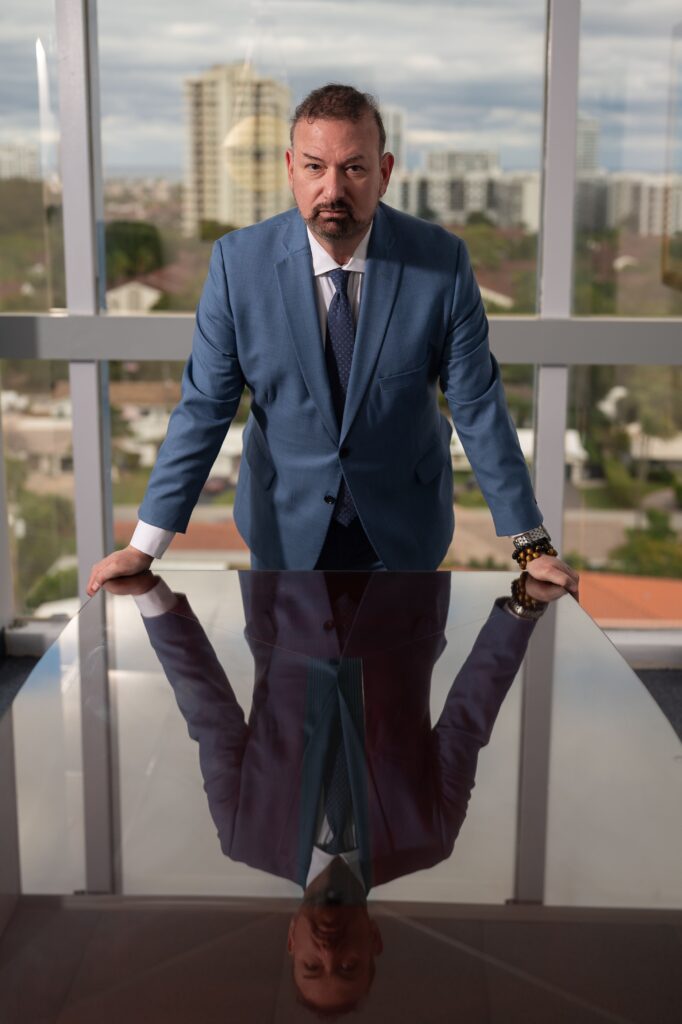
Mark J. Miller and Rick S. Jacobs are former prosecutors with more than 50 years of combined legal experience and 230+ combined jury trials. Miller & Jacobs reports more than $150 million in recoveries across its personal injury practice.
Those numbers matter only when the work behind them is applied to the person in front of the firm. A burn case may require patience while the medical picture develops, urgency when evidence is at risk, and judgment about when to negotiate, investigate further, or litigate.
$150M+
Reported Recoveries
50+
Years Combined
230+
Combined Jury Trials
Pompano Beach Headquarters
1600 S. Federal Highway, Suite 1101
Pompano Beach, FL 33062
A Better First Question
You may have a product in a box, a fire report number, photographs on a phone, a name from a worksite, or only a memory of the moment everything changed. That is enough to begin a conversation.
Miller & Jacobs can help identify the next useful question, determine what may need to be preserved, and explain the possible paths without asking you to make a legal diagnosis first.
The consultation is free. Our fee is a percentage of any recovery. If there is no recovery, there is no attorney fee.
Decision-Stage Questions
These answers provide a starting point. The facts of the incident, medical course, defendants, and insurance determine the specific legal analysis.
Continue Where Your Facts Lead
A broader overview of accident and injury claims handled from the firm’s Pompano Beach office.
Learn More →Permanent disability, extensive future care, and life-changing loss of function.
Learn More →Unsafe appliances, batteries, machinery, chargers, and other products.
Learn More →Unsafe conditions at apartments, hotels, restaurants, and businesses.
Learn More →Jobsite fires, electrical exposure, hot work, steam, and chemicals.
Learn More →Phone, virtual, and office consultations are available when appropriate.
954-465-8733
1600 S. Federal Highway, Suite 1101
Pompano Beach, FL 33062