
01
Imaging
A CT scan can identify findings such as skull fractures, bruising, bleeding, or swelling. MRI may reveal subtler changes that a CT scan does not show. The need for imaging is a medical decision.
Pompano Beach brain injury help
A concussion or more severe TBI can leave you managing headaches, memory problems, dizziness, sleep changes, work restrictions, and a family that can see you are not yourself.
Miller & Jacobs connects the medical record to the way the injury has affected your day, then pursues the compensation available under the facts and applicable coverage.
Our headquarters is in Pompano Beach. The consultation is free, and there is no attorney fee unless compensation is recovered for you.
You can start with what you remember. We can help organize the rest.
Some begin right away. Others may appear hours or days later.
Thinking, balance, mood, and sleep can all be affected.
A head or body jolt does not automatically mean a TBI.
Responsibility and coverage depend on how the injury occurred.
When something feels different
Brain injury symptoms vary from person to person and can overlap with other medical conditions. Tell a healthcare provider what happened and what has changed, even if the changes feel hard to describe.
Start with what you know →01
Feeling slowed down or foggy, trouble concentrating, difficulty remembering new information, or needing more time to complete familiar tasks.
02
Headache, dizziness, balance problems, nausea, fatigue, blurred vision, or increased sensitivity to light and noise.
03
Irritability, anxiety, sadness, sleeping more or less than usual, or struggling to settle into a normal sleep schedule.
Do not wait on emergency signs
After a head or body injury, seek emergency care for danger signs such as a worsening headache, repeated vomiting, seizure, weakness or numbness, slurred speech, unusual confusion or behavior, unequal pupils, or an inability to wake.
• Worsening headache
• Repeated vomiting or seizure
• Weakness or poor coordination
• Increasing confusion or unusual behavior
A medical image is one part of the record
Healthcare providers may use symptoms, a neurological examination, and imaging to evaluate a possible TBI. A legal claim also needs an accurate record of how the injury has affected work, independence, relationships, and future care.
Tell us what happened, what care you received, and what feels harder now. Miller & Jacobs can help organize the medical, functional, and insurance record while you focus on recovery.
The source of the injury changes the legal path
A Pompano Beach personal injury lawyer should trace the injury back to the person, business, property condition, product, or policy that may be responsible.
Road crashes
Drivers, vehicle owners, employers, and available policies may all require review.
Heavy vehicles
Carrier, dispatch, qualification, maintenance, loading, and insurance records may matter.
Vulnerable road users
Impact mechanics, visibility, roadway design, and available coverage can shape the claim.
Unsafe property
Notice, inspection, maintenance, lighting, stairs, spills, and surveillance may need review.
Water and recreation
Operator conduct, vessel condition, safety practices, and maritime issues may affect the path.
Security and conduct
The attacker’s conduct and a property owner’s security duties are separate questions.

The Pompano Beach setting
A roadway collision, fall at a condo, boating incident, or workplace injury does not create the same record. Local context helps identify the right witnesses, businesses, agencies, and sources of coverage.
High-volume roads
Traffic controls, merging, commercial vehicles, construction, visibility, and nearby businesses may help explain what happened.
Condos, hotels, and retail
Inspection practices, maintenance records, incident reports, cameras, lighting, stairs, and access control can become important.
Waterfront activity
Vessel operation, ownership, passenger safety, equipment, and the location of the incident may affect the legal analysis.
Work and public spaces
Employers, contractors, property owners, product manufacturers, and public entities can present different duties and notice rules.
The claim should track the life you are living now
A claim should account for the losses the evidence supports, including the parts of work, family life, independence, and future care that became harder after the injury. A brain injury involving a child may also require evidence of development, school performance, behavior, and future independence as the brain matures.
Thinking
Difficulty following conversations, remembering instructions, organizing tasks, or finding the right words can affect work and home.
Movement
Dizziness, fatigue, poor balance, driving limits, and the need for rides or assistance can change ordinary routines.
Work
Missed time, reduced hours, errors, slower performance, restrictions, job changes, and diminished future capacity require careful support.
Wellbeing
Sleep disruption, irritability, anxiety, sadness, and fear can affect the injured person and the family around them.
Independence
Household tasks, childcare, recreation, social connection, and the ability to manage appointments or finances may change.
Future
Therapy, medication, specialist care, assistive services, vocational support, and future medical needs should be evaluated when supported.
Compensation follows responsibility and coverage
Compensation may include supported medical expenses, lost income, diminished earning capacity, assistance needs, pain, disability, and other losses allowed by Florida law.
The correct path depends on how the injury occurred and the policy language in force. No single source applies to every TBI claim.
May address losses caused by a negligent driver, business, property owner, operator, or other responsible party.
May apply in a motor-vehicle claim when an at-fault driver has no insurance or too little coverage, subject to policy terms.
Employer, carrier, premises, contractor, product, marine, or umbrella coverage may require review depending on the facts.
Health coverage may pay treatment costs while reimbursement rights, liens, deductibles, and benefit coordination are addressed.
Filing time
Different parties and claims may have different or shorter requirements. Read Florida Statute § 95.11.
Comparative fault
Applicable negligence claims are reduced by fault, and recovery is generally barred when the injured party is found more than 50% at fault. Read § 768.81.
Motor-vehicle PIP
This timing rule applies to PIP medical benefits after a motor-vehicle accident, not every TBI claim. Read § 627.736.
This is general information, not a promise of coverage or outcome. Deadlines, notice rules, parties, policy terms, and available compensation depend on the facts.
You deserve clear answers about what comes next
Tell Miller & Jacobs what happened, what the doctors have said, and what has become harder since the injury. We can organize the claim, deal with the insurers, and pursue compensation while you focus on treatment and the people who depend on you.
Bring whatever you already have
01
What happened
A report number, photograph, location, witness name, or the part of the event you remember.
02
What care followed
The hospital or provider name, discharge papers, medication list, appointments, or restrictions.
03
What changed
Symptoms, missed work, driving or household limits, and concerns your family has noticed.
Help from our Pompano Beach headquarters
Miller & Jacobs meets clients at its Pompano Beach headquarters and can also speak by phone or video. The firm serves injured people across Broward County and throughout Florida.
POMPANO BEACH OFFICE
1600 S Federal Highway, Suite 1101
Pompano Beach, FL 33062
954-465-8733
Experience you can verify
Mark Miller and Rick Jacobs bring backgrounds in prosecution, insurance defense, civil litigation, negotiation, and jury trials.
$150M+
Reported recoveries
230+
Combined jury trials
1995
Both admitted to The Florida Bar

Partner
Former Assistant State Attorney, former insurance-defense lawyer, and more than 70 reported jury trials.
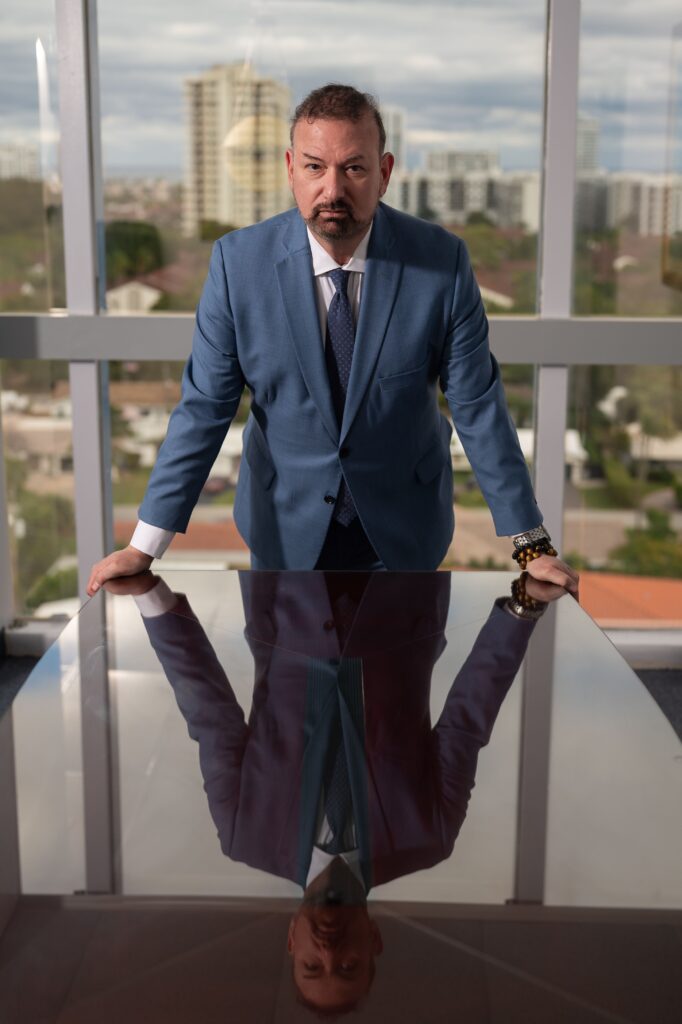
Partner
Former Miami-Dade Assistant State Attorney with more than 160 reported jury trials.
Past results do not guarantee a similar outcome. Every matter depends on its facts, evidence, injuries, available coverage, and applicable law.
Questions patients and families ask first
These answers are a starting point. Medical diagnosis, the cause of the injury, policy language, and the people or businesses involved can change the analysis.
Yes, loss of consciousness is not required for every TBI. Symptoms and severity vary, and only a qualified healthcare provider can diagnose the injury.
A normal scan does not by itself answer whether a person has a mild TBI. Providers also consider the history, symptoms, neurological findings, and whether further evaluation is appropriate.
CDC guidance explains that some symptoms may appear later. Report new or worsening changes to a healthcare provider and seek emergency care for danger signs.
They may help document changes in memory, mood, communication, stamina, work, or daily routines. Their observations do not replace medical evaluation.
Not automatically. Accurate prior history matters, and the record should distinguish the person’s condition before the incident from new or worsened problems afterward.
That depends on the cause. A driver, employer, carrier, property owner, business, vessel operator, contractor, manufacturer, or another party may require investigation.
Depending on the facts, supported losses may include medical costs, future care, lost income, diminished earning capacity, assistance needs, pain, disability, and other legally recoverable harm.
Most Florida negligence actions have a two-year limitations period, but other claims and notice rules may be shorter or different. The correct date should be checked promptly.
The consultation is free. There is no attorney fee unless compensation is recovered for you, subject to the written representation agreement.
Bring whatever is available, such as the location, report number, provider name, insurer message, photographs, work note, or a short list of changes you or your family have noticed.
Related Pompano Beach resources