
Pompano Beach & Orlando | Serving Clients Across Florida
Call Today: 877-848-5297

Florida alcohol liability

What Is Dram Shop Liability

By Miller & Jacobs Accident Attorneys

Dram shop liability is a claim that an alcohol provider is legally at fault for harm linked to a customer's alcohol impairment. In Florida, serving an adult who looks drunk does not, by itself, create that liability.  Section 768.125  sets two narrow exceptions: willful, unlawful service to someone under 21, and knowing service to a person habitually addicted to alcohol.

A bar claim is not automatic after a drunk-driving crash. Who served the alcohol, what they knew and how the injury happened all matter. Start by checking which exception, if any, fits the facts.
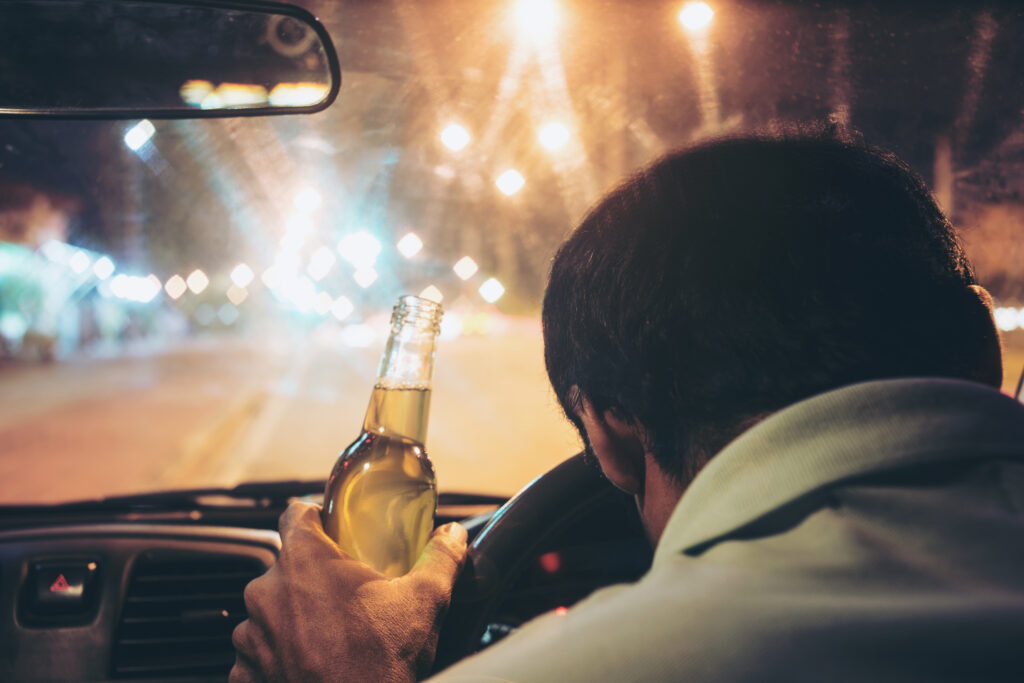
DUI accident

What Florida's law does

“Dram shop” refers to legal fault tied to selling or serving alcohol. State rules differ. Florida's general rule protects a provider from a claim based only on serving a person of lawful drinking age who later caused harm while drunk.

The exceptions can matter to commercial alcohol providers, such as bars, restaurants or stores. A business's name or liquor license does not settle the claim. The claim must name the right party and explain what happened during the service.

A claim against the driver also needs its own review. Whether a bar may be liable is a separate question from whether the driver caused the crash.

The two narrow exceptions

The statute treats underage service and habitual addiction differently. Neither exception makes the provider at fault for every later injury.

Willful, unlawful service to someone under 21

This exception addresses a provider who willfully and unlawfully sells or furnishes alcohol to a person below the lawful drinking age. It also requires a link between the person's alcohol impairment and the injury or damage.

In  Faircloth v. Main Street Entertainment,  the Florida Supreme Court explained that willfulness here means knowing the recipient was under 21. Knowledge can be shown through circumstantial evidence: facts that allow an inference about what the provider knew. The person's age alone does not settle what the provider knew.
Section 562.11  sets Florida's rules on furnishing alcohol to people under 21. A civil claim still must meet the law's requirements.

Knowing service to a person habitually addicted to alcohol

For a patron age 21 or older, the exception concerns knowingly serving a person habitually addicted to alcohol. Being drunk on one night is different from a pattern of addiction. The claim must address both the condition and the provider's knowledge of it.

The statute does not make a bar liable simply because a customer had several drinks, appeared impaired or later received a DUI charge. Nor does a person's drinking history, by itself, show what a particular provider knew.

What must be shown about knowledge and harm?

In  Ellis v. N.G.N. of Tampa,  the Florida Supreme Court said that serving multiple drinks on one occasion is not enough, by itself, to show knowing service to a habitually addicted person. Substantial service on multiple occasions can help show what the provider knew. The full facts still must be weighed.

That distinction matters. A witness who saw a customer stumble may describe impairment at that moment. It does not automatically establish habitual addiction or show that the provider knew about it. Past dealings may matter, but no single fact guarantees the result.

Even when an exception fits, the claim must connect the service, the person's alcohol impairment and the harm. Merely showing that someone left a bar before an accident does not settle causation: the link to the harm. The events, timing and other possible causes still matter.

Faircloth explains that proving a breach of the law does not, by itself, prove the whole negligence claim. The connection to the injury must also be proved.

A private social host is a different legal question

Do not assume that a person hosting a private party has the same liability as a commercial alcohol vendor. In  Bankston v. Brennan,  the Florida Supreme Court held that section 768.125 did not create a claim against a social host who furnished alcohol to a minor. It also declined to create that claim under the common law.

Other alleged conduct or independent duties need their own review. The social-host ruling does not answer every possible claim from a party.

Criminal rules and civil claims have different requirements

Section 562.50  describes a criminal offense involving service to a habitually addicted person after specified written notice from a relative. Ellis held that this prior written notice is not a requirement for the civil habitual-addiction claim under section 768.125.

A civil claimant still must prove what the provider knew and the other required facts. A charge, licensing violation or absence of a criminal case does not, on its own, answer the civil-liability question.

Check fault, losses and the filing deadline

In Faircloth, the court held that the underage-service exception permits a negligence action under Florida's comparative-fault statute. It did not decide exactly how fault should be split between the bars and patrons in that case. The case applied 2014 law; it did not decide the effect of the 2023 changes on later claims.

Under the current  section 768.81,  a person's share of fault can affect recovery. In covered negligence actions, more than 50 percent fault for one's own harm bars recovery of damages in that negligence action. A lawyer must check which version of the law applies to the case. Adding another defendant does not automatically cancel a fault reduction.
Separate limits can apply when an injured person was intoxicated.  Section 768.36  requires the specified intoxication findings. It also requires a finding that, as a result of that intoxication, the injured person was more than 50 percent at fault for their own harm. It does not bar every injured drinker's claim merely because the person consumed alcohol.

The losses claimed also need support. Medical bills, lost income and the effects of an injury need review under the applicable law. The existence of a bar or an insurance policy does not guarantee payment, coverage or a set amount.

Section 95.11  provides a two-year period for negligence actions. The  2023 amendment  applies to causes of action accruing after March 24, 2023. Earlier claims or other claim types may follow different rules. Have the exact deadline checked promptly. You do not need to wait until treatment ends or every record arrives before asking about it.
Older incidents may require an earlier version of the law. The  2021 version of chapter 768  is a historical reference.

Talk through the facts

Speak With Our Injury Lawyers About a Dram Shop Claim
A lawyer can review who served the alcohol, which exception may apply and how the events link to the injury. Bring the facts you have; you do not need to work out the legal issues on your own.
Miller & Jacobs Accident Attorneys  can discuss a possible civil injury claim. You can  contact the firm  or call  (877) 848-5297.
Orlando personal injury lawyer

Common questions about Florida dram shop liability

No. Serving an adult who looks intoxicated does not, by itself, satisfy Florida's dram-shop exception. For a patron age 21 or older, the claim must address known habitual addiction and the required link between alcohol impairment and harm.

No. Ellis held that the written notice described in the criminal statute is not a requirement for the civil claim. What the provider knew and the other required facts still must be proved.

Potentially. Ellis, decided in 1991, allowed an injured adult drinker's case to proceed beyond dismissal. Later laws on intoxication and fault also need review. The exception, knowledge and link to the harm still must be shown. The older case does not guarantee recovery today.

No. Bankston held that section 768.125 did not create the claim against the private social host in that case. Other alleged conduct needs its own legal review.