
Most people assume that if a bar kept serving a visibly drunk driver, the bar bears some responsibility for what happened next. In Florida, that assumption is mostly wrong.
Florida Statute § 768.125 protects bars, restaurants, and other licensed alcohol vendors from civil liability in nearly every scenario involving an adult patron. The law carves out only two narrow exceptions, and proving either one demands a level of investigation that goes far deeper than the crash itself.
If you were injured by a drunk driver who was served at a Fort Lauderdale bar or restaurant, speaking with a dram shop lawyer in Fort Lauderdale about your options may be worth doing sooner rather than later.
Key Takeaways About Florida's Dram Shop Law and Bar Liability
- Under Florida Statute § 768.125, bars and alcohol vendors are generally shielded from liability when they serve an adult of legal drinking age, even if that person later causes an accident while intoxicated.
- Florida law creates only two exceptions to that shield: serving a minor, or knowingly serving a person who is habitually addicted to alcohol.
- Proving habitual addiction requires more than showing the driver was drunk that night. A valid claim demands documented evidence that the establishment knew the patron had a long-standing pattern of alcohol dependence.
- Florida courts have held that visible intoxication alone does not satisfy the habitual addiction standard, which means a high BAC on the night of the crash does not automatically create bar liability.
- Dram shop claims under § 768.125 apply only to licensed alcohol vendors, not to social hosts serving alcohol at private events.
What Does Florida Statute 768.125 Actually Say?
Florida Statute § 768.125 establishes the baseline rule plainly. A person who sells or furnishes alcoholic beverages to a person of lawful drinking age is not liable for injury or damage caused by that person's intoxication. The statute was written to protect commercial alcohol vendors from broad civil exposure, and Florida courts have consistently applied that protection broadly.
The statute then creates two exceptions that may allow liability to attach. The first applies when a vendor willfully and unlawfully sells or furnishes alcohol to a minor, meaning someone under 21 years of age. The second applies when a vendor knowingly serves a person habitually addicted to the use of alcohol.
Both exceptions require proof of something specific the bar did or knew, not simply evidence that the driver was intoxicated when they left.
What the Law Does Not Cover
Florida's dram shop statute applies only to licensed commercial vendors. That means it covers bars, restaurants, nightclubs, and liquor stores operating under a state alcohol license.
The law does not extend to private social hosts who serve alcohol at personal gatherings. A neighbor who hosts a party and serves alcohol to a guest who later drives drunk and causes an accident generally faces a different legal analysis, and one with far less exposure under Florida law.
This distinction matters in Fort Lauderdale, where the line between a licensed venue and a private event may not always be obvious. An drunk driving accident attorney reviewing your claim may assess whether the establishment that served the driver held a commercial license and whether that license status affects your path to recovery.
What Does Proving Habitual Addiction Actually Require?
Most dram shop claims live or die at this point in the analysis. Florida courts have been clear that habitual addiction is not the same as heavy drinking or even visible intoxication. A bar cannot be held liable simply because a customer got drunk on the premises. The law requires proof that the establishment knowingly served someone with a recognized, ongoing pattern of alcohol dependence, and that the bar had actual knowledge of that addiction before continuing to serve them.
The Florida Supreme Court addressed this standard in Peoples Restaurant v. Sabo, where the habitual addiction claim was supported by testimony that bartenders knew the patron well, always began pouring his preferred drink when he walked in, regularly served him double shots, and had served him the equivalent of twenty drinks on the night of the crash. That kind of accumulated knowledge about a specific person's history with alcohol is the baseline for what a court may find sufficient.
The Evidence Required to Prove the Bar Knew
Establishing that a Fort Lauderdale bar knew a patron was habitually addicted to alcohol requires piecing together a picture from multiple sources. Surveillance footage from the night of the incident rarely tells the whole story. Proving habitual addiction almost always requires going further back. The following types of evidence may support a viable dram shop claim under § 768.125:
- Prior bar tabs and payment records showing the patron visited the same establishment regularly and consumed large quantities of alcohol on multiple occasions.
- Staff testimony from bartenders or servers who regularly served the patron and recognized them as a frequent, heavy drinker.
- Surveillance footage from prior visits, not just the night of the crash, showing the pattern of service and the patron's condition on arrival and departure.
- Records or testimony showing the patron had ever disclosed a history of alcohol problems, been cut off previously, or been observed arriving already impaired.
- Documentation of any prior incidents at or near the establishment involving the same patron and alcohol-related behavior.
Evidence that only addresses what happened on the night in question rarely meets the habitual addiction standard. Florida courts have consistently required proof that the establishment had prior knowledge, not just that the driver was drunk when they left.
Why Visible Intoxication Alone Does Not Create Bar Liability in Florida
Many accident victims approach dram shop claims expecting Florida to work like other states. It does not. In many states, serving an already-visibly-intoxicated patron is enough to trigger bar liability. Florida operates differently. Under § 768.125, an establishment cannot be held liable merely for continuing to serve a patron who is over-served or visibly drunk.
A high blood alcohol concentration on the night of the crash does not satisfy the habitual addiction standard under Florida law. Courts have rejected arguments that a very high BAC reading proves addiction by itself, because even a single night of heavy drinking may produce a high BAC without any pattern of dependence.
That gap between what people expect and what Florida law actually requires is why building a dram shop claim demands a different kind of investigation than a standard accident case.
What Happens to Your Claim Against the Drunk Driver
A dram shop claim against the bar runs separately from your personal injury claim against the driver who caused your crash. Florida personal injury law under § 768.81 allows liability to be allocated among multiple parties. You may pursue both the driver and the bar in the same action if the evidence supports it, with each party bearing responsibility according to their share of fault.
The statute of limitations for a personal injury claim in Florida is two years from the date of the incident under § 95.11. That two-year window applies to the dram shop claim as well, and the investigation required to build a habitual addiction case takes time. Acting promptly after your injury matters.
What Compensation May Be Available in a Florida Dram Shop Case?
When a dram shop claim proceeds alongside a personal injury case, the compensation available mirrors what Florida law provides in other serious accident claims. Both economic and non-economic damages may be recoverable from the liable parties, depending on what the evidence supports.
Economic damages cover financial losses with documentation attached. In a Fort Lauderdale dram shop case, the following types of losses may be recoverable from the bar, the driver, or both:
- Past and future medical expenses, including emergency care, surgery, hospitalization, rehabilitation, and ongoing treatment related to the injuries.
- Lost income from time missed at work during recovery, as well as reduced future earning capacity if the injuries affect your ability to work at the same level as before.
- Property damage to your vehicle and any personal items lost or destroyed in the crash.
Non-economic damages cover the parts of your loss that do not come with a price tag. Florida law allows injured victims to pursue compensation for physical pain and suffering, emotional distress, loss of enjoyment of life, and loss of consortium, meaning the impact your injuries may have on your relationship with a spouse or partner. When a bar bears a share of liability alongside the driver, both may contribute to the total recovery.
Why Dram Shop Claims in Fort Lauderdale Require Careful Investigation
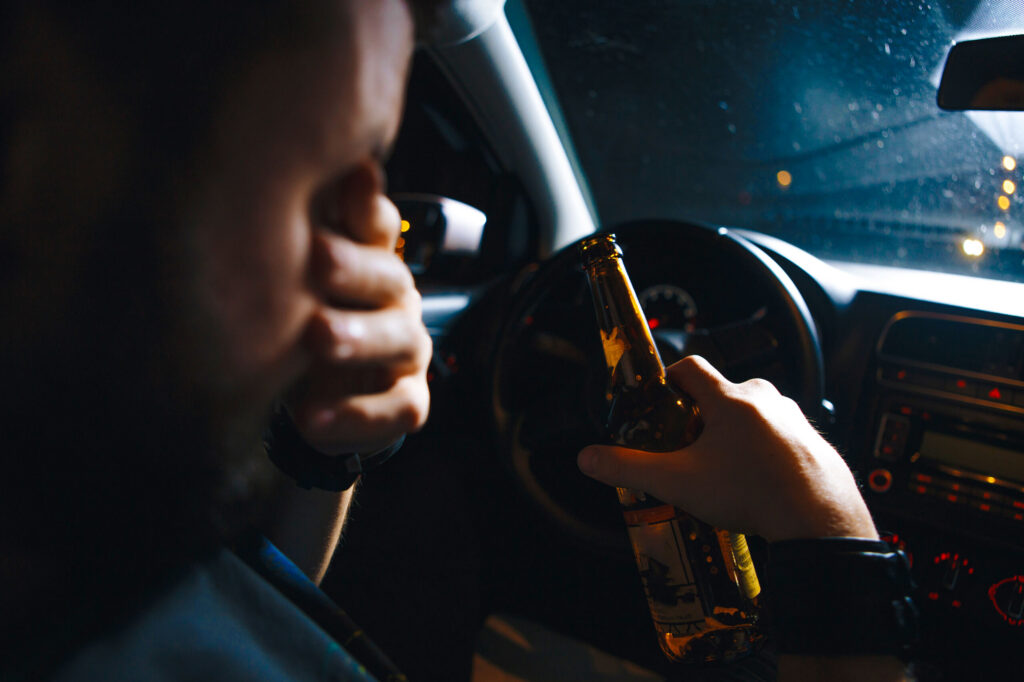
Dram shop cases are not typical personal injury claims. Florida law imposes strict evidentiary requirements, and proving a bar’s liability often requires gathering evidence before it disappears. Miller & Jacobs has represented injury victims throughout Fort Lauderdale, Broward County, and South Florida for decades, including cases requiring detailed pre-litigation investigation.
Founding attorneys Mark J. Miller and Rick S. Jacobs previously worked as prosecutors and insurance defense lawyers. That background informs how they analyze dram shop cases and anticipate the defenses bars and insurers commonly raise.
How Miller & Jacobs Investigates Dram Shop Claims
Building a dram shop case may involve subpoenaing bar records, interviewing staff, reviewing surveillance footage, and examining patterns of alcohol service. These investigations often require quick action.
Once retained, the firm handles communication with the establishment’s insurer and legal team. Consultations are free, the firm can travel to clients who cannot come in, and attorney fees are only collected if compensation is recovered.
FAQs for Dram Shop Lawyers in Fort Lauderdale
May a bar in Florida be sued just for serving someone who was already visibly intoxicated?
No. Under Florida Statute § 768.125, visible intoxication alone does not create bar liability. The law protects vendors from liability for serving adults of legal drinking age, and courts have held that continued service to an over-served patron does not trigger the statute's exceptions. Liability requires proof that the bar served a minor or knowingly served a person habitually addicted to alcohol.
What does habitually addicted to alcohol mean under Florida law?
Habitual addiction refers to an ongoing, recognized pattern of alcohol dependence. Florida courts have required proof that the establishment had prior knowledge of the patron's addiction, established through evidence of repeated visits, heavy consumption on multiple occasions, and staff familiarity with the patron's drinking habits. A high BAC on a single night does not satisfy this standard.
Does the dram shop law apply to private parties in Florida?
No. Florida Statute § 768.125 applies only to licensed commercial alcohol vendors. Social hosts who serve alcohol at private gatherings generally do not face dram shop liability under this statute, except in limited circumstances involving the service of alcohol to minors.
How do I prove a bar knew a patron was habitually addicted to alcohol?
Proving the bar's knowledge requires an investigation that often extends well beyond the night of the crash. Evidence may include bar tabs from prior visits, staff testimony about regular service to the patron, surveillance footage from multiple dates, and any records or incidents showing prior awareness of the patron's drinking history.
May I still sue the drunk driver separately if my dram shop claim against the bar does not succeed?
Yes. The dram shop claim against the bar is separate from your personal injury claim against the driver who caused your crash. If the evidence does not support bar liability, your claim against the driver may proceed independently.
Contact a Dram Shop Lawyer in Fort Lauderdale at Miller & Jacobs

The narrow window Florida law provides for holding a bar accountable is real, but it is also navigable with the right evidence and a prompt start. The habitual addiction standard is demanding, and the investigation required to meet it demands attorneys who know what they are looking for and when to act.
Surveillance footage gets overwritten. Staff members move on. Bar records become harder to obtain with every passing week.
Miller & Jacobs represents accident and injury victims throughout Fort Lauderdale, Broward County, Palm Beach County, and across South Florida. Consultations are free, the firm is available around the clock, and you pay no attorney fees unless the firm recovers compensation for you. Reach out today to have your case reviewed.