
Help, coverage and the bike
What to Do After a Motorcycle Accident
By Miller & Jacobs Motorcycle Accident Attorneys
After a motorcycle crash, get out of immediate danger and call 911 if help is urgent. Get needed care, report the crash when required and exchange details. Then save the bike, gear and records safely, and check which insurance may pay.
A rider's medical coverage can differ from a car driver's personal injury protection (PIP) benefits. That is a billing question, not a reason to delay care.
Put the rider’s care first
Where help is needed
Call 911 for a serious injury or immediate road danger. Tell the dispatcher where the rider is and what help is needed. Follow the directions given. Do not use a test ride or a few steps on foot to decide whether you need care.
The next care contact
Tell the care provider about the crash and your symptoms. Keep the discharge advice and next-visit details. Report changes and limits on work or riding. Base care on medical need, rather than an insurance estimate.
Record the police contact and crash date accurately
Find the medical-payment route that fits a rider
Medical-bill options
Check the UM policy
Uninsured or underinsured motorist coverage, called UM, may pay covered injury losses when the at-fault driver has no bodily injury insurance or too little. Check the full policy and coverage choices. A car policy does not prove that a bike you own is covered.
Save the bike, gear and scene evidence safely
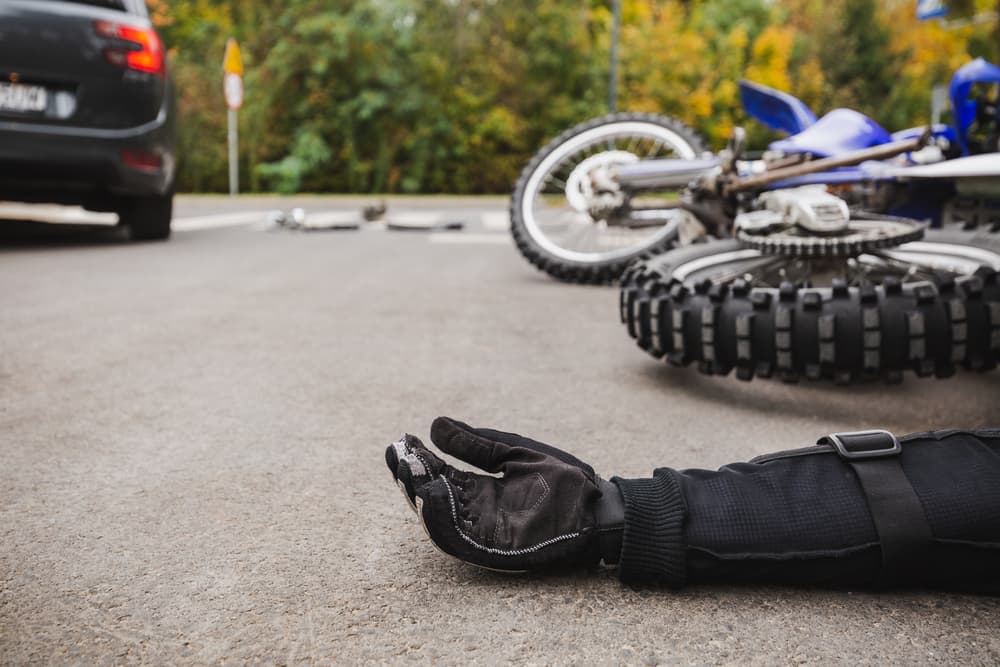
Ask a helper for safe photos if you are getting care. Show the bike, the gear and the road, rather than only the fallen motorcycle.
Get witness names and contact details. Save the full original ride-camera recording, including the lead-in and aftermath, and keep a backup. Note any nearby cameras without entering private property or taking someone else’s records.
The bike's condition
Take views from more than one side, including contact marks, wheels and lights. Keep the repair quote. Note any damage or changes that existed before this crash.
Helmet and riding gear
Photograph the helmet, jacket, gloves and other affected gear. Keep them as they were after the crash where safe. Ask about an inspection before cleaning, repair or disposal.
Surface and movement
From a safe place, photograph road marks, loose gravel, a suspected defect or a blocked view. Show enough of the area to find it later. Separate what you saw from what someone told you.
Make a plan for the bike before repairs or disposal
Track the bike and its holder
Find out who towed the bike, where it is stored and how to reach the holder. Ask about storage charges and access. Track any move to another shop or yard.
Plan inspection and safe future use
Tell the shop or insurer if the claim may turn on a failed part or the point of contact. Ask how to arrange an inspection before parts are changed or thrown out. Needed emergency work comes first.
Have a qualified mechanic check the bike before riding it again. An engine that starts does not establish that the brakes, wheels or other parts are safe.
Know which payment or request is being discussed
Notify the insurer that may cover the claim promptly. Keep the claim number and a log of requests and replies. Check your own policy’s notice and cooperation duties. Give facts you know and say when you need a record to check an answer.
Towing, bike damage, health benefits and injury may have separate claims. Ask whom the caller works for and which claim is involved. Read requests for a statement or medical-record release before responding; your own insurer’s requests may involve policy duties.
Ask for a filing-date review while the bike is being recovered
Do not count the filing period from the end of repairs or an insurer’s decision. Government, wrongful-death and other claim types may have different periods or required steps. Have the date checked while bills and repairs are still being sorted out.

If riding is part of how you unwind or get through the day, having the bike out of reach can leave a gap that goes beyond the trip you missed.

Partner
Mark J. Miller is a Partner at Miller & Jacobs. His biography provides his professional background.

Partner
Rick S. Jacobs is a Partner at Miller & Jacobs. Read his biography for his career and education.
Speak With Our Motorcycle Accident Lawyers About Next Steps
Questions riders ask when the next step is unclear
Separate next steps from the decision to sue or a value estimate
Whether a motorcycle claim can proceed
Review fault, evidence, available coverage and filing questions after the immediate needs are addressed.
Read the claim guide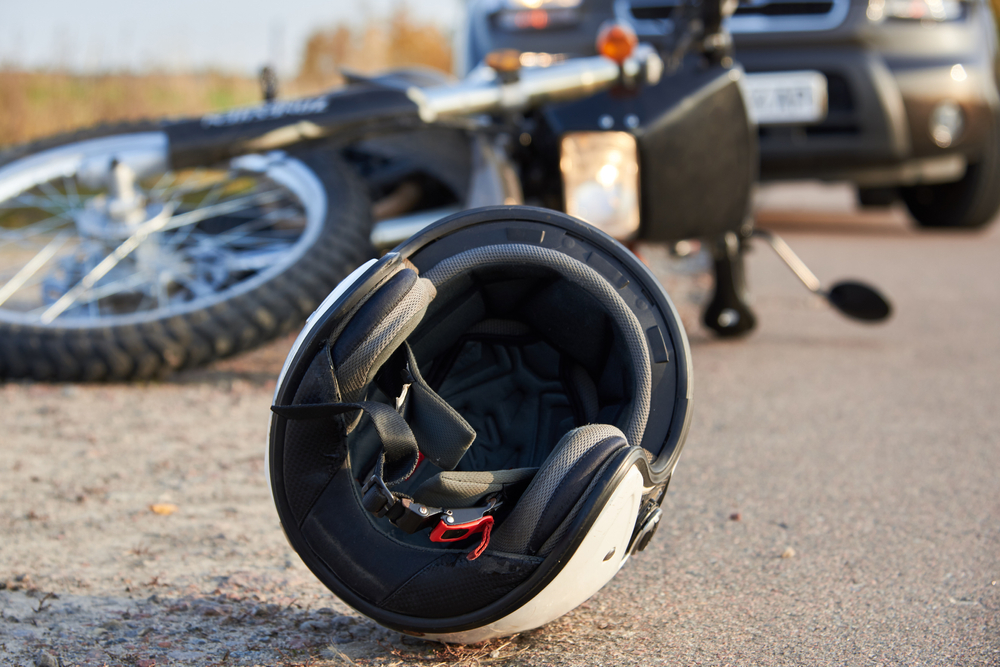
Documenting pain and daily limits
See why records of actual effects matter more than a standard multiplier or a predicted payout.
Read the evidence-and-value guide