

Partner
Mark J. Miller
Mark's biography describes work in insurance defense and prosecution before his plaintiff-side practice. That background informs the firm's evaluation of liability disputes and insurance positions.
Walking, waiting, or transferring can leave you with several unanswered claim questions.
Miller & Jacobs reviews pedestrian injury claims throughout Broward County, including hit-and-run events and incidents along routes to shops, workplaces, and transit stops. We identify the available driving evidence and possible coverage, and examine any separate issue involving the property or walking surface.
You do not need to identify every agency or insurer before calling. Free consultation. No attorney fee unless compensation is recovered for you.
When the vehicle leaves
A hit-and-run can leave a pedestrian without a name, insurer, or clear account of the vehicle's movement. Start with the time, precise place, and the information known firsthand. We assess potential identification evidence and coverage without promising that every unknown-driver claim can be recovered.
Write down the make, color, markings, direction, and plate details you actually remember. Distinguish an uncertain partial plate from a confirmed one. Save photographs or messages in their original form and provide any witness contact information to the investigating agency as appropriate.
Nearby recordings, vehicle cameras, and witnesses may help establish the event or identify the vehicle. We assess specific preservation requests using the relevant time and route. A useful recording may show an approach or departure even when it does not capture the impact.
Applicable uninsured-motorist, PIP, health, or other coverage may need review. Policy terms and statutory eligibility matter, including requirements for an unidentified vehicle. An insurance card or lack of driver information is not a complete answer to the coverage question.
Where the walking route meets the road
For an injury near a bus stop, along a connecting sidewalk, or at a Broward intersection, identify where the harmful event actually occurred. A transit route does not automatically establish a transit agency's responsibility. Vehicle conduct and a property condition may call for different investigations.
Keep the stop identifier or nearby address, direction of travel, and the pedestrian's route. Note whether the collision occurred while waiting, crossing, or walking away. A schedule or route number may help locate the scene without proving how the injury happened.
If a damaged path, blocked view, or other condition contributed, save photographs and the precise location. The city, county, state, or a private party may have a relevant role. We investigate control and the applicable duty rather than choosing an agency from the road's name.
Public-entity claims can involve distinct notice requirements, limitations, and legal standards. A government vehicle or public walkway should be identified early. Those rules need individual review; the ordinary timetable for a private-driver claim may not answer every issue.
A free consultation
Call with the incident location and what you have received so far. We can explain the evidence, coverage, and timing questions behind a Broward pedestrian claim.
Records across Broward jurisdictions
An event may involve police, emergency responders, businesses, and insurers whose files contain different observations. We connect the references and request paths to the actual incident. Receiving care in one city after a collision in another does not require treating the injury as two unrelated events.
Keep the crash number, agency name, and any contact card provided at the scene or hospital. The agency holding the report may differ from the closest station. We assess which records are available and whether they identify additional evidence or witnesses.
Retain first-care records, referrals, restrictions, and follow-up appointments in date order. Tell us about earlier conditions and later symptoms. The sequence helps assess causation and losses even when providers are located in different municipalities.
Save each letter and note the claim number and sender. A benefit denial, liability dispute, and policy-coverage position are different matters. We review the stated reason and relevant terms rather than treating every refusal as the same legal problem.
The Broward County personal injury hub explains the firm's countywide service area and related injury services.
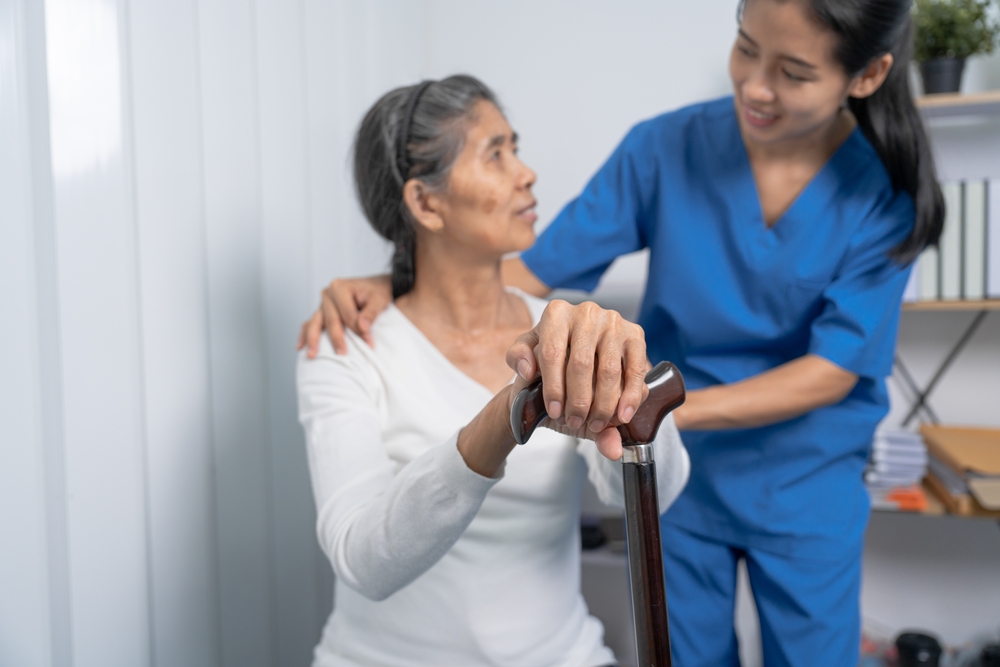
The route you depended on
The bus still runs. Reaching the stop may now be the difficult part.
An injury can change how you travel to work, shop, or attend appointments even when you never owned a car. Tell us about the help and expenses that became necessary. Those details can explain supported losses more clearly than a general statement that mobility became harder.
Paying for care while responsibility is disputed
Potential PIP benefits depend on Florida's eligibility and priority rules, including vehicle ownership, residence, household coverage, and the striking vehicle. Other benefits and a liability claim may follow different rules. We assess each potential source with the available policy and incident information.
Tell us which auto policies were in effect and where household relatives lived. Section 627.736 sets conditions for PIP benefits. A policy on another person's vehicle does not automatically cover every pedestrian in the household or at the scene.
For potentially applicable PIP medical benefits, qualifying initial care generally must be received within 14 days. Limits, medical findings, and other requirements affect payment. That benefit rule is distinct from the full analysis of fault or a possible injury lawsuit.
Bring benefit statements and current provider balances, not just initial charges. Some payers may have repayment rights if there is a recovery. We assess supported medical costs, income effects, and other losses without promising that an eventual settlement will cover every listed amount.
From a crossing dispute to a claim decision
A pedestrian case can be delayed when these questions are treated as one. We investigate the relevant conduct, check possible payment sources, and assess injury evidence separately before explaining the overall path. A favorable fact in one area does not automatically settle the others.
Signals, signage, crossing location, and sudden entry may matter under Florida's pedestrian rules. Drivers also have duties of care. We assess the actual movements rather than asserting that a pedestrian always has priority anywhere on the road.
Applicable negligence rules can reduce recovery and may bar it above 50% fault. A report or accusation is evidence to evaluate, not an automatic allocation. Some auto-related damages also require review of statutory thresholds, with applicability depending on the facts.
Most negligence actions carry a two-year filing limit under section 95.11, subject to exceptions. Policy duties and public-entity requirements may arise earlier. We review the care outlook and full release before you treat an immediate payment as a complete resolution.
Miller & Jacobs
Partners Mark J. Miller and Rick S. Jacobs serve pedestrians throughout Broward County from Miller & Jacobs' Pompano Beach office. Their biographies describe the experience behind the firm's work on disputed injury facts and insurance questions.
Partner
Mark's biography describes work in insurance defense and prosecution before his plaintiff-side practice. That background informs the firm's evaluation of liability disputes and insurance positions.

Partner
Rick's biography describes his service as an Assistant State Attorney in Miami-Dade County and his trial work. Read the published background for details of his professional experience.
Our South Florida office is at 1600 S Federal Highway, Suite 1101, Pompano Beach, FL 33062. Call 954-465-8733 before visiting.
Decisions and practical questions
Yes. We can assess the available evidence and possible coverage. A description, witness, or recording may help, but recovery is not guaranteed and policy requirements must be reviewed.
Not automatically. The vehicle conduct, exact location, and any contributing condition need review. The agency's involvement or control must be established rather than inferred from a nearby stop.
Both stages may require investigation. We assess the surface, responsible parties, vehicle movement, and causal sequence. Public-property issues can raise separate legal requirements.
Possibly, but eligibility and statutory priority depend on residence, ownership, other coverage, and the incident facts. We review the requirements instead of assuming every uninsured pedestrian receives that benefit.
Often they are separate records with different holders and access processes. Keep the agencies and reference numbers you know. We can assess which material is needed and the appropriate request path.
A coverage review may be useful sooner because notices and evidence preservation can be time-sensitive. Tell us what is known and which policies may apply. The investigation and insurance review do not always need to wait for each other.
Related guidance