SLIP-AND-FALL HELP FROM A POMPANO BEACH FIRM
A fall can take seconds. The condition that caused it may be cleaned, repaired, moved, or denied before you know how badly you are hurt.
Miller & Jacobs can help preserve the scene record, identify who controlled the property, and build a claim around what the fall changed in your life.
You do not need every photo, record, or answer before calling.
START HERE
•
What caused you to slip, trip, or lose your balance
•
Whether anyone saw or photographed the condition
•
Who controlled, cleaned, or maintained the property
•
What injuries or medical care followed
HEADQUARTERS
1600 S Federal Highway, Suite 1101
COMBINED EXPERIENCE
Both partners admitted to The Florida Bar in 1995
COMBINED JURY TRIALS
Reported courtroom experience across the firm’s partners
INITIAL CONSULTATION
No attorney fee unless compensation is recovered
THE FIRST HOURS AND DAYS
The first steps are about your health and preserving what already exists—not proving the entire case before you leave the property.
Start With What You Have →01
Capture the hazard, the surrounding floor or walkway, lighting, warning signs, and the route you were taking if it is safe to do so.
02
Tell a manager, owner, landlord, or employee what happened. Ask that an incident report be created and keep the report number.
03
Do not clean, repair, or discard what you were wearing. Tread, residue, tears, and impact marks may become part of the record.
04
Describe the fall accurately, follow the treatment plan, and report new pain, dizziness, weakness, or limits as they develop.
WHAT A SLIP-AND-FALL CLAIM HAS TO PROVE
A reliable claim connects the dangerous condition, notice, control of the property, and the medical and daily-life record. Missing one can distort the whole picture.
THE HAZARD
Liquid, uneven flooring, loose mats, broken steps, poor lighting, drainage, debris, or another condition must be identified and documented.
NOTICE
Video, inspection timing, employee activity, prior complaints, and recurring conditions may show actual or constructive knowledge.
CONTROL
Ownership alone may not answer it. Leases, maintenance contracts, vendors, and management agreements can define responsibility.
IMPACT
Treatment, mobility, sleep, work, future care, household support, and lasting limitations should be connected to the medical record.
FLORIDA’S BUSINESS-ESTABLISHMENT RULE
Florida Statute § 768.0755 requires proof that a business had actual or constructive knowledge of a transitory foreign substance and should have acted to remedy it.
Four paths the evidence may address
The legal standard depends on the facts, the type of property, and the dangerous condition involved.
Constructive knowledge may be supported by how long the condition existed or whether it occurred with enough regularity to be foreseeable.
01
Actual knowledge
An employee created the condition, received a warning, observed it, or was told about it before the fall.
02
Time on the floor
Track marks, drying, dirt, video, or inspection gaps may help show the condition existed long enough to be discovered.
03
Recurring condition
Leaks, entrance water, repeated spills, or a known maintenance problem may show regularity and foreseeability.
04
Ordinary care
Cleaning systems, inspection practices, warnings, barriers, repairs, and employee response may be compared with the risk.
This is general information, not a conclusion about any particular property or claim. Other premises-liability duties and special notice rules may apply.
EVIDENCE PEOPLE OFTEN OVERLOOK
The incident report matters, but it is rarely the entire investigation. Independent records can answer questions a short narrative cannot.
Close and wide photographs, measurements, residue, floor transitions, weather, drainage, lighting, and warning placement can explain the mechanism of the fall.
Store, lobby, parking, elevator, doorbell, or traffic-camera footage may show the hazard, inspection activity, and how the fall occurred.
Cleaning schedules, repair requests, work orders, vendor records, and digital time stamps may show what happened before and after the incident.
Customers, residents, workers, security personnel, and contractors may know how long the condition existed or whether it had happened before.
COUNTERING THE “OPEN AND OBVIOUS” SHORTCUT
Visibility is fact-specific. Lighting, contrast, distractions created by the property, the walking route, warnings, and the purpose of the visit can all matter.
A photograph taken later does not automatically show what you could see in the moment. The scene should be reconstructed from the available record.
Discuss the Evidence →Shadows, glare, surface color, nighttime conditions, and burned-out fixtures may affect visibility.
Placement, timing, wording, sight lines, and whether a warning blocked the hazard all matter.
Entrances, aisles, displays, stairs, ramps, and expected foot traffic can shape what was reasonable.
Earlier reports, repairs, and recurring incidents may show notice and foreseeability.
Digital logs, video, receipts, and employee activity may test when the area was last checked.
Rainfall, tracked-in water, mats, gutters, leaks, and entrance design may explain a recurring risk.
THE INJURY RECORD
A fall may affect mobility, work, sleep, independence, relationships, and future care. The medical file should connect with the day-to-day record.
Headaches, dizziness, memory changes, concentration limits, fatigue, and vision problems may develop over time.
Surgery, hardware, restricted motion, weight-bearing limits, therapy, and arthritis risk can affect recovery.
Radiating pain, weakness, numbness, injections, surgery, and functional limits may change ordinary movement.
Bracing during a fall can cause tears, fractures, loss of grip, limited reach, and problems with daily tasks.
Instability, swelling, cartilage damage, tendon injury, surgery, and gait changes can prolong recovery.
Fear of falling, interrupted sleep, driving limits, family roles, recreation, and confidence may all be affected.
WHEN THE DEFENSE POINTS BACK AT YOU
The insurer may focus on where you looked, how you walked, your footwear, or a warning. Those issues should be tested against the actual scene and the property’s conduct.
FACT 01
The purpose of the visit, displays, crowd flow, signage, lighting, and the expected route may explain attention and visibility.
FACT 02
Shoe condition, tread, walking speed, mobility aids, and surface friction should be evaluated—not assumed.
FACT 03
A warning must be considered in context: where it was, when it appeared, whether it was visible, and what it actually warned about.
FACT 04
Fault allocation can reduce damages, and Florida’s greater-than-50% rule can bar recovery in negligence actions to which it applies.
Florida generally provides two years for an action founded on negligence under § 95.11. Video may be overwritten and conditions may change far sooner; government properties and other claims can involve additional notice rules.
WHAT THE CLAIM SHOULD MEASURE
There is no automatic formula for a slip-and-fall case. Medical records, employment evidence, expert opinions, testimony, coverage, and long-term limitations shape the value.
LOSS CATEGORY 01
Emergency care, surgery, medication, therapy, equipment, transportation, home assistance, and supported future treatment.
LOSS CATEGORY 02
Missed pay, used leave, lost benefits, reduced hours, job changes, retraining, and diminished earning capacity when supported.
LOSS CATEGORY 03
Physical pain, disability, scarring, disrupted sleep, lost enjoyment, and limits on independence and family roles.
LOSS CATEGORY 04
Ongoing assistance, mobility changes, transportation, home modifications, caregiving, and the effect on ordinary responsibilities.
HELP FROM OUR POMPANO BEACH HEADQUARTERS
Miller & Jacobs meets clients at its Pompano Beach headquarters on South Federal Highway and can also speak by phone or video. The firm’s personal injury lawyers in Pompano Beach represent people hurt in falls across Broward County and throughout Florida.
POMPANO BEACH OFFICE
1600 S Federal Highway, Suite 1101
Pompano Beach, FL 33062
954-465-8733
EXPERIENCE YOU CAN VERIFY
Mark Miller and Rick Jacobs bring backgrounds in prosecution, insurance defense, civil litigation, negotiation, and jury trials.
REPORTED RECOVERIES
COMBINED JURY TRIALS
BOTH ADMITTED TO THE FLORIDA BAR
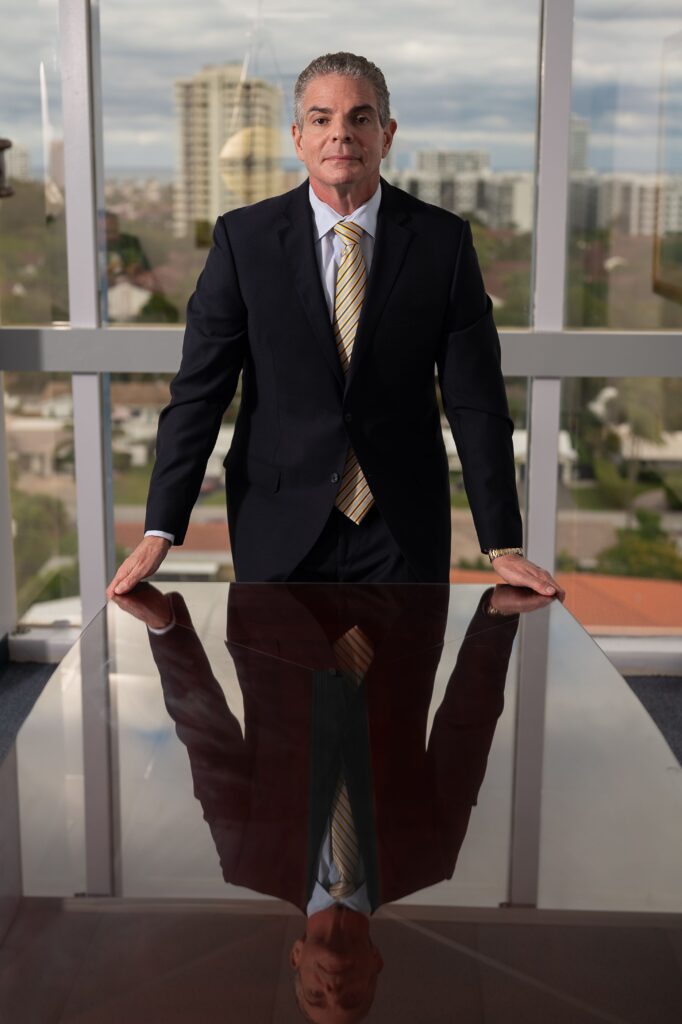
PARTNER
Former Assistant State Attorney, former insurance-defense lawyer, and more than 70 reported jury trials.
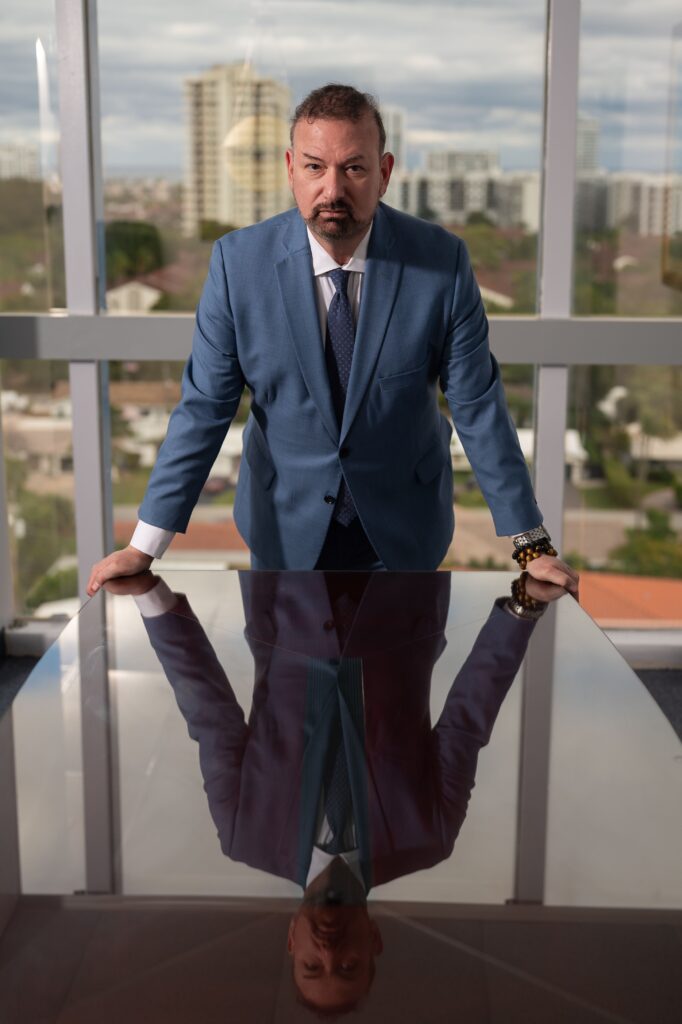
PARTNER
Former Miami-Dade Assistant State Attorney with more than 160 reported jury trials.
Past results do not guarantee a similar outcome. Every matter depends on its facts, evidence, injuries, available coverage, and applicable law.
QUESTIONS INJURED PEOPLE AND FAMILIES ASK FIRST
These answers provide a starting point. Property type, notice, control, injuries, comparative fault, and the parties involved can change the analysis.
Get needed medical care, report the incident, photograph what you safely can, identify witnesses, and preserve the shoes and clothing you wore.
The case is not automatically lost. Witnesses, surveillance footage, employee records, repair logs, weather data, and later inspections may help reconstruct the scene.
Do not decide the percentage yourself. The condition, lighting, warnings, walking route, inspection practices, and other evidence can materially change fault allocation.
Florida generally provides two years for an action founded on negligence, but shorter notice requirements or different rules can apply. Evidence often disappears much sooner.
No. It can confirm that the event was reported, but video, photographs, witnesses, inspection records, and medical evidence may be needed to prove the full claim.
Retention varies. Some systems overwrite footage within days or weeks, which is why a targeted preservation request may need to be sent promptly.
The owner, association, landlord, tenant, management company, maintenance vendor, or contractor may control different areas or duties. Agreements should be reviewed.
The consultation is free. There is no attorney fee unless compensation is recovered for you.
YOUR NEXT STEP CAN BE SIMPLE
Tell Miller & Jacobs where you fell, what you saw, what changed afterward, and what you have heard from the property owner or insurer.
POMPANO BEACH HEADQUARTERS
⌖ 1600 S Federal Highway, Suite 1101
Pompano Beach, FL 33062
☎ 954-465-8733
◷ Free and confidential consultation
RELATED POMPANO BEACH RESOURCES