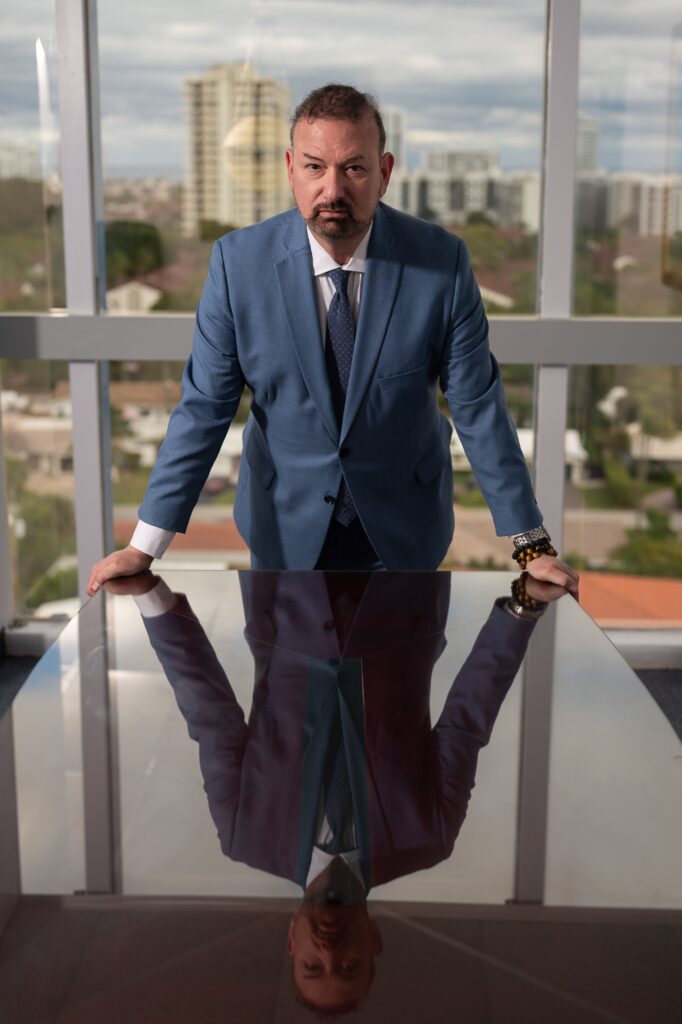
Wet floor warning sign illustrating hazards in Orlando slip and fall claims
Miller & Jacobs · Orlando, Florida

Orlando Slip and Fall Attorney

A fall can change your day. The pain and bills can change much more.

You may be sore and trying to keep working, or hurt badly enough to need help at home. We can review what happened, find out who was responsible for the area, and explain what you can do next.

No attorney’s fee unless we recover compensation for you.

Orlando office

5401 S. Kirkman Road, Suite 660

50+ years combined

Combined legal experience of our partners

Free consultation

Talk through what happened

No recovery, no attorney’s fee

Ask us to explain fees and costs

Start with what happened

Does a fall mean I have a case?

A claim depends on why you fell, who was responsible for the area, and how you were hurt. We can review those questions with you, even if you left without a report.

The condition

What caused you to lose your footing?

A spill, loose mat or broken step raises different questions. Describe what you felt and saw. If you do not know what caused the fall, say so. Guessing can make it harder to piece together the facts.

What the business knew

Was there time to find and fix a spill?

For a temporary substance on a business floor, Florida law requires proof that the business knew or should have known about it. Evidence may show it was there long enough to be found, or happened so often that it was foreseeable.

A damaged stair or other fixed hazard needs a different review. The spill rule is not the test for every fall.

The effect on you

You can ask for help even if you are still on your feet.

Missed shifts, follow-up care and pain while lifting your child can matter. We look at the care you need and what the fall has changed, whether that means follow-up visits or a longer recovery.

Person with an arm sling completing care paperwork after an injury

Getting dressed. Driving to work. Carrying groceries. Small tasks can feel very different after a fall.

You do not have to downplay those changes because someone else was hurt worse. Tell us what is difficult now and what you need to get through the week.

That conversation helps us understand the person behind the records.

When the property holds the evidence

No report. No video. Is it too late?

Not necessarily. A missing report can make proof harder, but it does not tell the whole story. Start with the date, time and exact place. Receipts, messages and witness names can help fill gaps.

No incident report

“I left without filling anything out.”

Write down what happened while it is fresh. Note who you told and what they said. A lawyer can help you report the event and ask for records. Be clear that the report is being made later.

The floor is already clean

“They wiped it up before I took a photo.”

Keep any photos you have, even if they only show the area. Save the shoes you wore. Staff actions, witnesses, inspection records and earlier complaints may help explain what was there.

The footage belongs to them

“The manager will not give me the video.”

We can ask the right parties to preserve footage before it is erased. That request does not guarantee a copy or restore video already lost. A lawsuit may provide a way to seek records through a formal process.

A clear path forward

What happens when you ask us for help?

You should understand the next step, who is handling it, and what we still need to find out.

01

Talk through your concerns

We discuss the fall, your care and any calls or paperwork you have received. Bring what you have. You do not need to solve the case before the first call.

02

Check the facts and costs

If we take your case, we investigate who controlled the area and seek evidence. We track treatment, lost income and other supported losses as your needs become clearer.

03

Weigh your options together

We explain an offer, the risks and whether a lawsuit may be needed. You decide whether to accept a settlement. A claim is not a promise of payment or a quick result.

Start with a conversation

Tell us what the fall has changed.

We can help you understand whether a claim makes sense and what to do next.

No attorney’s fee unless we recover compensation for you.

Care cannot always wait

Who pays the bills while the claim is open?

A property’s insurer may dispute fault or wait to discuss payment. Do not assume that opening a claim will stop bills or collections.

We can review available insurance, help you understand provider payment plans, and ask about options for treatment costs. Use your health coverage where available and keep bills, receipts and insurance notices.

Some providers agree to wait for payment under a letter of protection. The provider treats you in exchange for a promise of payment from a settlement or judgment. It is not free care, and not every provider accepts it. Ask what you would owe if the case does not recover money.

An Orlando claim, wherever home is

What if I fell during a hotel stay?

If you are checking out or flying home, save the hotel’s full address, booking record and the names of staff you spoke with. You can seek a legal review after leaving Orlando.

The name on the building may not tell the whole story.

At an International Drive hotel, the owner, operator and outside cleaning company may have different duties. At a store along Colonial Drive, a tenant may control one area while a landlord controls another. We look at who was responsible for the place you fell.

Your recovery may continue back home.

Keep follow-up records and tell your providers how the injury happened. Let us know if travel or pain makes meetings hard so we can discuss practical arrangements. For a broader property hazard, see our Orlando premises liability page.

Our Orlando office
5401 S. Kirkman Road, Suite 660
Orlando, FL 32819

Get directions to the Orlando office ↗
Not sure which type of claim fits? Our Orlando personal injury team  can help you identify the next step. If the fall happened at work, tell us early; a work injury may involve a separate claim process.
Meet Miller & Jacobs

Experience on both sides of a dispute.

Mark Miller and Rick Jacobs have each practiced law in Florida since 1995. Their backgrounds help the firm assess evidence and prepare cases for the challenges ahead.

Meet our attorneys ↗
Mark J. Miller, Partner at Miller & Jacobs

Partner

Mark Miller

Mark’s background includes insurance defense work. He brings that experience to reviewing injury claims and the arguments insurers may raise.

Read Mark’s biography ↗
Rick S. Jacobs, Partner at Miller & Jacobs

Partner

Rick Jacobs

Rick’s experience includes work as a prosecutor and courtroom advocacy. He helps prepare cases with attention to the evidence needed to support them.

Read Rick’s biography ↗
Questions worth asking

A warning cone, an old injury, a rushed “I’m fine.”

None of those facts should be ignored. Each needs context before anyone draws a conclusion about your claim.

Those facts may affect fault, but they do not settle every question. The sign’s placement, what you could see and what caused the fall matter. Under Florida’s comparative fault law,  your share of fault can reduce recovery. Being more than 50% at fault generally bars recovery in a negligence claim.
An old injury does not automatically rule out a claim for new harm or a condition made worse by the fall.  Tell us what you could do before and what changed afterward. Earlier medical records can help make that comparison. Be open about past treatment so we can address it.
Seek appropriate medical care and give an accurate account of when symptoms began. Keep your original messages and explain what changed. A dated note can help explain why you need care now. If you hit your head, our Orlando brain injury page  explains related claim concerns.

A lawsuit may be an option if the facts support a legal claim. The right defendant may be an owner, operator or another responsible party. Many claims are discussed with insurers first. We explain whether filing suit is warranted and what it would involve.

Not necessarily. The terms you accepted matter. Save emails, receipts and any release, including one signed on a screen. We can check whether the agreement dealt only with the room charge or also addressed your injury.

Florida generally gives two years to file a negligence lawsuit for a recent fall. Claims involving government property may also require written notice before a lawsuit. The owner, incident date and other facts affect which rules apply. An insurance discussion does not itself extend the deadline. Ask us to check the dates early.