
BROWARD COUNTY SCHOOL-ZONE GUIDE
Broward School-Zone Injuries: Rules and Claims
By Miller & Jacobs Personal Injury Attorneys
Broward County school-zone rules depend on the signs and road conditions at the time. A reduced speed limit, a stopped bus and a crossing each have their own rules. If your child is hurt, save what was happening on that road at that time. A violation alone does not establish who caused the injury.
Start With the Road and Time
Speed Limits and Driver Negligence in Broward County School Zones
Keep notes of the driver’s speed, distance, view and response. A speed reading cannot show by itself whether the driver had time to stop. Compare it with where the child and vehicle were moving.
How to Check Your Child's School-Zone Hours
For Cypress Bay High School, Pembroke Pines Charter or any other campus, check the signs on the exact road and in the direction you travel. Bell times alone do not set the road's speed restrictions.
Read the signs on your approach. Check the posted speed, day and time placards. Different approaches to one campus may have different signs.
Check the beacon condition. If the sign says the reduced limit applies when lights flash, note whether the beacon is flashing. Report an unclear sign or a beacon that seems faulty. The school bell does not supply the missing answer.
Find the end of the zone. Look for the end sign and the speed limit that applies beyond it.
Automated Enforcement Cameras
The "Stop for the Bus" Rule
When a stopped school bus shows its stop signal, approaching drivers must stop unless an exception applies. Wait until the signal is withdrawn. For traffic coming the other way, the type of divider matters.
Two-Lane Roads: Vehicles traveling in both directions must stop.
Multi-Lane Roads (Paved Median): Vehicles in both directions must stop, even if there is a turning lane in the middle.
Divided Highways: Traffic going the same way as the bus must stop. Traffic going the other way is exempt only if the divider is an unpaved space at least five feet wide, a raised median or a physical barrier. A narrow grass strip does not always qualify.
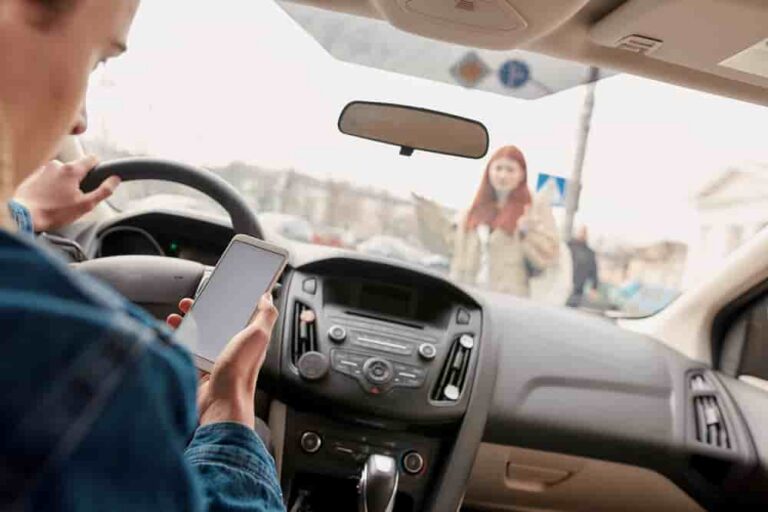
Distracted Driving in Broward County School Zones
Phone activity alone does not show what the driver saw or what caused the crash. A lawyer can check which records can be lawfully obtained. They can compare those records with video and witnesses. Section 316.306 also limits the use of billing records to prove its violation. That use is limited to crashes that cause death or serious bodily injury. Phone records do not automatically defeat a claim that a child entered the road suddenly.
What Could the Driver See?
Record where your child was before entering the road and what the driver could see. Note parked vehicles, signs, other traffic and anything else that blocked the view. Photos from a safe place may help explain those conditions.
Describe the child’s movements and the driver’s response without filling gaps with guesses. Keep separate what you saw yourself and what someone later told you. Useful details include:
Children Near the Road: Where were children standing, walking or waiting, and when could the driver first see them?
The Crossing and Signals: Where did the child enter, which signals were showing and how was each vehicle moving?
The Crossing Guard: Was a guard present? Record any warning or spoken direction you heard, and what happened next.
These details help a lawyer compare the accounts with the road conditions. They do not establish fault by themselves. Keep the original photos and witness contact details.
What if the Driver or Insurer Disputes Fault?
An insurer may point to where a child crossed or describe the movement differently. Keep the exact explanation and any supporting material. Compare it with the scene, signals, witness accounts and other records instead of accepting a label such as “darted out.”
Tell the lawyer your child’s age, what they were doing and how they moved. The lawyer should check whether your child could legally be at fault and which rules apply to that activity. Ordinary childhood activities can be treated differently from activities that usually need adult qualifications. Do not assume an adult standard applies.
The Legal Authority of Crossing Guards in Broward County
Do not assume every guard can override every traffic light. Drivers should watch the guard, signals and children and stop or yield as the rules require. Children should wait for the guard’s spoken direction, rather than simply follow the guard into the road. These procedures are covered in the FDOT guidelines above.
A guard may help explain where the vehicles were and which signals or warnings were given. Their account can help show how the driver responded. Ignoring a warning can be relevant evidence. It does not prove gross negligence by itself. Keep the guard's name and account, and compare it with the other facts.

If your child is hurt on the way to school, the next school morning may feel different. You can focus on their care while getting help to understand what happened on the road.

NEXT STEPS WITH MILLER & JACOBS
Speak With Our School-Zone Accident Lawyers
Bring the school and road, crash date, sign or beacon photos, witness details, care records and insurer letters. Miller & Jacobs can review which records and claims fit the facts. You do not need every document before asking for help.
What Should You Do if Your Child is Injured?
After a school-zone accident, your child's care comes first. The following checklist can help your family keep useful information and avoid losing track of what happened.
Seek Immediate Medical Attention: Call 911 for an emergency and follow responders' and treating clinicians' guidance. Keep medical records, discharge instructions and bills.
Report the Incident: Report the crash to law enforcement and explain what you actually observed, including possible speeding or phone use. Keep the report number and responding agency's details.
Gather Scene Evidence: From a safe place, photograph vehicle positions, road markings, school-zone signs, time placards and beacons. Note your direction of travel and the date and time. Collect contact details for parents, teachers or crossing guards who witnessed the crash.
Follow All Treatment Plans: Follow your child's clinicians' recommendations. If an appointment is missed, tell the provider why and ask about the next step. Keep records of treatment and practical barriers to care.
Document the Recovery: Keep an accurate journal of pain, sleep changes, school absences and limits on everyday activities. Save related expenses and notes from providers or teachers.
Stay Off Social Media: Consider how public photos or updates could be misunderstood. Preserve existing relevant posts and ask a lawyer before deleting material or changing records connected with the crash.
These steps help preserve the facts so your family and advisers can assess care needs, evidence and possible claims.
Your Questions About Broward County School Zone Accidents Answered
Related Reading
Florida Unmarked Crosswalks: When Drivers Must Yield
Check the crossing, signal and right-of-way rules that may apply without painted lines.
What Evidence Might Help My Car Accident Case?
See how scene records, care records and witness accounts may help test what happened.