
HOLLYWOOD BROADWALK INJURY GUIDE
Hollywood Broadwalk Injuries: Who May Be Responsible?
By Miller & Jacobs Personal Injury Attorneys
Who may be responsible for a Hollywood Broadwalk injury depends on what caused it and who controlled the hazard. A path defect, a business spill and a rider collision call for different proof. Save the exact spot and what happened. Being hurt on the Broadwalk does not, by itself, make the city responsible.
Start with the cause and the exact spot
Path defect
For a loose brick or uneven surface, identify who maintained that precise area. Photograph the defect and look for earlier complaints or repair records.
Business hazard
For a spill, cart or loose equipment, record who created or controlled it. Keep what witnesses saw about how long the problem was there.
Rider collision
After a collision, get the rider’s name, device details and rental shop name. Note which way each person moved. Did a car or other vehicle play a part? Save any proof you have.
The Broadwalk rules that matter after a collision
Keep observations separate from estimates. Record where each person was, how the device moved and what blocked the view. A photo of the lane or a claimed rule violation does not explain the whole event.
For an e-bike, scooter or other powered device, save the make, model and rental details. Ask which rules apply to that device. Do not assume all wheeled devices may use the Broadwalk on the same terms.
City claims: maintenance, notice and deadlines
For a path defect, first find out who maintained that spot. Save photos and request earlier complaints, inspections and repair records. Those records may help show what the responsible party knew and whether the hazard caused your injury.
City notice and filing are separate steps
Written notice
Before suit
The notice and denial rules must be met before suit. An earlier final written denial can end the wait. For an ordinary injury claim, no final decision within six months is generally treated as a denial.
Filing suit
Section 768.28(14) generally gives four years from when these claims arise to file suit. Wrongful-death and medical-malpractice claims follow different timing rules. Have the claim type and dates checked promptly.
When a beachfront business created or controlled the hazard
Identify who controlled the place or item that caused the injury. Keep the business name, receipts, equipment details and witness accounts. A shop’s being nearby does not establish its role in the incident.
Rider collisions and rental equipment
Keep the rider’s name, rental receipt, bike number and shop name if you can. If equipment failed, preserve it without changing its condition and ask about service records. Record what failed and how it contributed to the injury. A rental label alone does not prove the shop caused the crash.
Check whether an auto policy covers the incident
Record whether a car or other motor vehicle played a part, even if your first contact was with a bicycle. Keep any video and witness accounts. Ask the insurer to explain its coverage position in writing; do not assume that a policy pays just because you were injured.
Keep the policy’s coverage page and all insurance letters. Ask your health plan what care it covers and how to send bills. Care benefits do not settle who caused the injury. They are separate questions.
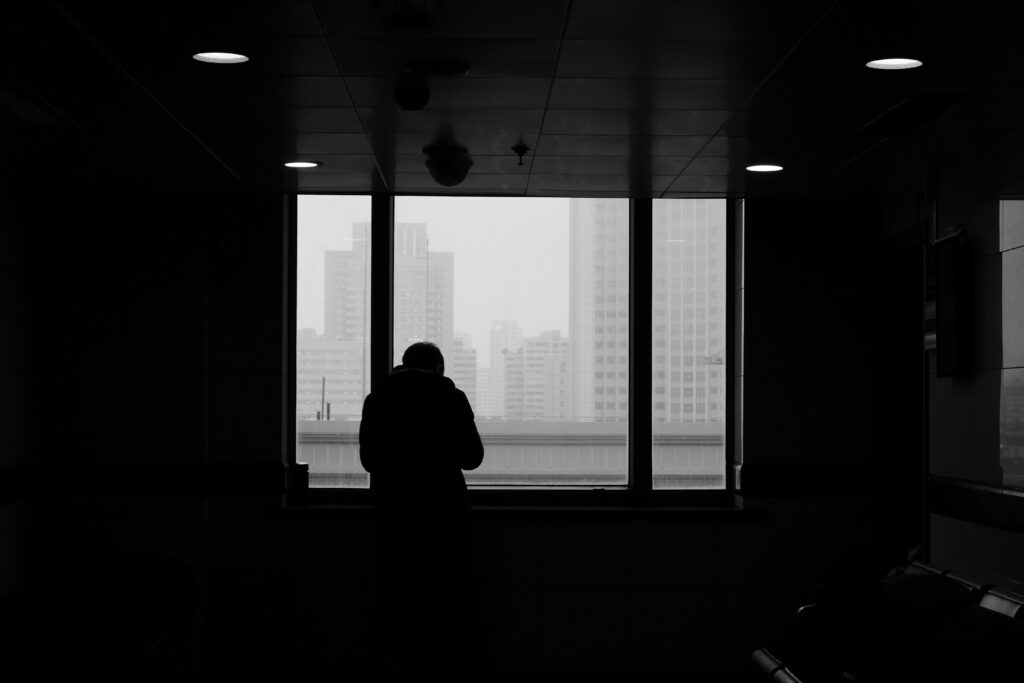
If a Broadwalk injury changes your plans, getting home may feel more pressing than sorting out a claim. You can take one step at a time and ask for help with the records you have.


NEXT STEPS WITH MILLER & JACOBS
Speak With Our Broadwalk Injury Lawyers
What to save before the scene changes
Get medical help first and call 911 for an emergency. If recording the scene is unsafe, ask someone you trust to help. You do not need to finish investigating before seeking care.
If you need to return home after a trip, keep one folder with the records and local care contacts. Write down what you remember while it is fresh, without filling gaps with guesses.
Pinpoint the spot
Save a map pin, nearby business and landmark. Wide photos should show the walking area, bicycle path or café space.
Capture the cause
Photograph the defect, spill, device, signs and markings. Keep original files and the direction each person moved.
Identify people
Save witness contacts, rental numbers and receipts. Ask what each witness actually saw.
Save video leads
Note nearby cameras, the date and a narrow time range. Ask for relevant footage to be preserved promptly. Availability and access are not guaranteed.
Keep reports and notices
Keep report numbers. Save copies of city or business notices and proof of delivery.
Track the effects
Keep treatment records, bills, work absences and expenses. Explain any gaps in care honestly.
Review a release first
Before signing a release, ask what claims it may end. Have each possible party and policy reviewed.
Broadwalk injury questions
Related reading
Florida Unmarked Crosswalks: When Drivers Must Yield
Understand the crossing rules that apply when a motor vehicle is involved.
Hurt Walking or Biking Near Pompano Pier: A Visitor Guide
Keep track of records, care and claim steps if you are hurt while visiting.
What Evidence Might Help My Car Accident Case?
See how photos, witnesses and other records can help explain a collision.