
PEDESTRIAN CRASH HELP FROM A POMPANO BEACH FIRM
A pedestrian crash does not stay at the intersection. It follows you into the emergency room, work, sleep, and the ordinary routines you used to take for granted.
Miller & Jacobs can investigate how the collision happened, identify every source of coverage, and build the claim around what the injury changed in your life.
You do not need every record or every answer before calling.
START WITH WHAT YOU REMEMBER
•
The street, intersection, driveway, or parking area
•
The vehicle, direction of travel, and how it moved
•
The first medical care and symptoms that followed
•
What has become harder since the collision
HEADQUARTERS
1600 S Federal Highway, Suite 1101
REPORTED RECOVERIES
Past results do not guarantee a similar outcome
COMBINED JURY TRIALS
Reported courtroom experience across the firm’s partners
INITIAL CONSULTATION
No attorney fee unless compensation is recovered for you
WHAT CHANGED AFTER THE COLLISION
A pedestrian injury can affect much more than a diagnosis. The claim should connect the medical record to the work, movement, independence, and relationships that changed afterward.
01 / HEALTH
Emergency care, surgery, rehabilitation, medication, delayed symptoms, and the treatment your doctors reasonably expect.
02 / WORK
Missed shifts, used leave, physical restrictions, reduced hours, job changes, and work you can no longer do the same way.
03 / DAILY LIFE
Walking, driving, stairs, errands, household tasks, sleep, recreation, caregiving, and the help you now need from other people.
04 / COVERAGE
PIP, health coverage, driver liability, UM or UIM, commercial policies, liens, deductibles, and the order in which benefits may respond.
THE FIRST CONVERSATION
Trauma, medication, pain, and a fast-moving collision can leave gaps. A useful first conversation organizes what you know without treating an uncertain detail like a contradiction.
Bring whatever you already have. A report number, a photograph, an insurance card, or the name of the hospital can be enough to begin.
01
The intersection, driveway, parking area, beach access, bus stop, or block where the collision occurred.
02
A turn, backing movement, lane change, acceleration, curb departure, or failure to stop.
03
The ambulance, hospital, doctors, symptoms, restrictions, and treatment recommended so far.
04
The driver’s insurer, your insurer, a property owner, employer, investigator, or another representative.
RECONSTRUCTING THE MOMENT
A useful reconstruction follows both paths into the collision: where the pedestrian came from, how the vehicle approached, what the signals showed, what each person could see, and what the physical record confirms.
PEDESTRIAN PATH
Direction of travel, curb or sidewalk position, pace, destination, visibility, and whether the person was entering, leaving, or already in the roadway.
DRIVER ACTION
A turn, backing movement, acceleration, braking, lane position, mirror use, and the time and distance available to react.
SIGHTLINES
Lighting, glare, parked vehicles, landscaping, signs, construction, clothing contrast, windshield pillars, and road curvature.
SIGNALS AND SPACE
Pedestrian signals, lane arrows, stop lines, driveways, marked or unmarked crossings, signal phases, and direction of travel.
PHYSICAL RECORD
Damage height, debris, tire marks, measurements, clothing, devices, photographs, video, and electronic vehicle data can test the accounts.
CONTROL AND OWNERSHIP
An employer, vehicle owner, rideshare platform, delivery company, contractor, property owner, or public entity may have relevant duties or records.
WHERE THE COLLISION HAPPENED
The questions change with the setting. A driver turning across Atlantic Boulevard, backing through a condominium driveway, or passing a bus stop on a wide commercial road may face a different field of view and different traffic controls.
TURNING AND SIGNALS
Multiple turn lanes, commercial entrances, signal phases, and people moving between downtown, shops, and nearby neighborhoods can compress decision time.
RAIL AND REDESIGN
Streetscape work, protected lanes, crossing locations, construction controls, lighting, and rail access may affect the movement available that day.
VISITORS AND DRIVEWAYS
Hotels, condominiums, parking activity, rideshare stops, sun glare, and people crossing with beach gear can change what a careful driver should anticipate.
LONG CROSSINGS AND ACCESS
Wide roads, bus stops, delivery vehicles, bridge or streetscape work, long crossings, and frequent driveways can create overlapping movements.
THE FIRST PRACTICAL MOVES
Do what is safe and possible. If you were taken from the scene or cannot collect something yourself, that does not end the investigation.
01 / GET CARE
Report new pain, dizziness, weakness, confusion, sleep changes, or mobility problems instead of assuming they will pass.
02 / REPORT
Keep the report or incident number and note the responding agency, ambulance provider, hospital, and any business involved.
03 / IDENTIFY
Names, phone numbers, storefronts, residences, traffic devices, and vehicle descriptions can help locate independent records.
04 / PRESERVE
Do not wash, discard, repair, or alter physical items before they have been photographed and their condition documented.
05 / TRACK
Appointments, missed work, help at home, sleep, transportation, daily pain, and activities you cannot perform the same way build the day-to-day record.
06 / PAUSE
Insurance questions can sound routine while assuming facts you have not confirmed. Ask who is calling and what policy they represent.
HOW FLORIDA PEDESTRIAN LAW APPLIES
Florida law assigns duties to drivers and pedestrians. The facts that matter include the signal phase, whether the crossing was marked, whether the vehicle was turning, and whether either person had a reasonable opportunity to avoid the collision.
Four rules that can affect fault
Read Florida’s pedestrian traffic statute, § 316.130.
A crash report may record a citation. The civil claim still requires the full sequence, including movement, visibility, timing, and due care.
01
Signalized crossings
Drivers must stop and remain stopped in the circumstances described by the statute when a pedestrian is crossing with a permitted signal.
02
Marked and unmarked crosswalks
Different yielding rules apply depending on traffic controls, signage, the pedestrian’s position, and the direction from which danger approaches.
03
Crossing outside a crosswalk
A pedestrian may have a duty to yield, but that does not erase a driver’s duty to avoid a collision when reasonably possible.
04
The driver’s duty to use due care
Florida law requires every driver to exercise due care to avoid colliding with a pedestrian, with added caution for children and incapacitated people.
This is general information. Signal timing, crossing location, direction of travel, visibility, age, capacity, and the circumstances of the collision can change the analysis.
INSURANCE AFTER A PEDESTRIAN COLLISION
Florida PIP may apply to a person struck by a motor vehicle while not occupying a self-propelled vehicle. Eligibility, priority, household status, treatment timing, and policy language must be checked.
INITIAL SERVICES AND CARE TIMING UNDER FLORIDA PIP LAW
POTENTIAL SHARE OF REASONABLE COVERED MEDICAL EXPENSES
POTENTIAL SHARE OF COVERED LOST INCOME, SUBJECT TO THE POLICY
COVERAGE SOURCE
MAY ADDRESS
WHAT MUST BE CHECKED
PIP benefits
Initial medical expenses and a portion of lost income after contact with a motor vehicle
Policy priority, household status, the striking vehicle, 14-day care, emergency medical condition, exclusions, and limits
Driver liability
Losses caused by negligent driving that are not resolved through no-fault benefits
Fault evidence, ownership, bodily injury limits, permissive use, umbrella coverage, and whether the driver was working
UM or UIM coverage
Losses when the responsible driver has no bodily injury insurance or too little coverage
Your policies, resident-relative policies, stacking, notice, offsets, exclusions, and exact contract language
Other responsible coverage
Commercial, rideshare, delivery, property, roadwork, rental, or product-related responsibility
Employment, platform status, ownership, contracts, public notice rules, maintenance records, and indemnity provisions
See Florida Statute § 627.736. Benefits depend on eligibility, policy terms, medical findings, and the facts of the collision.
THE INJURY RECORD
A diagnosis is one part of the story. The record should also show mobility, endurance, sleep, work, independence, relationships, future care, and the emotional effect of being struck.
Headaches, memory changes, dizziness, fatigue, vision problems, mood changes, and concentration limits may require follow-up.
Surgery, hardware, limited weight bearing, altered gait, arthritis risk, and mobility equipment can affect a long recovery.
Radiating pain, numbness, weakness, restricted motion, injections, surgery, and functional limits may change work and movement. When a pedestrian collision causes spinal cord damage, the claim may need to measure wheelchair use, transfers, accessible transportation, home modifications, and long-term assistance.
Rib fractures, lung injury, organ damage, internal bleeding, and complications may require emergency or continuing monitoring.
Infection risk, grafts, sensitivity, disfigurement, clothing limitations, and reconstructive care deserve complete documentation.
Fear of crossing, interrupted sleep, driving limits, family roles, recreation, independence, and confidence may all be affected.
COUNTERING THE “THEY CAME OUT OF NOWHERE” SHORTCUT
A driver’s surprise does not establish that a pedestrian was invisible. The route, turning path, speed, lighting, obstructions, reaction time, and the driver’s attention should be measured against the scene.
The same analysis applies outside a marked crosswalk. A pedestrian’s location can affect fault without answering whether the driver was speeding, distracted, impaired, or able to avoid the impact.
Discuss the Investigation →Parked vehicles, landscaping, signs, construction, darkness, glare, rain, and road curvature can alter when a person becomes visible.
Mirror use, shoulder checks, curb position, steering angle, blind zones, and vehicle geometry may explain the conflict.
Vehicle data, damage, tire marks, video timing, stopping distance, and witness accounts can test the claimed reaction.
Phone activity, navigation, passengers, delivery instructions, rideshare status, and in-vehicle systems may matter.
Pedestrian phases, clearance intervals, lane arrows, stop lines, controller data, and synchronized video can establish sequence.
A blocked sightline, driveway design, construction setup, temporary sign, or maintenance decision may involve another responsible party.
WHAT THE CLAIM SHOULD MEASURE
There is no automatic pedestrian-claim formula. Medical evidence, work history, policy limits, witness testimony, future care, and the practical effect on independence shape the value.
MEDICAL RECOVERY
Emergency treatment, surgery, medication, therapy, equipment, transportation, home assistance, and reasonably supported future care.
WORK AND INCOME
Missed pay, used leave, lost benefits, reduced hours, job changes, retraining, and diminished earning capacity when supported.
DAILY SUPPORT
Mobility limits, transportation, household help, caregiving changes, accessibility needs, and services once handled without help.
LIFE AFTER THE INJURY
Physical pain, disability, scarring, sleep disruption, emotional harm, loss of enjoyment, and limits on family or community roles.
PREPARATION BEFORE NEGOTIATION
Preparation connects the collision mechanics, insurance, medical course, and daily-life record so the insurer cannot evaluate each piece in isolation.
01
Crash reports, 911 audio, body-camera material, signal information, video, witness accounts, photographs, and vehicle records.
02
The route, timing, visibility, speed, point of impact, vehicle damage, and traffic controls should fit one coherent sequence.
03
PIP, liability, UM or UIM, commercial, umbrella, health benefits, liens, exclusions, and notice requirements should be reviewed together.
04
Diagnoses should be paired with restrictions, treatment response, future care, missed work, help at home, and daily limitations.
05
Comparative fault, causation, prior conditions, policy defenses, and future-loss opinions should be addressed before negotiation or trial.
HELP FROM OUR POMPANO BEACH HEADQUARTERS
Miller & Jacobs meets clients at its Pompano Beach headquarters on South Federal Highway and can also speak by phone or video. The firm’s Pompano Beach injury attorneys represent injured pedestrians and families across Broward County and throughout Florida.
POMPANO BEACH OFFICE
1600 S Federal Highway, Suite 1101
Pompano Beach, FL 33062
954-784-2277
EXPERIENCE YOU CAN VERIFY
Mark Miller and Rick Jacobs bring backgrounds in prosecution, insurance defense, civil litigation, negotiation, and jury trials.
REPORTED RECOVERIES
COMBINED JURY TRIALS
BOTH ADMITTED TO THE FLORIDA BAR
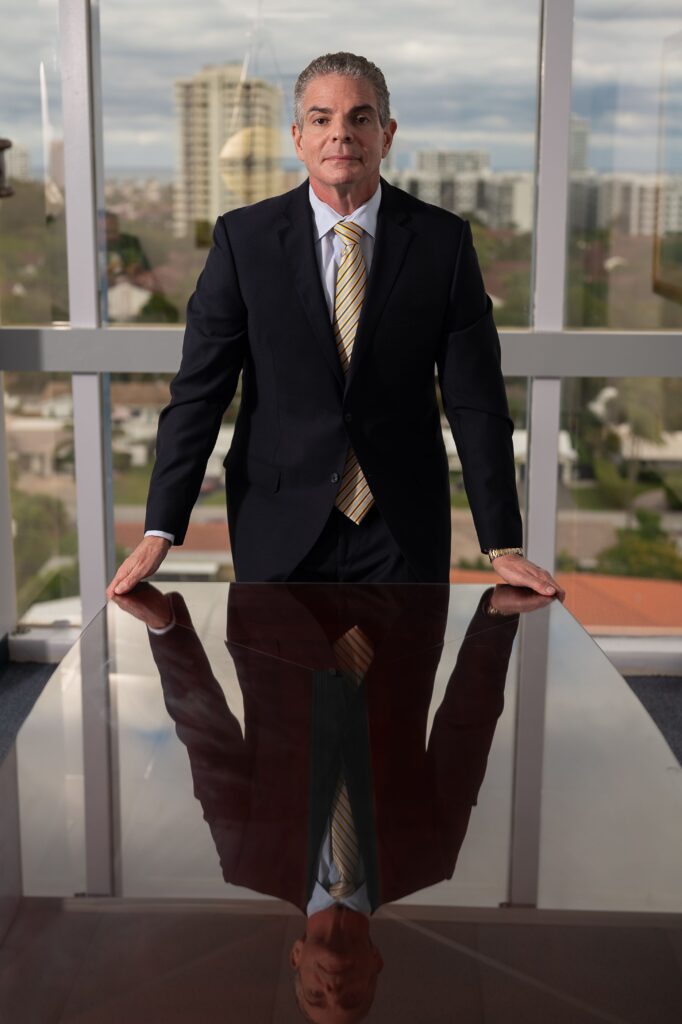
PARTNER
Former Assistant State Attorney, former insurance-defense lawyer, and more than 70 reported jury trials.
READ MARK J. MILLER’S BIO →
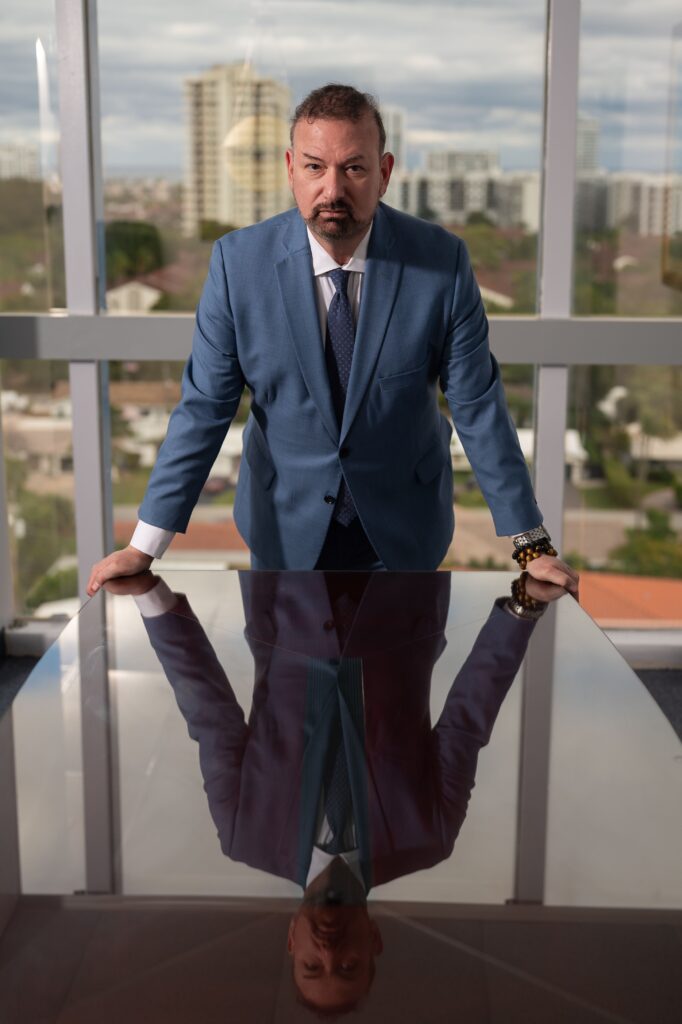
PARTNER
Former Miami-Dade Assistant State Attorney with more than 160 reported jury trials.
READ RICK S. JACOBS’S BIO →
Past results do not guarantee a similar outcome. Every matter depends on its facts, injuries, available coverage, and applicable law.
YOUR NEXT STEP CAN BE SIMPLE
Tell Miller & Jacobs where you were walking, how the vehicle moved, what changed afterward, and what you have heard from the insurers.
POMPANO BEACH HEADQUARTERS
⌖ 1600 S Federal Highway, Suite 1101
Pompano Beach, FL 33062
☎ 954-784-2277
◷ Free and confidential consultation
QUESTIONS PEDESTRIANS AND FAMILIES ASK FIRST
These answers provide a starting point. Signals, crossing location, vehicle use, insurance, injuries, age, and the parties involved can change the analysis.
Get needed medical care, report the collision, keep the report number, photograph what you safely can, identify witnesses, and preserve clothing, shoes, devices, and damaged property.
It may. Florida PIP can apply to a person struck by a motor vehicle while not occupying a self-propelled vehicle. Policy priority, household status, and the 14-day care requirement should be checked.
Possibly. Crossing location can affect fault, but drivers still have duties involving speed, attention, impairment, yielding, and reasonable care to avoid a collision.
Report every detail you remember about the vehicle and direction of travel. Nearby video, witness accounts, plate fragments, police work, and UM coverage may become important.
Vehicle damage, injuries, debris, electronic data, signal timing, camera footage, roadway measurements, phone records, and the parties’ routes can help reconstruct the sequence.
The driver’s duties still matter. Ownership, lighting, traffic flow, parking design, security video, delivery activity, and a property owner’s role may also need review.
Florida law calls for particular caution around children and visibly incapacitated people. Medical needs, future care, school, independence, guardianship, and family losses may require added analysis.
Florida generally provides two years for a negligence action under § 95.11. Government claims and other matters may involve added notice rules, so the exact deadline should be confirmed.
RELATED POMPANO BEACH RESOURCES