
Florida car accident claims
Are Sideswipe Collisions the Most Damaging?
By Miller & Jacobs Car Accident Attorneys
Not as a rule. A sideswipe can be serious, but its name alone does not tell you how badly someone was hurt or how much damage occurred. Look at where the cars touched, what happened next and the medical findings. Fault and insurance coverage are separate questions.
Start with the impact and what followed
01
Where did the vehicles touch?
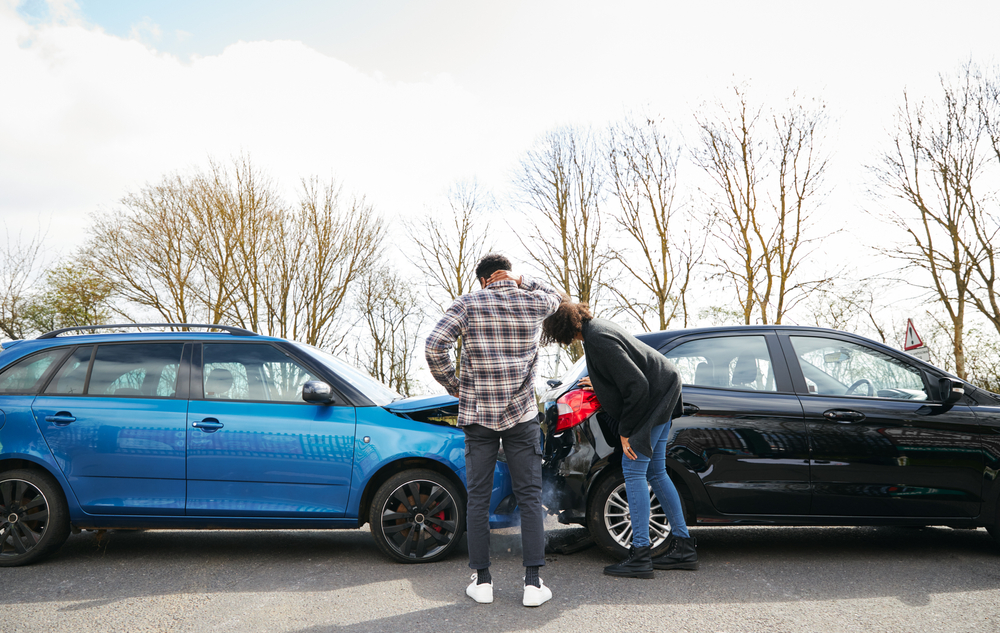
Look at the contact points on both vehicles, their direction of travel, and the lane positions. A side scrape alone may leave questions about who moved first.
02
What happened after contact?
Record any later impact, departure from the roadway, or rollover. The first contact may be only one part of the crash. Note which events you saw and which details you learned later.
03
Take symptoms seriously
Fault turns on the drivers' actions
Those duties are a starting point. The evidence must connect the driver's conduct to the crash and the claimed harm. The crash name alone does not assign fault.
A lane change or merge
Ask where each vehicle was before the move. Did one cross into a lane the other already occupied? What do the video, witnesses, signs, and damage show?
Both drivers moved
Two drivers may give different accounts of a move toward the same lane. Compare timing and position. Do not assume one driver bears all the fault just because one car was hit on its side.
A driver drifted
A driver need not intend to change lanes to leave one. Look for evidence of the path each vehicle took, while considering any limits in the camera view or witness account.

If you are shaken after a crash, being told it was “just a sideswipe” may feel dismissive. You can take your symptoms seriously and ask for the facts to be checked, even while parts of the story are still unclear.

Bring the facts you have
Speak With Our Sideswipe Accident Lawyers
Miller & Jacobs can review the lane questions, the records you have and the next steps available. Bring what you know and point out what remains uncertain.
Keep records that answer the lane questions
Safety and medical care come first. Once safe, keep the records you have and note what is missing. You do not need a complete file before asking for help.
The vehicles' paths
Save original dashcam files before the device records over them. Note nearby cameras and witness contact details. Ask soon whether footage exists; access and retention can vary.
The lane layout
Keep safe photos of lane lines, merge signs, lane closures, and the wider scene. Identify the road, direction, and approximate crash location so someone can check the layout.
The contact and damage
Keep original photos of both vehicles if available, along with repair estimates. Note any changes before repair. A damage pattern may help explain contact but should be checked against the other facts.
The full sequence
Get the report number and check the diagram and narrative against your account. Include later impacts and the final positions. Mark uncertain details as uncertain instead of filling gaps with guesses.
Match the claimed loss to the proof and rules
Medical bills, missed work, repair costs, and other receipts tell different parts of the story. Keep records for each loss. Ask which claims and policies fit. Check the coverage limits and the facts the insurer disputes.
There is no useful payout estimate based only on the word “sideswipe.” Medical findings, proof of losses, fault, and available coverage need separate review.
Questions after a sideswipe
More help with the claim questions

What records may help?
See what crash records may show, who may have them, and how to keep the files you receive.
Which claim covers the loss?
Understand why medical benefits, car repairs, and an injury settlement can follow separate paths.
Which deadline applies?
Check how the crash date and claim type affect the time to file a Florida lawsuit.