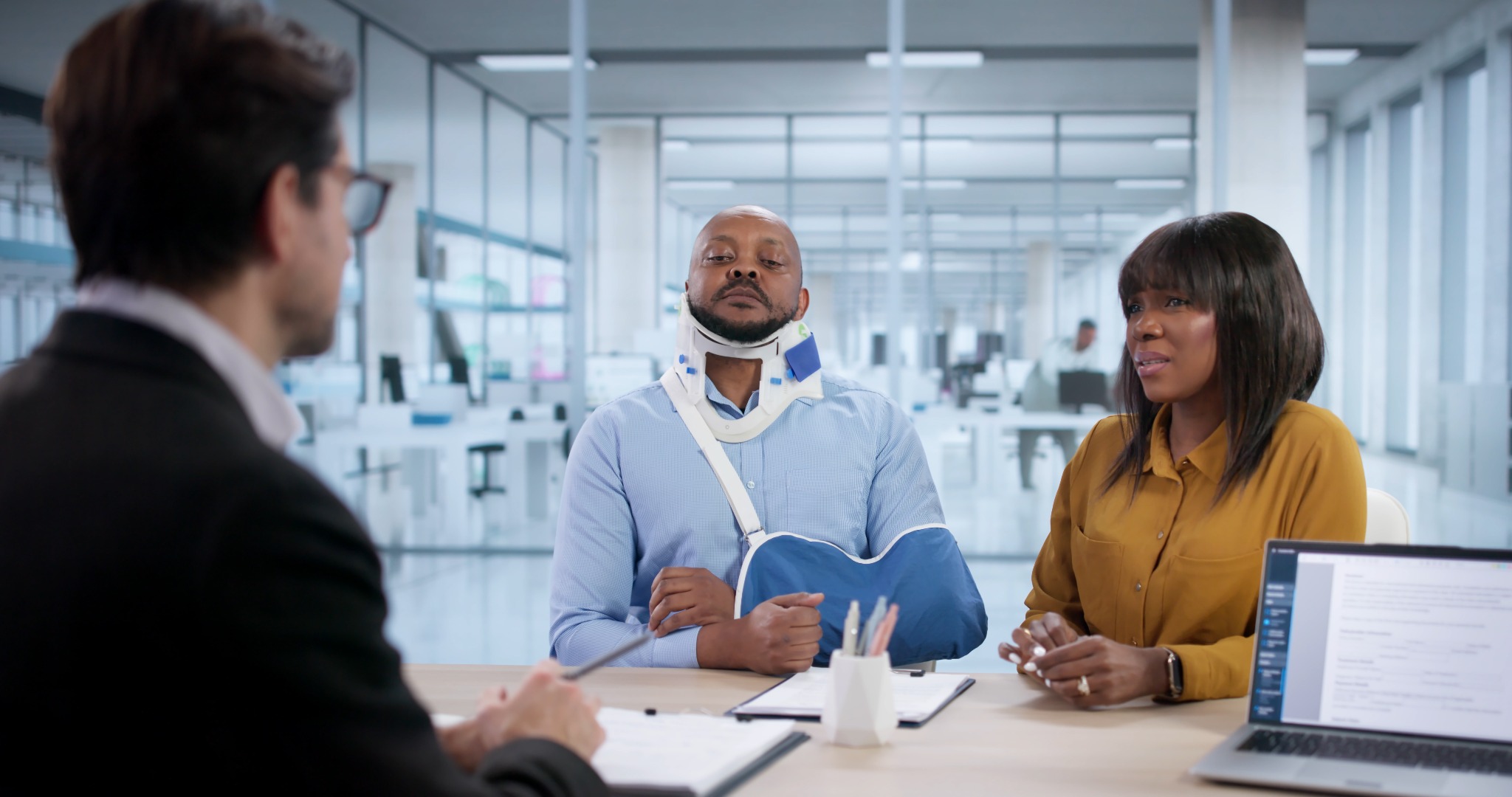

Miller & Jacobs represents catastrophic injury victims in Broward County, handling cases where the long-term costs extend far beyond the initial accident. Medical care, home modifications, lost income, and daily assistance may continue for years.
In Broward County, injuries such as traumatic brain injuries, spinal cord damage, amputations, and severe orthopedic trauma can create substantial future expenses. These cases require expert analysis and future cost projections. We work with medical specialists, life care planners, and economists to build comprehensive claims for current and future losses.
Call today for a free case review. There are no fees unless we recover compensation for you.
Table of contents
- What Makes a Broward Injury Claim Catastrophic
- When Should You Call a Catastrophic Injury Lawyer?
- Where Catastrophic Injuries Occur in Broward County
- The Life Care Plan: What It Is and Why It Determines Your Recovery
- How Insurers Fight Catastrophic Injury Claims in Florida
- Damages Available in Broward County Catastrophic Injury Cases
- Catastrophic Injury Claims in Broward: What Clients Ask Before They Call
- Talk to a Broward County Catastrophic Injury Attorney at Miller & Jacobs
What Makes a Broward Injury Claim Catastrophic

The label “catastrophic injury” is not limited to one medical diagnosis. The question is whether the injury permanently changes how a person lives, works, or functions.
Some injuries affect mobility. Others affect memory, speech, judgment, or the ability to earn a living. What they have in common is that the consequences continue long after the accident itself.
The most common catastrophic injuries seen in Broward County include:
Traumatic Brain Injury (TBI)
A severe blow to the head from a highway collision, fall, or construction impact can cause permanent cognitive, emotional, and physical impairment. TBIs range from moderate injuries involving memory loss, personality changes, and reduced work capacity to severe injuries requiring constant care. Because many TBIs do not fully appear on imaging, symptoms may develop over time. Neuropsychological testing is often essential to document the full extent of impairment.
Spinal Cord Injury
Damage to the spinal cord disrupts communication between the brain and body. Incomplete injuries may allow limited function, while complete cervical injuries can result in quadriplegia. Lifetime costs often reach seven figures when accounting for medical care, lost earnings, assistive equipment, and home or vehicle modifications.
Amputation and Limb Loss
High-impact crashes and industrial accidents can result in traumatic amputation. The impact is lifelong. Prosthetics require replacement every few years, along with ongoing therapy, psychological care, and vocational adjustment documented in a life care plan.
Severe Orthopedic and Multiple-Fracture Injuries
High-speed collisions, especially involving commercial trucks, can cause permanent joint damage, chronic pain, and long-term mobility issues that prevent return to work or normal activity.
Organ Damage and Internal Injury
Blunt-force trauma may permanently impair organs such as the kidneys or spleen, requiring lifelong medical management, lifestyle restrictions, and ongoing monitoring.
When Should You Call a Catastrophic Injury Lawyer?
The best time to call is as soon as it becomes clear that the injury may have long-term effects.
Many people wait until the insurance company makes an offer. By then, important evidence may be harder to collect, and future medical needs may not have been properly documented.
Early involvement allows an attorney to:
- Preserve evidence
- Identify all available insurance coverage
- Coordinate medical experts
- Begin future damage analysis
- Protect the value of the claim
If the injured person has suffered a brain injury, spinal cord injury, amputation, or another life-changing injury, it is usually worth speaking with a lawyer before discussing a settlement.
Where Catastrophic Injuries Occur in Broward County
Broward County’s traffic infrastructure and development density create specific, recurring conditions that lead to catastrophic injury events. When these injuries occur, knowing where they happened and why matters for building a strong claim. The locations below are where our clients most commonly sustain life-changing injuries in this county.
Fort Lauderdale has one of the highest pedestrian fatality rates in the United States, and many serious injury cases are linked to predictable roadway and construction conditions rather than isolated incidents.
I-95 and SR-595
These are Broward County’s highest-volume freight and commuter corridors. Tractor-trailer crashes, high-speed rear-end collisions, and multi-vehicle pileups between Hallandale Beach and Deerfield Beach frequently result in catastrophic injuries.
SR-595 also carries hazardous materials and gas tanker traffic, increasing the severity of certain collisions. When a commercial truck is involved, liability may extend beyond the driver to the trucking company, cargo owners, maintenance providers, or even manufacturers, depending on the cause of the crash.
The Sawgrass Expressway corridor
The Sawgrass Expressway, running through Coral Springs, Sunrise, and Plantation, is a high-speed, limited-access roadway where speed differentials and sudden lane changes create elevated crash risk. Rollovers, ejections, and chain-reaction collisions are recurring patterns. Litigation from these crashes is typically handled in the Seventeenth Judicial Circuit in Fort Lauderdale.
State Road 7 and major surface arterials
SR-7 passes through Lauderhill, North Lauderdale, Margate, and Coral Springs. High traffic volume, frequent driveways, pedestrian crossings, and inconsistent signal timing contribute to serious pedestrian and cyclist injuries. These cases often require an investigation into driver negligence and, in some instances, road design or maintenance responsibility.
Construction and development zones
Ongoing commercial and residential development across Fort Lauderdale, Davie, Pembroke Pines, and Miramar creates consistent risk for fall-from-height accidents, equipment-related crush injuries, and struck-by incidents. These are leading contributors to traumatic brain and spinal cord injuries among Broward County workers.
Call Miller & Jacobs for a free case review and learn how your case will be built from day one.
Learn more about navigating severe personal injury claims in nearby tourist districts like Pompano Beach—including how local traffic risks contribute to catastrophic injuries in the area—by exploring our comprehensive guide.
The Life Care Plan: What It Is and Why It Determines Your Recovery

A life care plan is often the key document that determines whether a catastrophic injury claim is valued correctly. Without one, future costs may be underestimated. With one, the claim reflects the full lifetime cost of care, including medical treatment, equipment, housing changes, transportation, and personal assistance.
The main goal is to show the real long-term cost of the injury, not just today’s medical bills.
A life care plan lists all expected future needs. This includes doctor visits, hospital care, surgeries, medications, medical equipment, and replacement schedules. It also covers home health aides, home modifications, adapted vehicles, rehabilitation, and mental health care. A forensic economist then calculates the present value of these future costs, adjusting for inflation so they can be used in settlement or trial.
In South Florida, long-term care costs are higher than the national average. Services such as in-home nursing care, wheelchair-accessible housing changes, and adapted vehicles in Broward County can be very expensive and must be properly included in any claim.
Insurance companies often challenge life care plans. They may argue that cheaper options are available, that replacement needs are overstated, or that future cost estimates are too high. Because of this, the strength of the medical records and expert witnesses plays a major role in how much of the plan is accepted.
A strong life care plan helps show the full financial impact of a catastrophic injury over a lifetime, not just immediate expenses.
Miller & Jacobs engages life care planners early in every catastrophic injury case. The plan shapes settlement demand, prepares the case for trial, and ensures that no future cost is left out of the damages calculation. Our attorneys have focused their practice on catastrophic and serious personal injury cases in South Florida, working directly with board-certified physicians, credentialed life care planners, and forensic economists to ensure every claim is supported by qualified expert testimony.
How Insurers Fight Catastrophic Injury Claims in Florida
Insurance carriers facing catastrophic injury exposure use structured defense strategies aimed at reducing lifetime damages and shifting liability. Understanding these tactics is important from the beginning of a claim.
Comparative fault
Under Florida Statutes § 768.81, recovery may be reduced based on the injured person’s percentage of fault, and barred entirely if fault exceeds 50 percent. Defense teams closely examine speed, seatbelt use, driving behavior, and prior incidents to assign blame. Accident reconstruction, witness testimony, and event data recorder analysis are often used to counter these arguments.
Pre-existing conditions
Insurance companies often say that a prior injury or health problem caused the current disability. But Florida law still holds the at-fault party responsible if the accident made an old condition worse. Doctors usually need to explain the cause of the injury. In many cases, neurologists or orthopedic specialists also help show how the accident caused or worsened the condition.
Policy limits strategy
When losses are higher than the insurance coverage, insurers may try to settle quickly to limit their costs. If an insurer refuses to pay the policy limit when it is clear they are responsible, they may later be forced to pay more than the coverage amount.
Expert challenges
Defense teams rigorously cross-examine life care planners, physicians, and economists. Strong, well-documented expert reports prepared early in the case are more resilient under scrutiny in Broward County litigation.
Damages Available in Broward County Catastrophic Injury Cases
Catastrophic injury claims include two main types of damages: economic and non-economic. They are measured and argued in different ways during settlement or trial.
Economic damages cover financial losses. This includes past and future medical care, rehabilitation, and treatment. It also includes lost income, reduced future earning ability, and the cost of long-term needs such as home modifications, medical equipment, and in-home care. A life care plan and an economic expert are often used to calculate these costs.
Non-economic damages cover how the injury affects a person’s life. This includes pain, emotional suffering, loss of enjoyment of life, permanent disability, and changes to family relationships. In most Florida personal injury cases, there is no set limit on these damages, and a jury decides the value.
In some cases, punitive damages may also apply. These are only available when the at-fault party acted with extreme negligence or intentional wrongdoing, such as drunk driving or knowingly unsafe conduct.
Call Miller & Jacobs today. Speak directly with a Broward County catastrophic injury attorney about what your case should be worth, at no cost to you.
“After my husband’s spinal cord injury, we had no idea where to start. The team at Miller & Jacobs walked us through every step and made sure nothing was left out of our claim.” Past results do not guarantee a similar outcome.

Catastrophic Injury Claims in Broward: What Clients Ask Before They Call
How long does a catastrophic injury case in Broward County take to resolve?
Most catastrophic injury cases in Broward County take 18 to 36 months to resolve, and some take longer. Settlement should not happen until the injured person reaches maximum medical improvement and all future care needs are documented, because settling too early almost always means leaving money behind.
Cases with multiple defendants or disputed liability often run longer. Most cases settle before trial, but the strength of your preparation from day one shapes every offer you receive.
What evidence is most important in the first weeks after a catastrophic injury?
The most important evidence is created early. This includes emergency room records, imaging results, initial specialist evaluations, and early symptom reporting. Consistency matters more than volume. Insurers can use gaps in treatment or delayed reporting to challenge the severity or cause of the injury.
Family or coworker observations during this period can also help show how the injury affected daily functioning before long-term treatment begins.
Should I wait until I finish all the treatment before settling my case?
In most catastrophic injury cases, yes. Settling before reaching maximum medical improvement can result in undervaluing future care needs. This is especially important when long-term rehabilitation, surgery, or ongoing therapy is expected.
However, every case is different, and timing depends on medical stability, liability clarity, and available insurance coverage.
Why are multiple experts needed in catastrophic injury cases?
Catastrophic injury claims often require several types of experts because no single professional can evaluate every aspect of long-term harm. Medical specialists explain diagnosis and treatment, life care planners estimate future needs, and economists calculate lifetime financial losses.
Together, these experts create a complete picture of both medical impact and long-term cost, which is essential for settlement or trial.
How are catastrophic injury damages actually calculated?
Catastrophic injury damages are calculated by combining medical evidence, financial analysis, and life care planning. There is no single formula, and each case depends on the facts. Economic damages cover documented costs such as treatment, future care, and lost income. Non-economic damages cover pain and suffering, and how the injury changes daily life; a jury typically decides this value in Florida.
Economic damages are based on documented costs such as medical treatment, rehabilitation, future care needs, and lost income. A life care planner outlines expected lifetime needs, and a forensic economist converts those future costs into a present-day value.
Non-economic damages are more subjective. They reflect pain, suffering, emotional impact, and how the injury changes daily life. In Florida, a jury typically decides this value based on the evidence presented.
Together, these components form the total value of a catastrophic injury claim.
Talk to a Broward County Catastrophic Injury Attorney at Miller & Jacobs

Decisions made in the first months after a catastrophic injury can affect the case’s value for years. Future medical costs, lost earning capacity, and long-term care needs must be documented before settlement discussions begin.
A claim that overlooks those costs may never fully recover them later.
Miller & Jacobs represents catastrophic injury victims and their families across Broward County, from Deerfield Beach and Pompano Beach through Fort Lauderdale, Plantation, Davie, Miramar, and Hallandale Beach.
Speak with our Broward attorneys today. The consultation is free, and the case evaluation starts the moment you call.