Broward County Spinal Cord Injury Lawyers

A spinal cord injury changes nearly every part of daily life. The medical costs are often permanent. Work, housing, transportation, and personal independence can all change after a serious injury.

A legal claim must account for more than the first hospital bill. It should include long-term care, future income loss, and the ongoing cost of support. If another party caused the injury, a Broward County spinal cord injury lawyer at Miller & Jacobs can help you understand what the case may truly involve.

Schedule a Free Consultation

Why Spinal Cord Injury Claims Demand a Different Standard of Representation

A sunlit, outdoor pedestrian plaza in Broward County lined with palm trees, patio umbrellas, and colorful chairs, providing geographic context for Broward County Spinal Cord Injury Lawyers.

Most personal injury claims resolve around a defined set of medical costs and a recovery period with a clear endpoint. Spinal cord injury claims do not work that way. The injury is frequently permanent. The medical costs are lifelong. The ripple effects touch employment, housing, relationships, and daily independence in ways that unfold over decades.

An insurer that settles a spinal cord claim quickly is not being cooperative. It is capping its exposure before the full picture of your losses becomes clear. A low early settlement on a catastrophic injury claim is one of the most financially damaging mistakes an injured person can make, and it cannot be undone once a release is signed.

A Broward County spinal cord injury attorney who handles catastrophic cases approaches valuation differently. Every claim requires a life care plan developed with a qualified rehabilitation specialist, an economic analysis of lifetime lost earnings, and testimony from medical experts who can explain the ongoing cost of care to a jury in plain terms. That foundation determines whether the recovery reflects the real harm or only a fraction of it.

What Families Should Do After a Serious Spinal Cord Injury

The first weeks after a spinal cord injury are usually overwhelming. Medical decisions happen quickly, and insurance companies may contact the family before the long-term effects of the injury are fully known.

There are several mistakes families should avoid early in the case:

  • Giving recorded statements before speaking with an attorney
  • Accepting early settlement offers
  • Posting accident details on social media
  • Assuming the first insurance policy is the only source of recovery

It is also important to keep records of treatment, transportation costs, home care needs, and communication with insurers. These details often become important later when calculating damages.

A spinal cord injury case should be evaluated early because the financial impact can continue for decades.

If your family is navigating this right now, call Miller & Jacobs for a free case review. Speaking with an attorney early can protect your claim before insurers make their first move.

How Spinal Cord Injuries Happen in Broward County

Miller & Jacobs Accident Attorneys

Spinal cord injuries in Broward County follow identifiable patterns tied to local geography and industry. High-speed rear-end and head-on collisions on I-95 and I-595 produce hyperflexion and hyperextension injuries that fracture vertebrae and compress or sever the cord. Construction site falls in rapidly developing areas like Hallandale Beach and Dania Beach account for a significant share of workplace spinal injuries each year. Diving accidents in the shallow pools and waterways throughout Pompano Beach and Deerfield Beach remain a consistent cause of cervical cord damage.

Motorcycle crashes on Florida’s Turnpike and US-441 through Lauderhill and North Lauderdale produce particularly severe outcomes because riders have no structural protection. Pedestrian accidents on heavily trafficked corridors like Sample Road and Sunrise Boulevard, where crosswalk compliance is inconsistent, result in cord injuries when impact forces exceed what the spine can absorb.

Heavy tourism traffic throughout South Florida also contributes to serious spinal injuries. Visitors unfamiliar with Broward roads often make sudden lane changes near beach corridors, hotel zones, and major exits along I-95. Congested traffic around Port Everglades and Fort Lauderdale-Hollywood International Airport also increases the risk of high-impact crashes involving commercial vehicles and rideshare drivers.

Each of these causes involves a different liable party, a different insurance structure, and a different legal approach. A car accident claim pursues the at-fault driver’s liability insurer. A construction site injury may involve a general contractor, a subcontractor, the site owner, and an equipment manufacturer simultaneously. Identifying every responsible party from the outset is essential because recovering against only one can leave significant compensation unreachable.

Complete vs. Incomplete Spinal Cord Injuries and Why the Distinction Matters Legally

Medical classification of spinal cord injuries directly shapes the legal and financial analysis of a claim. The American Spinal Injury Association impairment scale divides injuries into complete and incomplete categories based on the degree of motor and sensory function retained below the injury level.

A complete injury means no preserved function below the level of the lesion. Depending on where along the cord the injury occurs, this produces paraplegia, affecting the lower body, or tetraplegia, affecting all four limbs. Both require lifetime personal care assistance, adaptive equipment, modified housing, and ongoing medical monitoring for secondary complications, including pressure sores, respiratory infections, bladder dysfunction, and autonomic dysreflexia.

An incomplete injury preserves some function below the injury site. Recovery is possible in incomplete cases, but it is unpredictable, often prolonged, and requires intensive rehabilitation. Even partial recovery leaves many people with chronic pain, spasticity, weakness, and sensory disturbances that permanently affect their ability to work and maintain independence.

Both categories carry substantial lifetime costs. Research consistently places average lifetime care expenses for a high cervical cord injury between five and ten million dollars. A Broward County spinal cord injury lawyer must secure a recovery that covers that number, not the insurer’s opening offer.

Building the Economic Case for a Lifetime of Losses

Valuing a spinal cord injury claim accurately requires building a parallel financial picture of two lives: the life the injured person would have lived without the injury, and the life they will now live because of it. The difference between those two lives, measured in real dollars, is what the claim must recover.

The life care plan is one of the most important parts of a spinal cord injury case. It estimates the injured person’s future medical and personal care needs over their lifetime.

A certified life care planner works with doctors and rehabilitation specialists to project future costs. These may include physical therapy, in-home nursing care, wheelchair equipment, home modifications, transportation needs, and future hospitalizations.

The plan also accounts for how often equipment may need replacement and how the injury may create secondary medical complications over time. This analysis helps show the true financial impact of the injury rather than only the immediate medical bills.

Lost earning capacity analysis runs parallel to the medical projection. A vocational expert evaluates what the injured person was earning before the accident, what their career trajectory would have produced over their remaining work life, and how the injury has eliminated or restricted their ability to work. An economist then converts those figures into present value. Together, these analyses produce a documented, defensible damages number that stands up to insurer challenge and jury scrutiny.

Miller & Jacobs works with experienced life care planners, vocational specialists, and medical economists on catastrophic injury cases. We do not estimate. We document. Our attorneys have handled catastrophic spinal cord injury cases in Broward County courts for over two decades, building damage cases that reflect the full lifetime cost of the injury.

Call for a free case review today.

Florida Law and the Spinal Cord Injury Claim

Florida Statute 768.81 governs comparative fault in personal injury cases. Under the current modified comparative fault standard, an injured party who bears more than 50 percent of the responsibility for their own injury cannot recover. Defendants in spinal cord cases use this rule aggressively. They investigate pre-accident driving behavior, workplace safety compliance, whether a seatbelt was worn, and any other factor that can shift partial fault to the injured person and reduce the payout.

Florida’s statute of limitations for personal injury claims under Florida Statute 95.11 gives most plaintiffs two years from the date of the injury to file suit. For claims involving government entities, such as injuries caused by municipal vehicle negligence or unsafe public property, a formal notice of claim under Florida Statute 768.28 must be filed within three years, and strict procedural requirements apply. Missing either deadline eliminates the claim entirely.

In cases involving a defendant whose conduct was particularly reckless, such as a drunk driver or an employer who ignored documented safety violations, Florida Statute 768.72 permits the pursuit of punitive damages on top of compensatory recovery. These are not available in every case, but the facts of spinal cord injury cases sometimes support them.

Statutes and deadlines should be verified by counsel at the time of filing, given the potential for legislative changes.

What Insurers Do When a Spinal Cord Claim Is Filed

An insurer receiving a spinal cord injury claim immediately recognizes the exposure. These are the claims that can reach or exceed policy limits. The insurer’s response is calculated and fast.

The first move is typically a recorded-statement request, often framed as a routine step. The goal is to capture early descriptions of symptoms that may understate the full extent of the injury before imaging and specialist evaluation have confirmed the complete picture. A statement given too early locks in a version of events that the insurer uses to dispute later medical findings.

The second move is an independent medical examination. The insurer selects and pays for the examining physician. These exams are not independent in any meaningful sense. They frequently produce reports that minimize injury severity, question the necessity of recommended treatment, and create a paper trail that the insurer uses to challenge your medical expert at trial.

A Broward County spinal cord injury attorney who handles catastrophic cases anticipates both tactics. We prepare clients for what to expect, retain qualified medical experts to rebut insurer-hired physicians, and ensure that no statement or examination creates a gap the defense can exploit.

The value of a spinal cord injury claim often depends on identifying every available insurance policy early in the case. Speak with a Broward County spinal cord injury attorney before giving a recorded statement or accepting any settlement offer.

A close-up of an empty wheelchair in a rehabilitation clinic, with a patient and medical team blurred in the background, representing cases handled by Broward County Spinal Cord Injury Lawyers.

Questions Spinal Cord Injury Victims and Families Ask Before Hiring an Attorney

How long does a spinal cord injury lawsuit take to resolve?

Catastrophic injury cases take longer than standard personal injury claims. Building the life care plan, completing expert depositions, and conducting full discovery typically requires twelve to thirty-six months. Cases that go to trial take longer. Settling before the full medical picture is established is a mistake in these cases, so the timeline is driven by the injury’s progression and the completeness of the damage documentation rather than a desire for speed.

Can family members recover anything if they are caring for an injured relative?

In some circumstances, yes. A spouse may pursue a loss-of-consortium claim for the injury’s impact on the marital relationship. Where a family member has left employment to become a full-time caregiver, the economic value of that care may be recoverable as part of the injured party’s damages. These scenarios require individualized legal analysis because they depend on the specific facts of the injury and the family’s situation.

Can a spinal cord injury settlement cover future home modifications?

Yes. Serious spinal cord injury claims in Florida regularly include projected costs for wheelchair ramps, widened doorways, accessible bathrooms, stair lifts, and other modifications. In South Florida, renovation and construction costs are above the national average, which affects how a life care planner calculates these figures. A Broward County attorney familiar with local pricing will ensure the life care plan reflects actual costs in this market, not national averages that understate what the injured person will actually spend.

Will the insurance company monitor my social media after the accident?

Yes, in Florida, this is a recognized defense tactic. Under Florida’s broad discovery rules, insurers and defense attorneys can request access to social media content they argue is relevant to the claimed injuries. In Broward County catastrophic injury cases, even posts that seem unrelated to the accident have been used to challenge damage claims. Avoid posting anything about your activities, travel, or physical condition while the case is open.

Do spinal cord injury cases usually settle or go to trial?

In Broward County, spinal cord cases with clear liability and strong damage documentation are more likely to settle at a meaningful value than cases where fault is disputed. Factors that push these cases toward trial include comparative fault arguments, disputes over the extent of a complete vs. incomplete injury, and insurers who refuse to offer a number that covers lifetime care costs. Cases filed in the Seventeenth Judicial Circuit can take two or more years to reach trial, which affects how settlement negotiations unfold.

Does Miller & Jacobs handle spinal cord injury cases outside Fort Lauderdale?

Yes. We represent spinal cord injury victims throughout Broward County, including Pembroke Pines, Coral Springs, Plantation, Weston, Coconut Creek, Margate, and all surrounding communities. The location of the crash or injury within Broward County does not affect our ability to handle the case. We also work regularly in the Seventeenth Judicial Circuit, which hears Broward County civil cases.

The Standard of Recovery a Spinal Cord Injury Requires

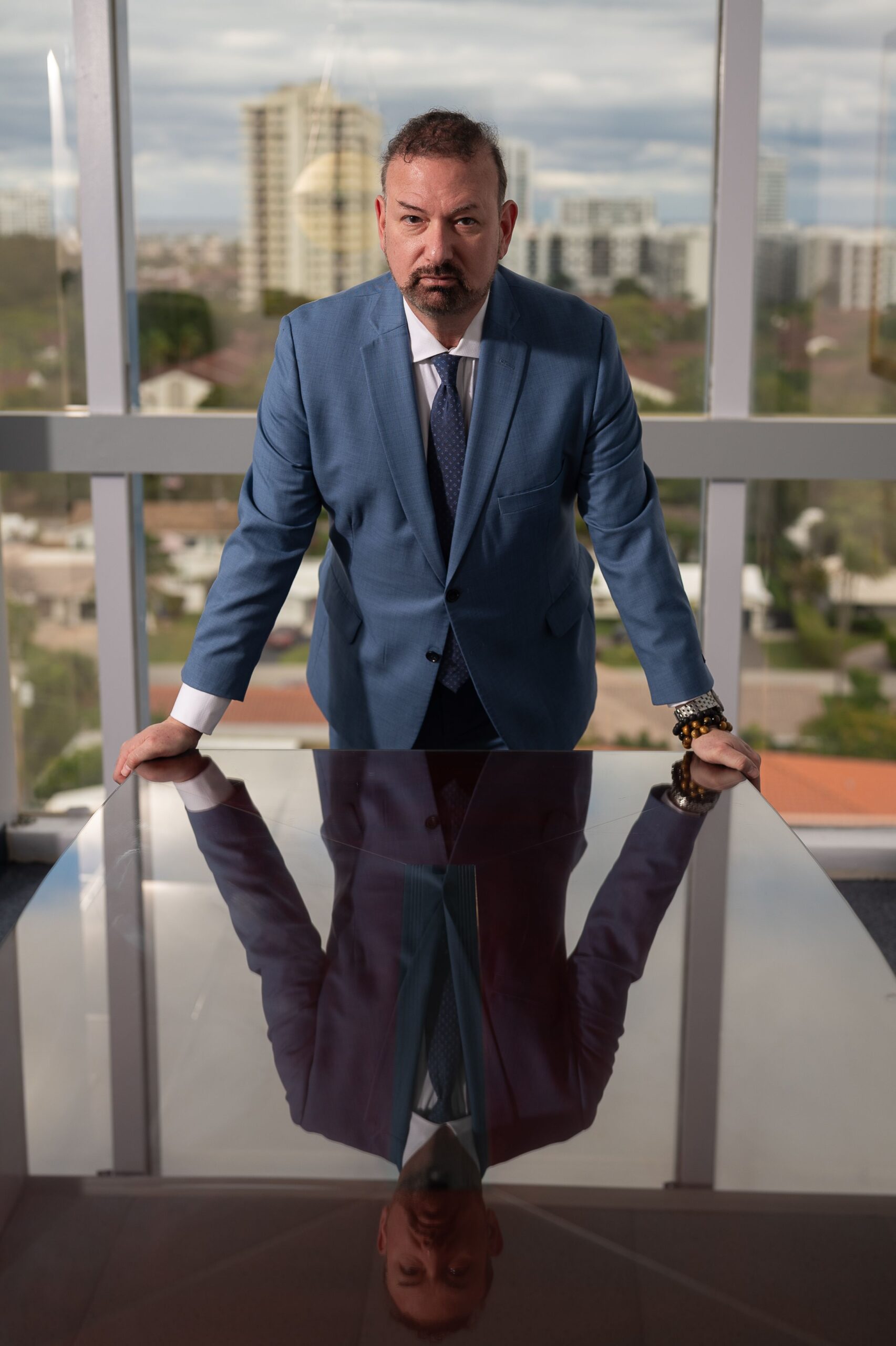
Personal Injury Attorney Mark J. Miller, Esq.
Mark J. Miller - Fort Lauderdale Car Accident Lawyer

A settlement that covers the first two years of medical costs is not justice for an injury that lasts a lifetime. A Broward County spinal cord injury lawyer at Miller & Jacobs builds every catastrophic case to recover the full financial reality of the harm, from the emergency room through decades of future care.

There is no fee unless we recover for you. Call Miller & Jacobs now or fill out the form online to get your free case review.

Schedule a Free Consultation