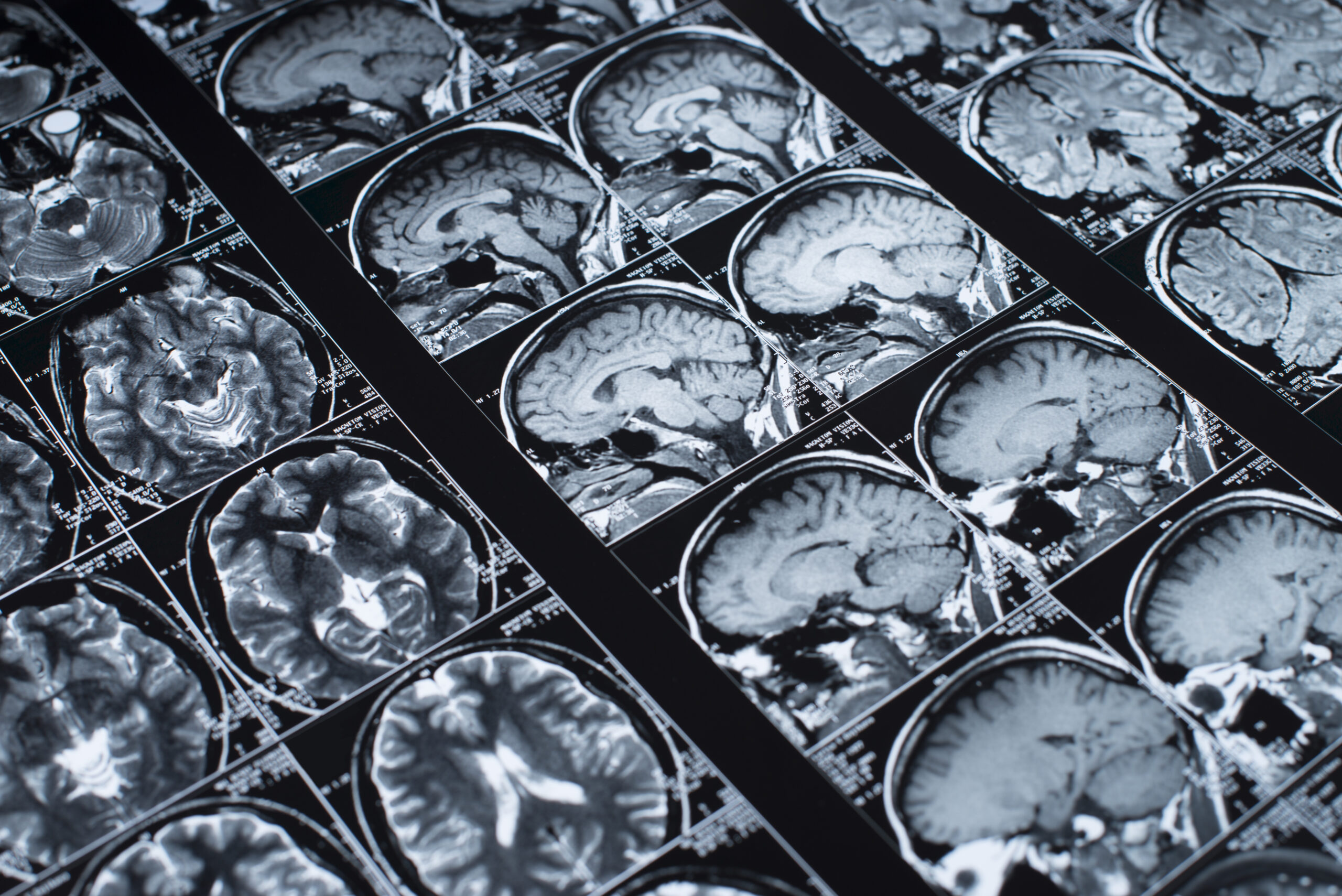
The hardest part of many traumatic brain injury claims is proving an injury that does not clearly appear on imaging. Insurance companies often use normal CT scans or limited MRI findings to argue that memory loss, headaches, mood changes, or concentration problems are unrelated to the accident.
Many people leave the emergency room believing they avoided serious injury, only to develop cognitive symptoms days later. Problems with focus, fatigue, sleep, irritability, and short-term memory can disrupt work, relationships, and daily routines long before diagnostic imaging explains why.
Traumatic brain injury cases frequently rely on more than standard medical records, especially when imaging does not show clear structural damage. Neuropsychological testing, neurological specialists, and carefully documented symptom progression frequently become central to proving the claim and countering insurance defense arguments.
Speak with a Broward County traumatic brain injury lawyer today for a free case review.
Table of contents
- Why TBI Cases Are Harder to Prove
- How a TBI Can Affect Daily Functioning
- Mild, Moderate, and Severe Traumatic Brain Injuries
- Types of Traumatic Brain Injuries Seen in Broward County Cases
- Why Brain Injuries May Not Show on Standard Imaging
- Where Serious TBI Accidents Happen in Broward County
- How Insurance Companies Dispute TBI Claims
- What To Do After TBI Symptoms Appear
- Why Early Documentation Is Critical in TBI Cases
- How TBI Symptoms Typically Develop After a Crash
- Damages in a Broward County TBI Claim
- Broward County TBI Claims: Questions With Specific Legal Answers
- Talk to a Broward County Brain Injury Lawyer at Miller & Jacobs
Why TBI Cases Are Harder to Prove

Traumatic brain injuries are different from most injury claims because the damage is often invisible on standard imaging. A person may appear physically normal while struggling with memory loss, concentration problems, emotional instability, or cognitive fatigue that affects work and daily life.
That disconnect becomes the center of the legal fight. Insurance companies frequently argue that symptoms are stress-related, pre-existing, or unsupported by objective evidence.
Strong TBI claims are often supported by evidence beyond emergency room scans. Neurologists, neuropsychologists, and rehabilitation specialists help document how the injury affects cognitive functioning over time. Neuropsychological testing can identify measurable deficits in memory, attention, processing speed, and executive function even when CT scans appear normal.
The quality of that medical documentation often determines whether the claim survives insurer scrutiny, especially in cases involving mild TBI or diffuse axonal injury.
How a TBI Can Affect Daily Functioning
The effects of a traumatic brain injury are often most noticeable in everyday activities rather than in medical test results. Individuals may struggle with tasks that previously required little effort, such as reading, following conversations, managing schedules, or multitasking at work.
Cognitive fatigue is also common. This can make it difficult to concentrate for extended periods, leading to slower performance, frequent mistakes, or the need for additional rest throughout the day.
Emotional and behavioral changes may also occur, including increased irritability, anxiety, or reduced tolerance for stress. These changes can affect both professional performance and personal relationships, even when physical recovery appears complete.
Mild, Moderate, and Severe Traumatic Brain Injuries

Traumatic brain injuries are classified along a spectrum of severity, but even “mild” injuries can have significant long-term effects depending on the individual and the circumstances of the crash.
Mild traumatic brain injuries, often diagnosed as concussions, may involve temporary confusion, headaches, dizziness, and cognitive slowing. While many resolve within weeks, some develop persistent post-concussion symptoms that last for months or longer.
Moderate to severe TBIs may involve structural brain damage, loss of consciousness, or longer periods of cognitive impairment. These cases are more likely to show abnormalities on imaging studies and often require extensive rehabilitation and long-term medical care.
The legal significance of a TBI is not determined solely by its medical classification, but by how the injury affects daily functioning, work capacity, and long-term quality of life.
Types of Traumatic Brain Injuries Seen in Broward County Cases
Traumatic brain injuries vary widely in severity and long-term impact. The way the injury presents medically often shapes both treatment and litigation strategy.
Concussions and Post-Concussion Syndrome
Concussions are the most common TBIs after vehicle crashes, falls, and impact injuries. Symptoms may include headaches, dizziness, concentration problems, memory issues, sleep disruption, and sensitivity to light or sound. While many people recover within weeks, others experience symptoms that persist for months or longer.
Diffuse Axonal Injuries
Diffuse axonal injuries occur when rotational force causes nerve fiber damage inside the brain. These injuries are common in high-speed collisions and can produce severe cognitive impairment, even when early imaging may appear normal or inconclusive.
Contusions and Direct Impact Injuries
A direct blow to the head can bruise brain tissue and create measurable neurological deficits involving speech, coordination, mood, or motor function. These injuries are more likely to appear on CT or MRI imaging.
Hypoxic Brain Injuries
Oxygen deprivation caused by near-drowning events, surgical complications, or trauma-related complications such as cardiac arrest or respiratory failure can lead to permanent brain damage. These claims often require extensive neurological and causation analysis.
Why Brain Injuries May Not Show on Standard Imaging
Many traumatic brain injuries, particularly mild TBIs, do not appear on CT scans or standard MRI studies. These imaging tools are designed to detect structural damage such as bleeding, fractures, or large lesions, but they may not capture microscopic injury to brain cells.
Conditions such as concussion or diffuse axonal injury can involve disruption of neural pathways without visible structural changes on imaging. As a result, patients may continue to experience cognitive and neurological symptoms even when scans are reported as “normal.”
This is one of the primary reasons neuropsychological testing and clinical symptom tracking are often used to evaluate brain function after an accident.
Where Serious TBI Accidents Happen in Broward County
Traumatic brain injuries in Broward County commonly result from high-speed vehicle crashes, pedestrian impacts, falls, and construction accidents.
Pedestrians and cyclists face especially severe risks because they lack physical protection during impact. Falls on construction sites, scaffolding, stairways, and commercial properties also remain a leading source of serious head trauma throughout Broward County.
The accident environment matters because it shapes liability investigation, available evidence, and the parties that may ultimately bear responsibility.
Broward County crashes also frequently involve rideshare traffic, tourists unfamiliar with local roads, and dense commuter congestion around Fort Lauderdale and major highway interchanges. Those collisions often create disputes over injury severity because insurers argue that limited vehicle damage means limited injury risk, even when neurological symptoms emerge later.
How Insurance Companies Dispute TBI Claims
Insurance companies frequently challenge traumatic brain injury claims when imaging findings are limited or when symptoms develop gradually after the accident.
One of the most common defense tools is the so-called independent medical examination. The insurer selects and pays the physician performing the evaluation. These examinations are often brief and commonly minimize the severity of cognitive symptoms, especially when imaging does not show obvious trauma.
Insurers also investigate prior medical history, review social media activity, and search for alternative explanations for memory loss, concentration problems, or emotional changes. In many cases, they argue the symptoms are stress-related, pre-existing, or exaggerated.
Surveillance is sometimes used in higher-value claims. However, traumatic brain injuries often involve cognitive limitations rather than visible physical restrictions, making short video clips an unreliable measure of neurological impairment.
Comparative fault arguments are also common. In Florida, compensation may be reduced if the injured person shares responsibility for the accident, and recovery may be barred entirely if they are found more than 50 percent at fault under Florida Statutes § 768.81.
Strong TBI cases rely heavily on early neurological documentation, neuropsychological testing, and consistent medical records that connect the cognitive symptoms directly to the accident.
What To Do After TBI Symptoms Appear
Many people do not recognize the seriousness of a traumatic brain injury immediately after an accident. Symptoms such as memory problems, headaches, confusion, sleep disruption, irritability, and difficulty concentrating often develop over several days.
Early medical documentation matters. Waiting too long to seek neurological evaluation may allow insurers to argue that the symptoms were caused by something unrelated to the accident.
Keeping follow-up appointments, consistently reporting cognitive changes, and avoiding contradictory social media activity can all affect the strength of a claim. In cases involving ongoing symptoms, neuropsychological testing may become important evidence even when imaging appears normal.
If you are experiencing symptoms after an accident, contact Miller & Jacobs today for a free case review. Our attorneys can help identify what evidence will matter most in your claim.
Why Early Documentation Is Critical in TBI Cases
Early documentation is critical because it directly connects your symptoms to the accident before insurers can argue another cause. Medical records created close to the accident date carry more evidentiary weight than documentation produced months later, and gaps between the accident and the first neurological evaluation are one of the most common tools insurers use to challenge TBI claims.
When symptoms are reported consistently from the beginning, it becomes easier to establish a clear connection between the accident and the resulting cognitive issues. In contrast, gaps in treatment or delayed reporting may allow insurers to argue that symptoms developed from unrelated causes.
For this reason, follow-up care, neurological evaluations, and consistent reporting of symptoms can play an important role in how a claim is ultimately assessed.
How TBI Symptoms Typically Develop After a Crash
TBI symptoms typically develop in the days following a crash, not at the scene. Emergency rooms focus on ruling out life-threatening conditions such as bleeding or skull fractures, and cognitive symptoms often emerge only after that initial evaluation is complete.
It is common for individuals to feel “normal” or only slightly shaken immediately after an accident, only to notice changes in the following days. These may include difficulty concentrating, sensitivity to light or noise, slowed thinking, sleep disturbances, and emotional changes such as irritability or anxiety.
In more subtle cases, friends, family members, or coworkers are often the first to notice behavioral or cognitive differences. These third-party observations can become important supporting evidence when medical imaging does not clearly show injury.
Damages in a Broward County TBI Claim
Traumatic brain injury damages vary significantly depending on the severity of the injury, the person’s occupation, and the long-term cognitive impact. A TBI that prevents someone from returning to a professional career may create substantial future losses, even when imaging findings appear limited.
Medical damages may include:
- Emergency treatment
- Neurological evaluations
- Neuropsychological testing
- Future therapy and long-term care
Severe cases sometimes require life care plans prepared by specialists who project future treatment needs and associated costs.
Lost income and reduced earning capacity are often major components of TBI claims. Cognitive limitations involving concentration, memory, communication, or decision-making may prevent a return to prior employment even after physical recovery.
Non-economic damages may include:
- Pain and suffering
- Emotional distress
- Loss of enjoyment of life
- Personality changes
- Loss of consortium
Family members, coworkers, and treating providers often help document how the injury changed the person’s daily functioning and relationships.
Under Florida law, the statute of limitations for most negligence-based TBI claims is generally two years from the date of the accident for incidents occurring on or after March 24, 2023. Certain exceptions and shorter deadlines may apply in claims involving government entities.
Find out what your TBI claim may realistically involve. Call Miller & Jacobs for a free consultation.

Broward County TBI Claims: Questions With Specific Legal Answers
What should I bring to my first meeting with a Broward County TBI attorney?
Bring emergency room or urgent care records, follow-up appointment notes, imaging reports, and a written list of symptoms since the accident. If you have documentation of missed work or communications with an insurance adjuster, bring those as well. The more complete your early records, the clearer the picture of how the injury developed.
Does hiring a TBI attorney cost anything upfront?
No. Miller & Jacobs handles TBI claims on a contingency fee basis, meaning there are no attorney fees unless we recover compensation for you. The initial consultation is also free, so there is no financial risk in speaking with our team about your case.
Can family members help support my TBI claim?
Yes. Family members, coworkers, and close friends can describe changes in memory, personality, communication, and daily functioning after the accident. Those observations often become important evidence in brain injury litigation.
I had a prior concussion years ago. Will the insurer use that to deny my current claim?
Insurers often argue that current symptoms relate to a prior concussion rather than the recent accident. That does not automatically defeat the claim. If the injured person had recovered before the new accident, medical records may help distinguish the prior injury from the current condition. Florida law also allows recovery when an accident aggravates a pre-existing condition.
Talk to a Broward County Brain Injury Lawyer at Miller & Jacobs

Our attorneys have handled traumatic brain injury claims throughout Broward County and understand how to build the medical record that supports these cases. We work directly with neurologists, neuropsychologists, and rehabilitation specialists who know how to document cognitive injury in a way that holds up against insurer scrutiny.
Call Miller & Jacobs today at (954) 784-2277 or fill out our contact form to schedule your free consultation. There is no fee unless we recover for you.