
H3Ask for a medical assessment.
Describe the change you noticed to a clinician and ask what care is needed now. A new injury, infection, confusion, or sudden decline deserves attention even when its cause is not clear.
Orlando nursing home care concerns
You may have noticed a new injury, a change in health, or an explanation that does not add up. Start with your loved one’s care. We can help you sort through what happened and what questions need answers.
Free consultation. You do not need the complete facility record to start a conversation.
of combined legal experience
jury trials across the partners’ careers
Office on South Kirkman Road
consultation about your next steps
A place to begin
It can be unsettling to see someone you love hurt or suddenly less like themselves. You do not have to decide tonight whether anyone was negligent. These steps help protect their well-being and keep track of what you already know.
In immediate danger? Call 911. If the resident needs urgent medical attention, get that care before trying to collect documents or speak with the facility about a claim.
Describe the change you noticed to a clinician and ask what care is needed now. A new injury, infection, confusion, or sudden decline deserves attention even when its cause is not clear.
Keep dates, names, photos you may lawfully take, messages, and the explanation you were given. Save the resident’s own account in their words when they want to share it.
Suspected vulnerable-adult abuse or neglect can be reported to Florida’s Abuse Hotline. A concern about care at a licensed facility can be reported to AHCA. A resident advocate can also help.
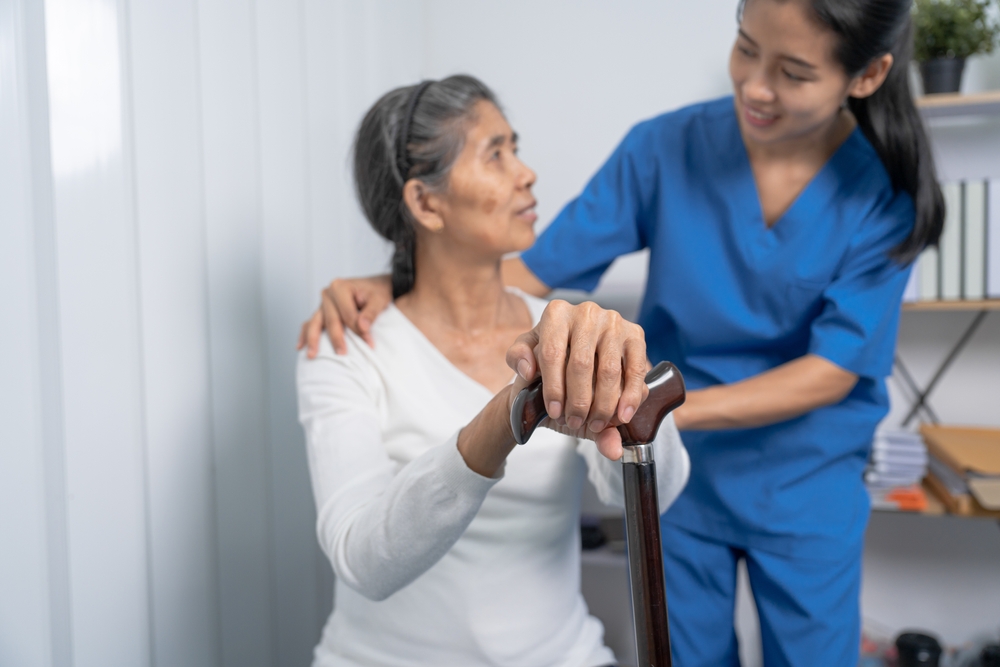
You can start with what you noticed
It is hard to watch someone you love change and not know why.
Maybe there was a fall, a pressure injury, missed medication, or a change in how they speak and move. Tell us what you saw and what the facility told you. We can help identify what records may answer the next question.
From a concern to a clearer picture
A concerning change deserves attention, but one sign alone does not establish neglect. The care plan, medical condition, staff response, and records help explain whether the care fell short and whether that shortfall caused harm. Choose a concern to see what may need review.
What families may noticeA new injury, repeated falls, or a gap between the incident and when the family was told.
What may answer the questionFall-risk assessments, assistance and transfer plans, incident notes, staff accounts, treatment records, and the resident’s condition before and after the event.
What families may noticeA sore that worsens, signs of infection, or treatment that seems to start late.
What may answer the questionSkin assessments, turning and wound-care plans, nursing notes, orders, photos, and how the facility responded when the condition changed.
What families may noticeClothing fits differently, the resident eats or drinks less, or the reason for the change is unclear.
What may answer the questionWeight trends, diet and fluid plans, swallowing concerns, physician orders, intake notes, and whether changes were assessed and communicated.
What families may noticeNew confusion, unusual sleepiness, missed doses, or a medication change no one has explained.
What may answer the questionMedication orders and administration records, assessments, physician communications, hospital notes, and the resident’s baseline health.
A conversation can start small
We can listen to the sequence you know, identify what should be checked, and explain whether a legal review may help. The resident’s care and wishes remain central.
Here in Orange County
An Orlando mailing address does not always tell you the type of licensed facility or who operates it. FloridaHealthFinder lets you search by facility name, city, or Orange County. That can help identify the licensee and available inspection information.
Inspections and citations are useful context. They do not, by themselves, establish what caused a particular resident’s injury.
Public record starting point
Use the information you already have:
A nursing home and an assisted living facility may fall under different resident-rights laws.
Note dates and findings, then compare them with the care question you actually have.
Where to raise a concern
Reporting a safety concern and asking about a civil claim serve different purposes. You can use a public reporting or advocacy route whether or not you ever bring a legal claim.
For suspected abuse, neglect, or exploitation of a vulnerable adult. If there is immediate danger, call 911 first.
Report to DCF ↗For a concern about care or services at a facility regulated by Florida’s Agency for Health Care Administration.
Contact AHCA ↗A resident-focused advocate who can help address concerns in nursing homes and other long-term care settings. The East Central district serves Orange County.
Find the district ↗These routes do not replace urgent medical care. They are also separate from an attorney’s review of whether a civil claim exists.
The legal framework, in plain language
Florida’s nursing-home law protects care, dignity, safety, and the ability to raise concerns. A legal claim asks a narrower question: did someone with a duty fall short, and did that failure cause harm?
Section 400.022 addresses appropriate health care consistent with the care plan, freedom from abuse or neglect, dignity, and the right to voice grievances. A resident’s wishes and consent matter throughout the process.
Section 400.023 describes who may bring a covered claim and what must be proved. The facility’s records, the resident’s condition, and the harm all matter. The law does not make a facility automatically liable whenever an injury occurs.
Covered claims can require a presuit notice process and have specific filing limits. The right timing and claimant depend on the facts, so ask for an individual review rather than assuming a general deadline applies to your family.
What to expect
You can call with a concern, a date, and the explanation you were given. We start there. Our Orlando personal injury guide explains the broader claim process.
Tell us the resident’s usual condition, what you saw, what staff said, and what medical care followed. We ask about the resident’s wishes and who is authorized to act.
Depending on the concern, we may review the care plan, nursing and medication records, incident reports, hospital records, staffing information, and public facility history.
We discuss what the evidence supports, who may bring a claim, any presuit step or deadline, and what comes next. If a legal claim is not supported, you still deserve a clear explanation.
The people behind the firm
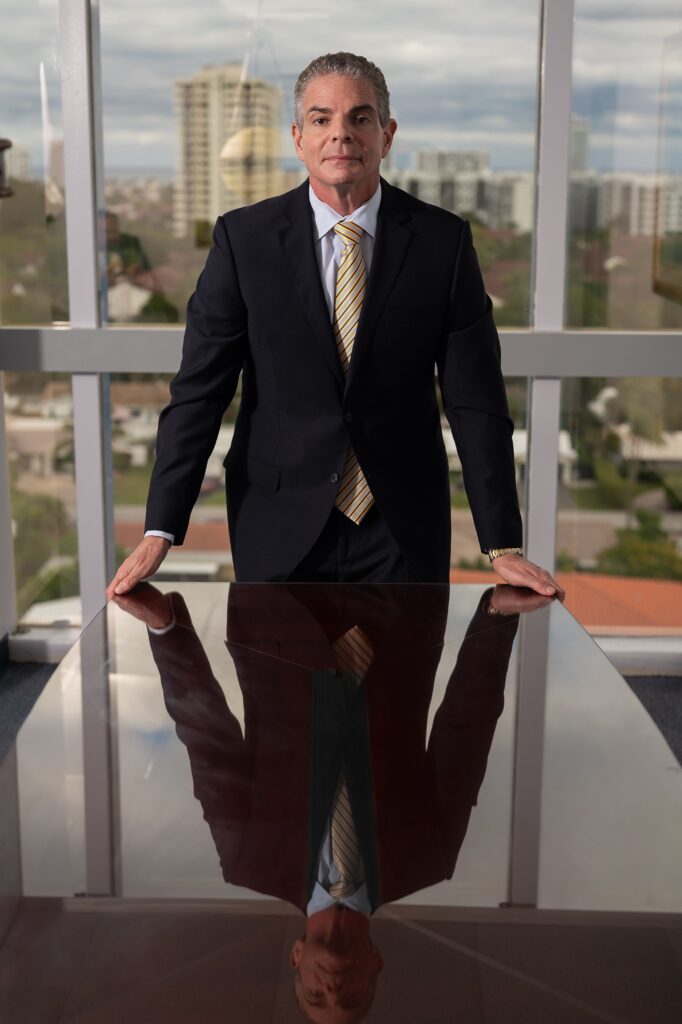
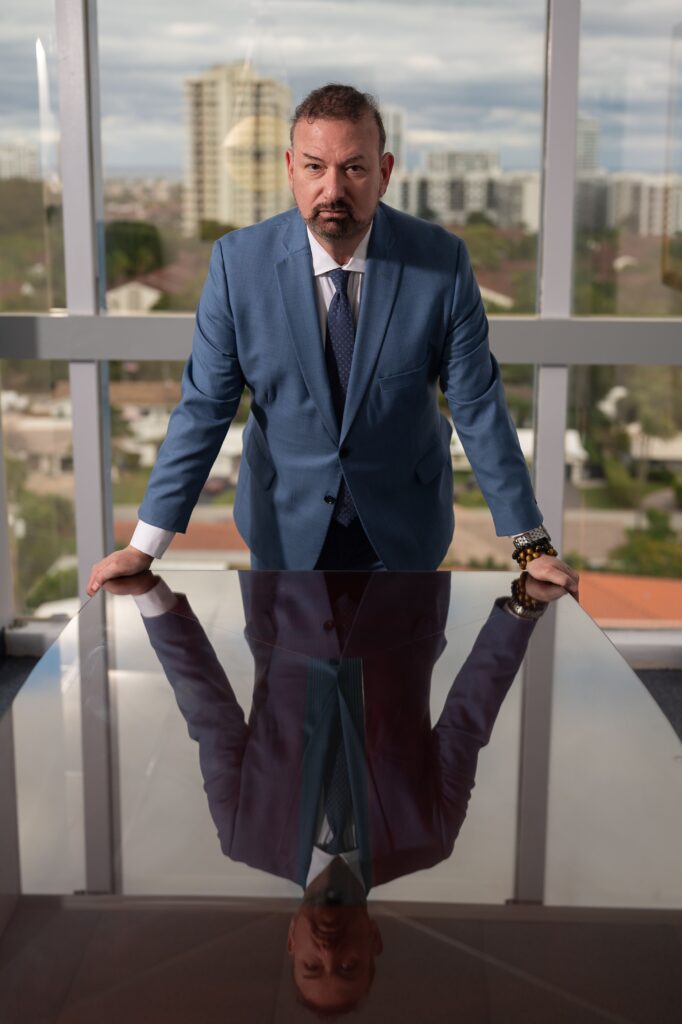
Mark J. Miller and Rick S. Jacobs are partners at Miller & Jacobs. Read their backgrounds and bring the questions that matter to you.
Questions before you call
These answers are a starting point. A resident’s care, legal authority, and the type of facility all affect the review.
Write down who spoke to you, when, and what they said. Keep any messages or discharge papers you already have. An attorney can discuss which facility and medical records may help compare that explanation with the care provided.
Not by itself. The resident’s health, fall risk, care plan, supervision, response, and resulting harm matter. A review asks what precautions were appropriate and whether a failure caused the injury.
For immediate danger, call 911. The Florida Abuse Hotline accepts reports of suspected vulnerable-adult abuse or neglect. You may also raise facility-care concerns with AHCA or seek help from the Long-Term Care Ombudsman.
Access to records and authority to act depend on the resident’s consent and your legal role. Florida law identifies who may bring a covered nursing-home claim, including the resident, guardian, someone acting with consent, or an estate’s personal representative in the circumstances the statute describes. We can discuss the correct path without assuming a family relationship alone grants access.
We can start by confirming the facility’s license. Assisted living facilities have a different statutory framework from nursing homes. The resident’s safety and questions still matter, but the legal analysis should match the actual setting.
As soon as practical after urgent care and safety needs are addressed. Florida nursing-home claims can have presuit requirements and filing limits, and records or memories may become harder to obtain with time. The applicable dates depend on the facts.
Related Orlando guidance
For concerns about a diagnosis or treatment, our Orlando medical malpractice guidance explains how the care and the resulting harm are reviewed. If your loved one’s facility is in Broward County, our Hollywood nursing-home care guidance explains local reporting and record sources.