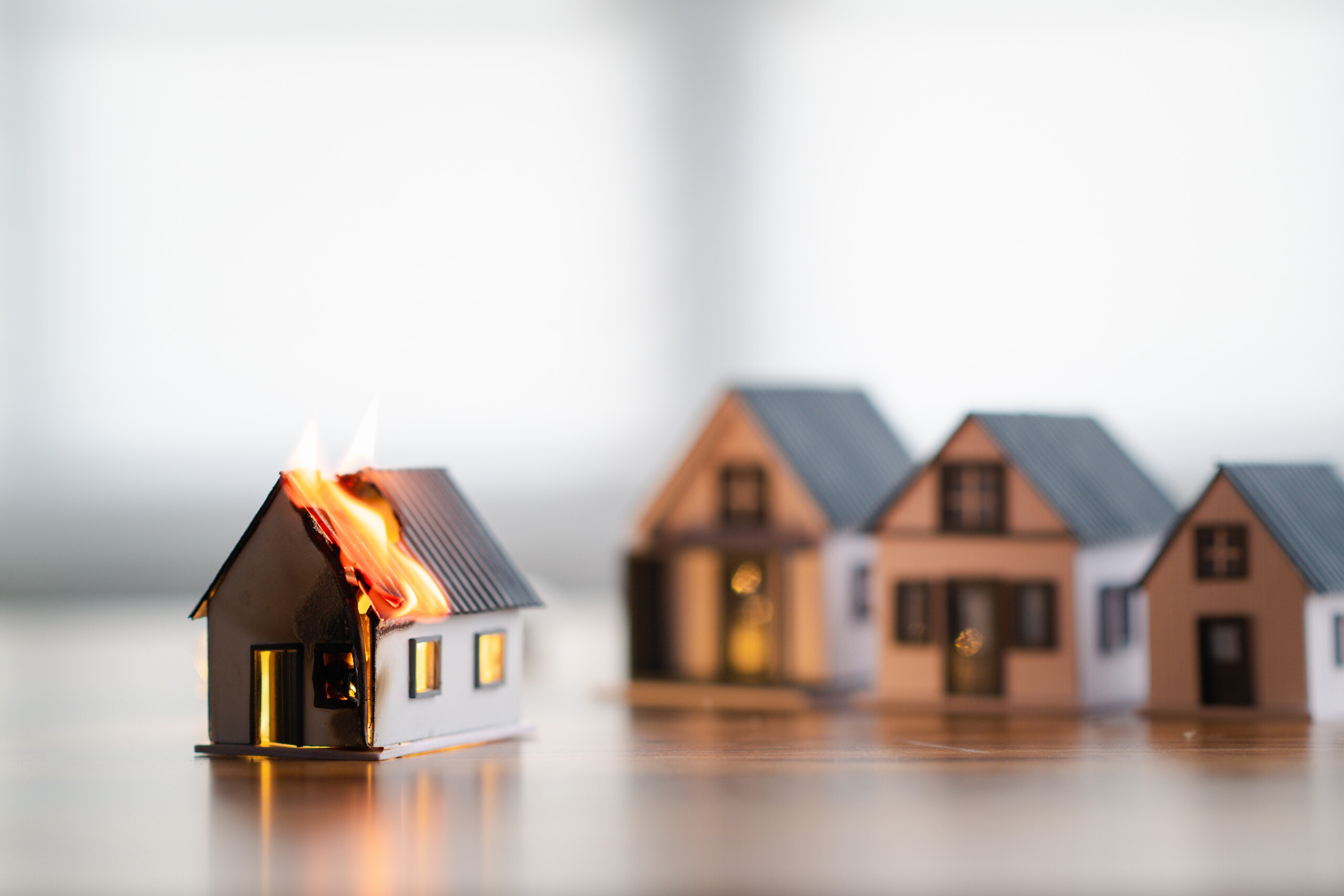
When an apartment fire breaks out, many tenants assume it was an unavoidable accident. In some cases, however, the cause traces back to preventable hazards a landlord failed to address.
Faulty wiring, unsafe appliances, missing smoke detectors, and ignored maintenance requests can all create dangerous fire conditions inside rental properties. When a landlord neglects these risks, the resulting fire may give injured tenants the right to pursue compensation under Florida law.
Burn injuries from apartment fires can lead to extensive medical treatment, lost income, and long-term physical and emotional trauma. Florida landlords are required to maintain rental properties in compliance with building and housing codes, and failing to meet those obligations can create legal liability when tenants are harmed.
If you were injured in an apartment fire in Fort Lauderdale or elsewhere in Broward County and suspect landlord negligence played a role, you may have grounds to pursue a personal injury claim. Understanding when a landlord may be legally responsible after an apartment fire is the first step toward protecting your rights and pursuing financial recovery.
Key Takeaways About Apartment Fire Lawsuits in Florida
- Florida landlords have a legal duty under § 83.51 to maintain rental properties in compliance with applicable building and housing codes, and a failure to do so may form the basis of a negligence claim.
- A fire caused by a known electrical hazard, a faulty landlord-supplied appliance, or missing smoke detection devices may reflect a breach of a landlord's duty to provide a safe and habitable residence.
- § 83.55 of the Florida Residential Landlord and Tenant Act gives tenants a right to pursue damages when a landlord fails to meet their legal obligations under the Act or the rental agreement.
- Florida's two-year statute of limitations under § 95.11 applies to most personal injury claims, including those arising from apartment fires — acting promptly helps preserve evidence and protect your legal options.
- Compensation in a landlord negligence fire claim may cover medical expenses, lost income, property losses, pain and suffering, and other documented harm.
What Does Florida Law Require of Landlords?
Florida's Residential Landlord and Tenant Act places clear obligations on property owners. Under Florida Statute § 83.51, landlords must at all times during a tenancy comply with applicable building, housing, and health codes. Where no such codes apply, landlords must maintain the structural components of the property in good repair.
For multi-family buildings like apartment complexes, this means compliance with local and state building codes, which may include electrical standards, fire safety requirements, and smoke detection systems. Florida law and local building codes require residential properties to have working smoke detection devices.
For apartment buildings, smoke detector requirements flow through applicable building and housing codes, which landlords must follow under § 83.51(1)(a).
When a Landlord's Failure Creates Fire Hazards
A landlord who receives written notice of a problem and fails to address it may face a much harder time arguing the condition was unknown or unforeseeable. Florida courts have long recognized that a landlord's awareness of a hazard and their failure to act on it can support a finding of negligence.
The types of landlord failures that most commonly come up in residential fire cases throughout Fort Lauderdale and Broward County include the following:
- Failing to repair or replace known faulty wiring, frayed electrical connections, or overloaded circuit panels that the landlord had been notified about
- Supplying tenants with appliances, such as stoves, dryers, or heating units, that the landlord knew were defective or had not been properly inspected
- Failing to maintain smoke detection systems in compliance with applicable building codes for multi-family dwellings, leaving tenants without adequate warning
- Allowing fire exits, sprinkler systems, or other fire safety equipment to fall into disrepair in violation of building or housing code requirements
- Ignoring tenant complaints about visible fire hazards, such as exposed wiring, gas odors, or malfunctioning electrical outlets
A landlord's duty to maintain a safe property does not disappear because a tenant moved in and daily life continued without incident. A known hazard that goes unaddressed is a legal exposure waiting to materialize.
How Landlord Negligence Becomes a Personal Injury Claim
In Florida personal injury law, proving negligence requires establishing four elements: the defendant owed the plaintiff a duty of care, they breached that duty, the breach caused the plaintiff's injury, and the plaintiff suffered actual harm. In an apartment fire case, all four elements may be present when a landlord's failure to maintain the property contributed to the fire.
The Florida Residential Landlord and Tenant Act reinforces this framework. Under § 83.55, when a landlord fails to comply with their obligations under the Act, the tenant may recover the damages caused by that noncompliance. A fire that injures a tenant because the landlord failed to meet code requirements or ignored a known electrical hazard may fall squarely within this framework.
What Role Does Evidence Play in a Landlord Fire Claim?
Building a landlord negligence claim after an apartment fire requires more than showing that a fire occurred. The connection between the landlord's conduct and the cause of the fire is what makes the claim viable.
Several types of evidence may help establish that connection. The following are among the most relevant forms of documentation in these cases:
- Fire investigation reports from the local fire marshal or municipal fire department, which may identify the origin and cause of the fire
- Prior written complaints or maintenance requests sent by the tenant to the landlord documenting a known hazard
- Inspection records, building code violation notices, or prior citations issued to the property
- Testimony from electrical engineers, fire investigators, or building code consultants retained to analyze the cause of the fire
- Photographs, lease agreements, and correspondence that document the condition of the property and what the landlord knew before the fire
Evidence in fire cases can deteriorate quickly. Scenes get cleaned up, systems get replaced, and documents become harder to locate over time. The sooner an attorney begins preserving evidence, the stronger the foundation for a claim.
What Compensation May Be Available in a Florida Apartment Fire Lawsuit?
Burn injuries are among the most painful and expensive injuries a person may sustain. Severe burns often require multiple surgeries, extended hospital stays, skin grafting procedures, and years of ongoing treatment. The financial and personal toll may extend well beyond the initial hospitalization.
If your landlord's negligence contributed to the fire that caused your injuries, Florida law may allow you to pursue two categories of damages: economic and non-economic. Together, they are intended to reflect the full cost of what you have endured.
Economic damages cover the documented financial losses tied to the fire and your injuries. In an apartment fire lawsuit in Florida, the following types of financial harm may form part of your claim:
- Past and future medical expenses, including emergency treatment, surgery, skin grafting, hospitalization, and long-term rehabilitative care
- Lost wages from time away from work during treatment and recovery, along with reduced earning capacity if your injuries affect your long-term ability to work
- The cost of personal property lost or destroyed in the fire, including furniture, electronics, clothing, and other belongings
- Relocation costs and temporary housing expenses if the fire made your unit uninhabitable
Non-economic damages address the harm that does not come with a receipt. Florida law allows injury victims to pursue compensation for physical pain and suffering, emotional distress, disfigurement, loss of enjoyment of life, and loss of consortium, which refers to the effect serious injuries may have on your relationship with a spouse or partner.
In burn injury cases, non-economic damages may represent a substantial portion of the total claim given the severity of pain and the lasting nature of many burn injuries.
Why Miller & Jacobs Handles Apartment Fire and Landlord Negligence Claims in Fort Lauderdale
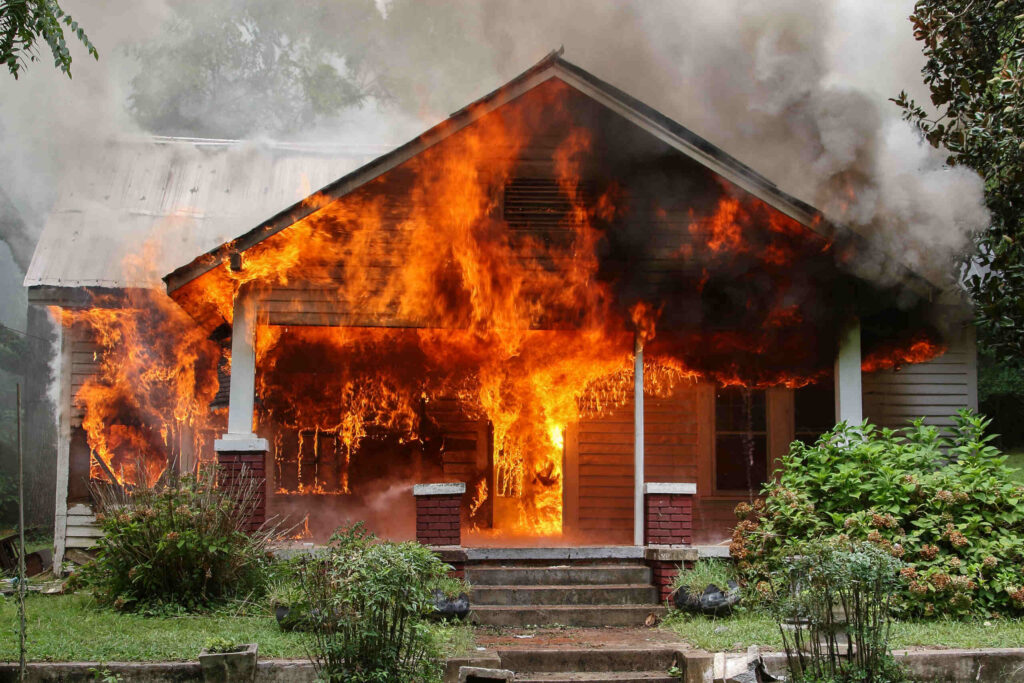
Apartment fire cases often involve multiple areas of law, including landlord-tenant obligations, building codes, fire investigation, and personal injury liability. Miller & Jacobs has decades of experience representing injury victims throughout Fort Lauderdale, Pompano Beach, and Broward County, bringing these elements together to build strong negligence claims.
Founding attorneys Mark J. Miller and Rick S. Jacobs previously worked as prosecutors and insurance defense lawyers. That background helps the firm anticipate how property owners and insurers defend fire claims and respond effectively when preventable fires are characterized as unavoidable accidents.
How the Firm Approaches a Landlord Fire Negligence Case
Miller & Jacobs invests its own resources into investigating apartment fire claims. Depending on the circumstances, the firm may work with fire investigators, electrical engineers, and building code experts to determine how a landlord’s failure contributed to the fire and resulting injuries. Clients pay no upfront costs.
Once retained, the attorneys handle communications with the landlord’s insurance company so clients can focus on recovery. Consultations are free, the firm can travel to clients who cannot come in, and attorney fees are only collected if compensation is recovered.
FAQs for Apartment Fire Lawsuits in Florida
May I sue my landlord if my apartment caught fire due to bad wiring?
Possibly. If you can show that the landlord knew about a faulty wiring problem, failed to address it, and that failure contributed to the fire, you may have grounds for a negligence claim. Florida Statute § 83.51 requires landlords to maintain their properties in compliance with applicable building and housing codes, and a violation of those codes that results in injury may support a personal injury lawsuit.
What if my landlord claims the fire was an accident?
A fire being described as an accident does not foreclose a negligence claim. The relevant legal question is whether the landlord met their duty of care to maintain the property safely. If a known hazard contributed to the fire, the landlord's characterization of the event as an accident may not relieve them of legal responsibility.
Does the lack of a working smoke detector affect my apartment fire claim in Florida?
Yes, it may. Smoke detector requirements in apartment buildings flow through applicable building and housing codes, which Florida landlords must comply with under § 83.51. If a landlord failed to maintain working smoke detectors as required by code, that failure may have contributed to the severity of your injuries and may strengthen your negligence claim.
How long do I have to file an apartment fire lawsuit in Florida?
Florida's statute of limitations for most personal injury claims is two years from the date of the injury under § 95.11. Missing that deadline may permanently bar your ability to recover compensation. Speaking with an attorney as soon as you are able to do so after your injuries helps protect your legal options.
What if my landlord says I caused the fire?
Florida follows a modified comparative fault system under § 768.81. If you share some responsibility for the fire, your compensation may be reduced by your percentage of fault. You may still recover damages as long as your share of fault does not exceed 50%. An attorney may work to counter any attempt to shift blame onto you without factual support.
Contact Miller & Jacobs About Your Apartment Fire Lawsuit in Florida

Landlords who cut corners on maintenance, ignore code violations, and dismiss tenant complaints about fire hazards do not get to walk away from the consequences without scrutiny. Florida law holds property owners accountable for the conditions they maintain, and when those conditions contribute to a fire that leaves tenants burned, injured, and displaced, a civil claim may be the path to meaningful financial recovery.
Miller & Jacobs represents personal injury victims throughout Fort Lauderdale, Broward County, Palm Beach County, and across South Florida. Consultations are free, the firm is available around the clock, and you pay no attorney fees unless the firm recovers compensation for you. Reach out today to have your case reviewed.