

Partner
Mark J. Miller
Mark's biography describes work in insurance defense and prosecution before his plaintiff-side practice. That background informs the firm's evaluation of liability disputes and insurance positions.
A walk back to the hotel can become an injury claim far from home.
Miller & Jacobs helps people injured while walking in Fort Lauderdale assess the driver's conduct, the crossing conditions, and available insurance. We can begin by phone if you are receiving care or have already returned home, and explain which records may help clarify the event.
You can call without a complete report or a vehicle policy of your own. Free consultation. No attorney fee unless compensation is recovered for you.
Reported Recoveries for Injured Clients
Combined Legal Experience
Combined Jury Trials Across Their Careers
Experienced Trial Attorneys
What was happening at the crossing?
A collision near a beach hotel, a Las Olas intersection, or a parking exit requires the actual movement details. A road name or marked crosswalk does not explain everything. We assess the traffic controls, direction of travel, and where the pedestrian and vehicle were as the event unfolded.
Record which signal you recall and when you entered, if known. Preserve photographs showing the crossing layout, but do not guess the signal timing from a later visit. Florida's pedestrian traffic rules include duties for both pedestrians and drivers.
Identify the vehicle's approach and whether it was turning from the road or leaving a driveway or garage. A driver may be looking toward approaching cars while crossing a pedestrian route. That possibility needs evidence in the actual case, rather than an assumption that every exit movement was negligent.
Describe parked vehicles, lighting, obstructions, and the route you used. A pedestrian may be accused of entering suddenly; we examine the facts supporting that claim. Keep witness details and any available recordings that can help show the sequence instead of reducing the dispute to two competing labels.
When care took you away from the scene
An injured pedestrian may be transported before getting a driver's details or observing the whole scene. Start with what you remember and what others lawfully collected. The absence of one photograph does not answer whether useful evidence remains, but timely preservation can matter.
Keep the crash number, responding agency, and information provided at the hospital. If you do not have a reference, the date, approximate time, and exact crossing may help locate the appropriate record. A report may not contain every witness or every detail of the movement.
Save names and contact information for companions, bystanders, or employees who observed it. Identify what each person actually saw. A friend who helped afterward may describe your condition without having witnessed the impact; that distinction helps keep the record clear.
Hotels, shops, vehicles, or personal devices may have relevant material. We assess specific preservation requests using the time and direction of travel. Seeing a security camera is not proof that it recorded the crossing, and preserving a recording is separate from obtaining permission to view it.
Beyond the moment of impact
You went out on foot. Now getting to the next appointment takes planning.
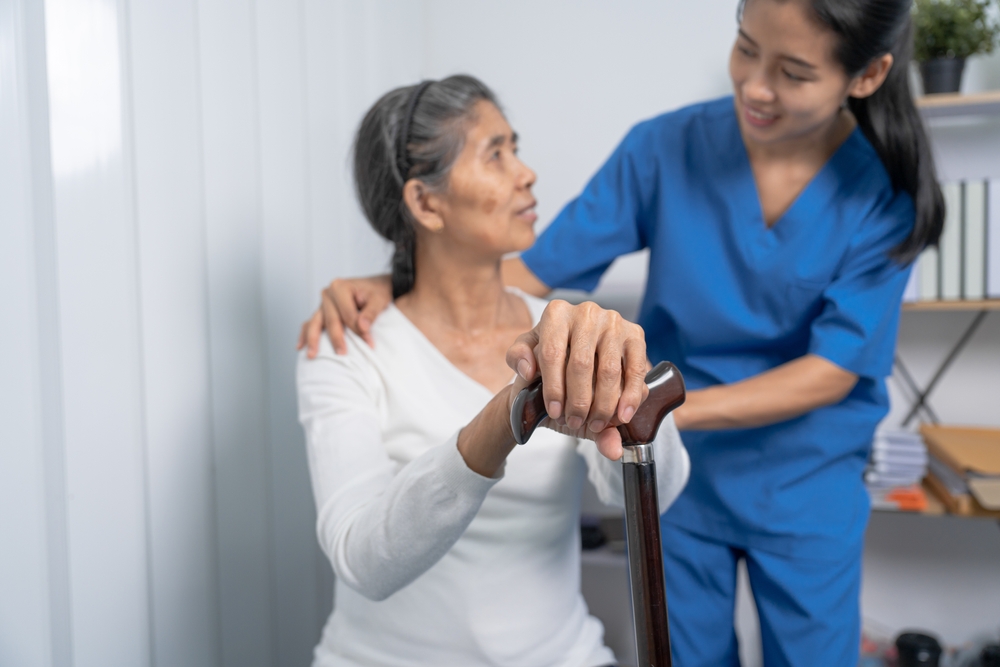
A walking injury can change how you manage stairs, travel, work, and everyday errands. Tell us the concrete difficulties and the help you needed. We can use those details to understand the claim while you follow your provider's guidance about recovery.
Insurance when you were on foot
Potential PIP benefits may depend on your own qualifying auto coverage, household coverage, or the striking vehicle's policy, along with statutory eligibility. Residency, vehicle ownership, and other facts matter. We identify the proper potential payer instead of promising the same benefits to every person walking in Florida.
Tell us where you live and what auto coverage you or household relatives had on the incident date. Florida's PIP statute contains eligibility and priority rules. A visitor should not assume the driver's PIP pays simply because the crash happened in Florida.
For potentially applicable PIP medical benefits, qualifying initial care generally must occur within 14 days. Benefit limits and other conditions still apply. Necessary care should be guided by a provider; missing that benefit deadline does not automatically determine every possible liability claim.
The driver's liability coverage and any applicable uninsured-motorist or health coverage need separate review. A benefit that helps with an immediate bill is different from a full injury resolution. We assess policy terms, supported losses, and possible repayment rights before discussing a settlement.
A free consultation
Call with the crossing location, incident date, and the insurance question in front of you. We can begin the review by phone and explain what comes next.
Follow-up after a visit
Tell us if a Fort Lauderdale visit ended with treatment at home or a changed itinerary. We can organize the injury timeline and investigate local evidence while discussing the claim by phone. The practical effect of the injury should be documented, including the changes after the first medical visit.
Retain discharge instructions, referrals, and follow-up records. Explain symptoms that persist or develop later to treating providers. Tell us about prior conditions and any gap in care so the record reflects the real circumstances rather than a polished but incomplete story.
Save changed reservations, necessary transport, and assistance expenses, with the reason each arose. These records may help assess supported losses. A canceled vacation activity does not automatically set a claim value, and a visitor's expenses still need legal and factual support.
Document missed income, leave used, restrictions, and the tasks you cannot perform. Future losses or lasting effects need appropriate evidence. We review the care outlook before you sign an injury release that may end claims related to later consequences.
The Fort Lauderdale injury guide explains the firm's broader local services and the claim process for residents and visitors.
A fair review of responsibility
Traffic controls, crossing location, driver attention, and pedestrian movement can affect responsibility. We assess both accounts and the available proof. A traffic citation or an insurer's first fault decision is a piece of the record, not a complete resolution of the civil injury claim.
Drivers and pedestrians have duties that depend in part on the crossing and controls. Pedestrians must also obey applicable signals and cannot suddenly enter when a driver cannot yield. We explain how the rules fit the observed sequence rather than promising automatic priority in every situation.
Applicable Florida comparative-fault rules may reduce or bar recovery, including a potential bar above 50% fault. Some auto-related claims also require review of statutory thresholds for particular damages. We check their applicability rather than assuming every pedestrian claim is governed identically.
Many negligence suits must be filed within two years under section 95.11, with exceptions and claim-specific questions. Policy notices or public-entity issues may require earlier attention. Waiting for all treatment to end can leave important steps unaddressed.
Miller & Jacobs
Partners Mark J. Miller and Rick S. Jacobs serve Fort Lauderdale pedestrian clients from the firm's Pompano Beach office. Their biographies describe the professional experience behind the firm's approach to disputed accident facts and supported injury claims.
Partner
Mark's biography describes work in insurance defense and prosecution before his plaintiff-side practice. That background informs the firm's evaluation of liability disputes and insurance positions.

Partner
Rick's biography describes his service as an Assistant State Attorney in Miami-Dade County and his trial work. Read the published background for details of his professional experience.
Our South Florida office is at 1600 S Federal Highway, Suite 1101, Pompano Beach, FL 33062. Call 954-465-8733 before visiting.
Decisions and practical questions
A claim may still be reviewed. Get appropriate medical advice and explain the event and symptom timeline accurately. Save the initial and later records so any connection between the crash and claimed injury can be assessed.
No automatic result follows from that fact alone. The signals, location, movement, and applicable duties still matter. We assess the whole sequence, including any allegation about when you entered the roadway.
Do not assume it will. Residency, your own coverage, household policies, and statutory eligibility affect the answer. We review potential PIP, liability, and other coverage separately.
Yes. They may have useful firsthand observations about the aftermath, your condition, or statements made at the scene. We distinguish those observations from testimony about a collision they did not witness.
The driver's movement, pedestrian route, visibility, and property context need review. It may raise different evidence questions, but it is still possible to assess negligent driving and any other supported claim.
We can begin by phone. The firm's South Florida office is in Pompano Beach. We will discuss any later document or attendance needs as the matter develops.
Related guidance